
Painting Johan Georg 1638-1655 Prince of Holstein-Gottorp - Jürgen Ovens | Art print


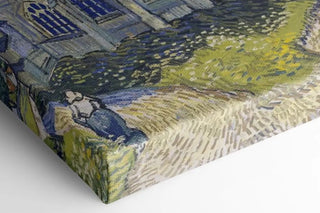
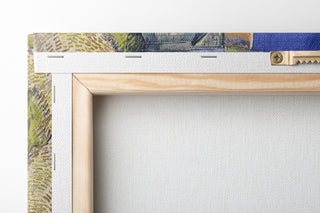
View from behind
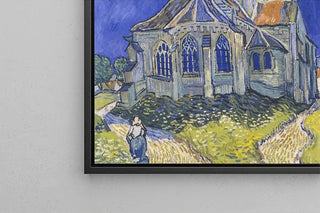
Frame (optional)
Johan Georg 1638-1655 Prince of Holstein-Gottorp - Jürgen Ovens – Captivating Introduction
In the fascinating world of baroque art, the "Johan Georg 1638-1655 Prince of Holstein-Gottorp - Jürgen Ovens" artwork stands out for its narrative richness and refined aesthetic. This portrait, which captures the essence of a prince at the heart of a tumultuous era, transports us to the aristocratic salons of the 17th century. The depiction of Johan Georg, both majestic and intimate, invites us to explore not only the social status of its subject but also the subtleties of political and cultural relations of the time. Through this painting, the artist manages to immortalize a historical figure while evoking the emotions and aspirations of a nobility seeking power and recognition.
Style and uniqueness of the work
The style of this piece is emblematic of Northern European baroque, characterized by meticulous attention to detail and skillful use of light. Jürgen Ovens, as a master of portrait painting, succeeds in creating an atmosphere that is both solemn and lively. The sumptuous drapery of the prince’s clothing, rendered with meticulous precision, evokes luxury and the richness of his rank. The colors, though subdued, are enhanced by touches of light that bring the prince’s face to life, revealing a psychological depth that transcends the simple portrait. Every element, from the nuanced background to the carefully chosen accessories, contributes to a harmonious composition where the subject stands out brilliantly. This artwork does not merely depict a man; it tells a story, that of heritage and identity.
The artist and his influence
Jürgen Ovens, born in Denmark and mainly active in Germany, is often recognized for his ability to fuse Dutch and German influences in his work. His training under great masters of his time allowed him to develop a distinctive style that combines realism and idealization. Ovens captured the spirit of his era, where portraiture was not only a means of immortalizing a personality but also a tool of political propaganda. The influence of his work extends beyond his own production, inspiring many contemporary and future artists.
Painting Johan Georg 1638-1655 Prince of Holstein-Gottorp - Jürgen Ovens | Art print

-10% FROM €95 IN PURCHASES
-15% FROM €195 IN PURCHASES
Regular price
- Unit price
- per
Tax included.
Free shipping
€4.90 / Free shipping on orders over €39
Satisfied or Money Back
Free returns within 30 days
10-year warranty
Our prints are guaranteed for 10 years
Any questions? We are here!
by email to contact@artemlegrand.com
THE STEPS OF YOUR ORDER

STEP 1 - ORDER PLACED
Your order has been confirmed and we are starting production
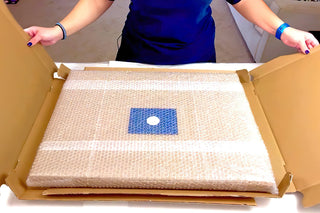
STEP 2 - SHIPPING
We ship your order. We send you an email to track the progress

STEP 3 - DELIVERY
You receive your order. You can also, according to your choice, be delivered to a relay point.
Matte finish
View from behind
Frame (optional)
Johan Georg 1638-1655 Prince of Holstein-Gottorp - Jürgen Ovens – Captivating Introduction
In the fascinating world of baroque art, the "Johan Georg 1638-1655 Prince of Holstein-Gottorp - Jürgen Ovens" artwork stands out for its narrative richness and refined aesthetic. This portrait, which captures the essence of a prince at the heart of a tumultuous era, transports us to the aristocratic salons of the 17th century. The depiction of Johan Georg, both majestic and intimate, invites us to explore not only the social status of its subject but also the subtleties of political and cultural relations of the time. Through this painting, the artist manages to immortalize a historical figure while evoking the emotions and aspirations of a nobility seeking power and recognition.
Style and uniqueness of the work
The style of this piece is emblematic of Northern European baroque, characterized by meticulous attention to detail and skillful use of light. Jürgen Ovens, as a master of portrait painting, succeeds in creating an atmosphere that is both solemn and lively. The sumptuous drapery of the prince’s clothing, rendered with meticulous precision, evokes luxury and the richness of his rank. The colors, though subdued, are enhanced by touches of light that bring the prince’s face to life, revealing a psychological depth that transcends the simple portrait. Every element, from the nuanced background to the carefully chosen accessories, contributes to a harmonious composition where the subject stands out brilliantly. This artwork does not merely depict a man; it tells a story, that of heritage and identity.
The artist and his influence
Jürgen Ovens, born in Denmark and mainly active in Germany, is often recognized for his ability to fuse Dutch and German influences in his work. His training under great masters of his time allowed him to develop a distinctive style that combines realism and idealization. Ovens captured the spirit of his era, where portraiture was not only a means of immortalizing a personality but also a tool of political propaganda. The influence of his work extends beyond his own production, inspiring many contemporary and future artists.
12,34 €