
Painting J. C. de Brunet, Russian consul general in Amsterdam - Jan Adam Kruseman


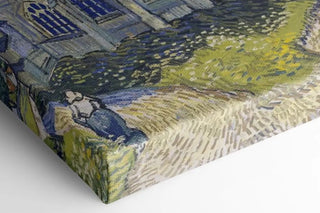
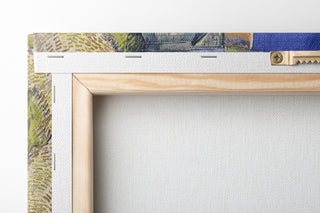
View from behind
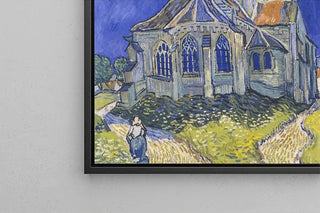
Frame (optional)
At the heart of 19th-century diplomatic exchanges, the artwork "J. C. de Brunet consul général de Russie à Amsterdam" by Jan Adam Kruseman stands as a poignant testament to the elegance and issues of the era. This painting, both portrait and history tableau, captures not only the depicted individual but also the essence of a period marked by political and cultural upheavals. Through the penetrating gaze of J. C. de Brunet, Kruseman invites us to explore the subtleties of diplomacy while celebrating the art of portraiture. The composition, rich in detail and emotion, transports the viewer into a universe where power and culture intertwine.
Style and uniqueness of the work
The uniqueness of this piece lies in Kruseman's technical mastery, which manages to combine realism and idealization. The treatment of colors, especially the shades of blue and gold, evokes an atmosphere of prestige and seriousness. The textures of the clothing, rendered with remarkable precision, testify to an exceptional craftsmanship. Every fold of fabric, every reflection of light on the consul's skin, is carefully studied to create an illusion of life. Moreover, the posture of J. C. de Brunet, both confident and approachable, reflects a complex personality—both a man of power and a wise diplomat. Kruseman thus succeeds in transcending the simple portrait to offer a reflection on identity and the role of men in history.
The artist and his influence
Jan Adam Kruseman, an emblematic figure of Dutch neoclassicism, established himself as a leading artist in the 19th century. Trained in the ateliers of great masters, he developed a style that combines academic rigor with personal sensitivity. His work is marked by meticulous attention to detail and a desire to represent humans in all their complexity. Kruseman's influence extends beyond his artistic production; he also played a key role in training young artists, sharing his knowledge and expertise. As a portraitist, he was able to capture the spirit of his time, making
Painting J. C. de Brunet, Russian consul general in Amsterdam - Jan Adam Kruseman

-10% FROM €95 IN PURCHASES
-15% FROM €195 IN PURCHASES
Regular price
- Unit price
- per
Tax included.
Free shipping
€4.90 / Free shipping on orders over €39
Satisfied or Money Back
Free returns within 30 days
10-year warranty
Our prints are guaranteed for 10 years
Any questions? We are here!
by email to contact@artemlegrand.com
THE STEPS OF YOUR ORDER

STEP 1 - ORDER PLACED
Your order has been confirmed and we are starting production
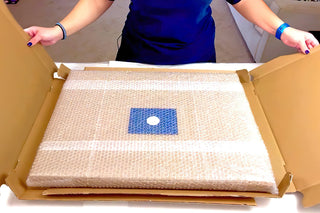
STEP 2 - SHIPPING
We ship your order. We send you an email to track the progress

STEP 3 - DELIVERY
You receive your order. You can also, according to your choice, be delivered to a relay point.
Matte finish
View from behind
Frame (optional)
At the heart of 19th-century diplomatic exchanges, the artwork "J. C. de Brunet consul général de Russie à Amsterdam" by Jan Adam Kruseman stands as a poignant testament to the elegance and issues of the era. This painting, both portrait and history tableau, captures not only the depicted individual but also the essence of a period marked by political and cultural upheavals. Through the penetrating gaze of J. C. de Brunet, Kruseman invites us to explore the subtleties of diplomacy while celebrating the art of portraiture. The composition, rich in detail and emotion, transports the viewer into a universe where power and culture intertwine.
Style and uniqueness of the work
The uniqueness of this piece lies in Kruseman's technical mastery, which manages to combine realism and idealization. The treatment of colors, especially the shades of blue and gold, evokes an atmosphere of prestige and seriousness. The textures of the clothing, rendered with remarkable precision, testify to an exceptional craftsmanship. Every fold of fabric, every reflection of light on the consul's skin, is carefully studied to create an illusion of life. Moreover, the posture of J. C. de Brunet, both confident and approachable, reflects a complex personality—both a man of power and a wise diplomat. Kruseman thus succeeds in transcending the simple portrait to offer a reflection on identity and the role of men in history.
The artist and his influence
Jan Adam Kruseman, an emblematic figure of Dutch neoclassicism, established himself as a leading artist in the 19th century. Trained in the ateliers of great masters, he developed a style that combines academic rigor with personal sensitivity. His work is marked by meticulous attention to detail and a desire to represent humans in all their complexity. Kruseman's influence extends beyond his artistic production; he also played a key role in training young artists, sharing his knowledge and expertise. As a portraitist, he was able to capture the spirit of his time, making
12,34 €