
Interior of the church - Johannes Bosboom | Art print


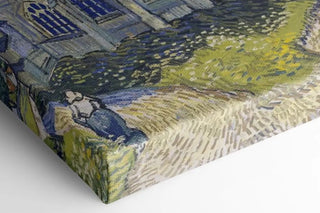
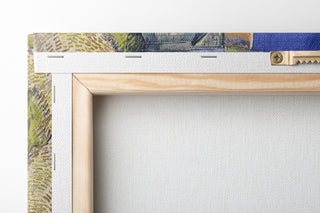
View from behind
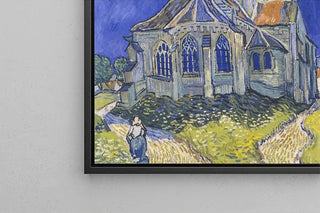
Frame (optional)
Johannes Bosboom's "Interior of the church" is an invitation to immerse oneself in the serene and contemplative atmosphere of sacred 19th-century spaces. Through this depiction, the artist manages to capture not only the majestic architecture of Dutch churches but also the very essence of the spirituality that prevails there. The play of light, delicate shadows, and meticulous details of the architectural elements transport the viewer on a sensory journey, where each glance reveals a new facet of this sanctuary. The art print of this work allows appreciation of Bosboom's artistic vision depth, while offering a window into a world where faith and art intertwine harmoniously.
Style and uniqueness of the work
Johannes Bosboom's style is distinguished by poetic realism, characterized by meticulous attention to detail and exceptional mastery of light. In "Interior of the church," he uses subtle nuances to evoke the depth of the vaults and the warmth of the materials, creating an atmosphere that is both intimate and solemn. The architectural lines are carefully rendered, each column and arch telling its own story. The composition of the piece is also remarkable, with a perspective that guides the viewer's gaze toward the altar, a symbol of divinity and reflection. Bosboom succeeds in balancing the rigor of architecture with the fluidity of light, transforming the space into a place of peace and contemplation.
The artist and his influence
Johannes Bosboom, born in The Hague in 1817, is an emblematic representative of the Dutch school of the 19th century. His artistic journey is marked by a fascination with religious architecture and a desire to pay tribute to the beauty of sacred edifices. Trained by masters of the time, he develops a personal style that combines tradition and innovation. Bosboom's influence is felt not only in his works but also in how he inspired other artists to explore themes of spirituality and architecture. His unique approach to interior landscape opened the way to a new understanding of sacred space, highlighting the importance
Interior of the church - Johannes Bosboom | Art print

-10% FROM €95 IN PURCHASES
-15% FROM €195 IN PURCHASES
Regular price
- Unit price
- per
Tax included.
Free shipping
€4.90 / Free shipping on orders over €39
Satisfied or Money Back
Free returns within 30 days
10-year warranty
Our prints are guaranteed for 10 years
Any questions? We are here!
by email to contact@artemlegrand.com
THE STEPS OF YOUR ORDER

STEP 1 - ORDER PLACED
Your order has been confirmed and we are starting production
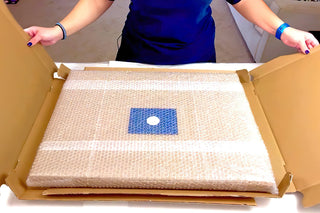
STEP 2 - SHIPPING
We ship your order. We send you an email to track the progress

STEP 3 - DELIVERY
You receive your order. You can also, according to your choice, be delivered to a relay point.
Matte finish
View from behind
Frame (optional)
Johannes Bosboom's "Interior of the church" is an invitation to immerse oneself in the serene and contemplative atmosphere of sacred 19th-century spaces. Through this depiction, the artist manages to capture not only the majestic architecture of Dutch churches but also the very essence of the spirituality that prevails there. The play of light, delicate shadows, and meticulous details of the architectural elements transport the viewer on a sensory journey, where each glance reveals a new facet of this sanctuary. The art print of this work allows appreciation of Bosboom's artistic vision depth, while offering a window into a world where faith and art intertwine harmoniously.
Style and uniqueness of the work
Johannes Bosboom's style is distinguished by poetic realism, characterized by meticulous attention to detail and exceptional mastery of light. In "Interior of the church," he uses subtle nuances to evoke the depth of the vaults and the warmth of the materials, creating an atmosphere that is both intimate and solemn. The architectural lines are carefully rendered, each column and arch telling its own story. The composition of the piece is also remarkable, with a perspective that guides the viewer's gaze toward the altar, a symbol of divinity and reflection. Bosboom succeeds in balancing the rigor of architecture with the fluidity of light, transforming the space into a place of peace and contemplation.
The artist and his influence
Johannes Bosboom, born in The Hague in 1817, is an emblematic representative of the Dutch school of the 19th century. His artistic journey is marked by a fascination with religious architecture and a desire to pay tribute to the beauty of sacred edifices. Trained by masters of the time, he develops a personal style that combines tradition and innovation. Bosboom's influence is felt not only in his works but also in how he inspired other artists to explore themes of spirituality and architecture. His unique approach to interior landscape opened the way to a new understanding of sacred space, highlighting the importance
12,34 €