
Interior of the Pantheon in Paris - Frederick Nash | Art print


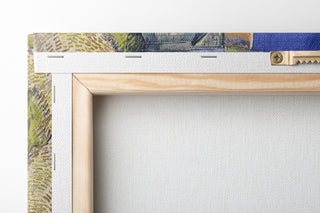
View from behind
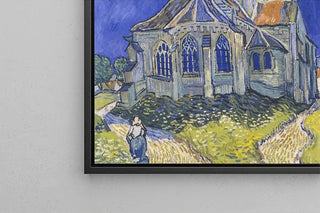
Frame (optional)
In the rich and varied panorama of art history, some works manage to capture the essence of a place, revealing its mysteries and buried emotions. "Interior of the Panthéon in Paris" by Frederick Nash is one of those creations that transcend the simple frame to offer a complete immersion into the majestic atmosphere of this iconic monument. Through his brushstrokes, Nash transports us to the very heart of this temple of great men, where architecture and light intertwine to create a striking visual harmony. The art print of this piece invites the viewer to contemplate not only the beauty of the edifice but also the soul of the city that surrounds it.
Style and uniqueness of the work
Nash's work stands out for its realistic and detailed approach, where each architectural element is rendered with remarkable precision. The play of light filtering through the large windows of the Panthéon creates an atmosphere that is both serene and solemn. Shadows dance on the walls, while the details of frescoes and sculptures come to life under the artist's attentive gaze. The color palette chosen by Nash, subtle and nuanced, evokes emotional depth, allowing the viewer to feel the grandeur and majesty of the place. This representation is not limited to a simple visual record; it becomes a true celebration of architecture and history, an invitation to explore the stories of the illustrious figures resting beneath this dome.
The artist and his influence
Frederick Nash, British painter of the early 19th century, knew how to mark his era with his exceptional talent and unique vision. Raised in an artistic environment, he developed a strong taste for urban landscapes and historic monuments. His work is often associated with a quest for truth and authenticity, seeking to capture not only the appearance of places but also their essence. Nash had a significant influence on his contemporaries, inspiring a generation of artists to explore themes of architecture and public space. His attentive and contemplative approach paved the way for new ways of seeing and interpreting the world.
Interior of the Pantheon in Paris - Frederick Nash | Art print

-10% FROM €95 IN PURCHASES
-15% FROM €195 IN PURCHASES
Regular price
- Unit price
- per
Tax included.
Free shipping
€4.90 / Free shipping on orders over €39
Satisfied or Money Back
Free returns within 30 days
10-year warranty
Our prints are guaranteed for 10 years
Any questions? We are here!
by email to contact@artemlegrand.com
THE STEPS OF YOUR ORDER

STEP 1 - ORDER PLACED
Your order has been confirmed and we are starting production
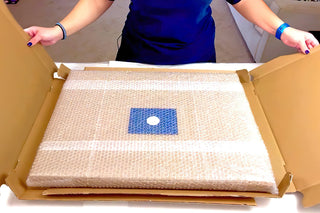
STEP 2 - SHIPPING
We ship your order. We send you an email to track the progress

STEP 3 - DELIVERY
You receive your order. You can also, according to your choice, be delivered to a relay point.
Matte finish
View from behind
Frame (optional)
In the rich and varied panorama of art history, some works manage to capture the essence of a place, revealing its mysteries and buried emotions. "Interior of the Panthéon in Paris" by Frederick Nash is one of those creations that transcend the simple frame to offer a complete immersion into the majestic atmosphere of this iconic monument. Through his brushstrokes, Nash transports us to the very heart of this temple of great men, where architecture and light intertwine to create a striking visual harmony. The art print of this piece invites the viewer to contemplate not only the beauty of the edifice but also the soul of the city that surrounds it.
Style and uniqueness of the work
Nash's work stands out for its realistic and detailed approach, where each architectural element is rendered with remarkable precision. The play of light filtering through the large windows of the Panthéon creates an atmosphere that is both serene and solemn. Shadows dance on the walls, while the details of frescoes and sculptures come to life under the artist's attentive gaze. The color palette chosen by Nash, subtle and nuanced, evokes emotional depth, allowing the viewer to feel the grandeur and majesty of the place. This representation is not limited to a simple visual record; it becomes a true celebration of architecture and history, an invitation to explore the stories of the illustrious figures resting beneath this dome.
The artist and his influence
Frederick Nash, British painter of the early 19th century, knew how to mark his era with his exceptional talent and unique vision. Raised in an artistic environment, he developed a strong taste for urban landscapes and historic monuments. His work is often associated with a quest for truth and authenticity, seeking to capture not only the appearance of places but also their essence. Nash had a significant influence on his contemporaries, inspiring a generation of artists to explore themes of architecture and public space. His attentive and contemplative approach paved the way for new ways of seeing and interpreting the world.
12,34 €