
Art print Insectes Lépidoptères Rhopalocères Pl 078 - Frederick DuCane Godman


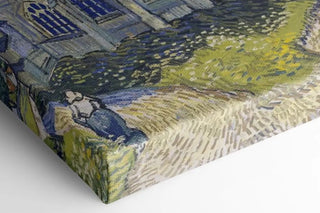
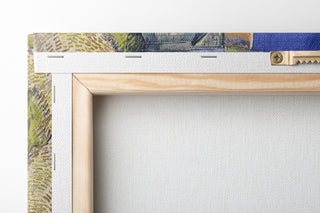
View from behind
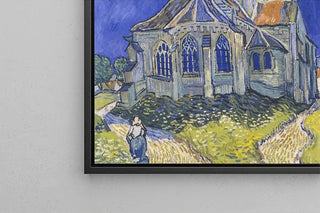
Frame (optional)
In the vast panorama of art history, certain works stand out for their ability to capture the essence of nature with unparalleled precision and beauty. The art print Insectes Lépidoptères Rhopalocères Pl 078 by Frederick DuCane Godman is a perfect example. This piece, which belongs to the naturalist illustration movement of the 19th century, immerses us in a world of vibrant colors and meticulous details. Godman, as an entomologist and artist, masterfully combines science and aesthetics, offering viewers a fascinating glimpse into the diversity of butterflies. Beyond its documentary function, this work evokes a visual poetry that transcends mere specimen recording.
Style and uniqueness of the work
Godman's work is characterized by a meticulous approach and a keen sense of detail. Each butterfly is rendered with surgical precision, highlighting the subtle nuances of their wings, from delicate patterns to vibrant hues. This attention to scientific accuracy reflects an era when art and science were closely intertwined. The choice of colors, ranging from soft pastels to more vivid shades, gives the overall composition a captivating visual harmony. The arrangements are carefully designed, allowing each insect to stand out while fitting into a coherent whole. This piece is not just a representation; it is a celebration of biodiversity and an invitation to contemplation.
The artist and his influence
Frederick DuCane Godman, born in 1834, is an iconic figure in naturalist illustration. His unconventional career, oscillating between science and art, grants him a unique legitimacy in the field. By collaborating with other naturalists of his time, Godman contributed to enriching our understanding of lepidoptera, while leaving an indelible mark in the art world. His work has influenced many artists and scientists, demonstrating the importance of interdisciplinarity. Through his illustrations, he not only documented fauna but also sparked lasting interest.
Art print Insectes Lépidoptères Rhopalocères Pl 078 - Frederick DuCane Godman

-10% FROM €95 IN PURCHASES
-15% FROM €195 IN PURCHASES
Regular price
- Unit price
- per
Tax included.
Free shipping
€4.90 / Free shipping on orders over €39
Satisfied or Money Back
Free returns within 30 days
10-year warranty
Our prints are guaranteed for 10 years
Any questions? We are here!
by email to contact@artemlegrand.com
THE STEPS OF YOUR ORDER

STEP 1 - ORDER PLACED
Your order has been confirmed and we are starting production
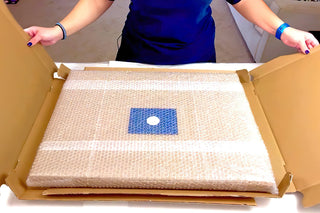
STEP 2 - SHIPPING
We ship your order. We send you an email to track the progress

STEP 3 - DELIVERY
You receive your order. You can also, according to your choice, be delivered to a relay point.
Matte finish
View from behind
Frame (optional)
In the vast panorama of art history, certain works stand out for their ability to capture the essence of nature with unparalleled precision and beauty. The art print Insectes Lépidoptères Rhopalocères Pl 078 by Frederick DuCane Godman is a perfect example. This piece, which belongs to the naturalist illustration movement of the 19th century, immerses us in a world of vibrant colors and meticulous details. Godman, as an entomologist and artist, masterfully combines science and aesthetics, offering viewers a fascinating glimpse into the diversity of butterflies. Beyond its documentary function, this work evokes a visual poetry that transcends mere specimen recording.
Style and uniqueness of the work
Godman's work is characterized by a meticulous approach and a keen sense of detail. Each butterfly is rendered with surgical precision, highlighting the subtle nuances of their wings, from delicate patterns to vibrant hues. This attention to scientific accuracy reflects an era when art and science were closely intertwined. The choice of colors, ranging from soft pastels to more vivid shades, gives the overall composition a captivating visual harmony. The arrangements are carefully designed, allowing each insect to stand out while fitting into a coherent whole. This piece is not just a representation; it is a celebration of biodiversity and an invitation to contemplation.
The artist and his influence
Frederick DuCane Godman, born in 1834, is an iconic figure in naturalist illustration. His unconventional career, oscillating between science and art, grants him a unique legitimacy in the field. By collaborating with other naturalists of his time, Godman contributed to enriching our understanding of lepidoptera, while leaving an indelible mark in the art world. His work has influenced many artists and scientists, demonstrating the importance of interdisciplinarity. Through his illustrations, he not only documented fauna but also sparked lasting interest.
12,34 €