
Painting Insects Lepidoptera Rhopalocera Pl 041 - Frederick DuCane Godman


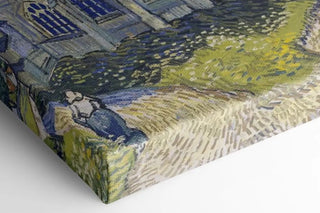
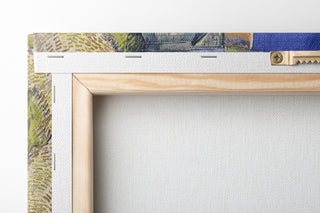
View from behind
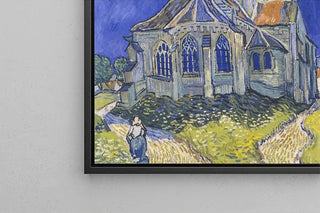
Frame (optional)
Reproduction Insectes Lépidoptères Rhopalocères Pl 041 - Frederick DuCane Godman – Introduction captivante
The artwork "Insectes Lépidoptères Rhopalocères Pl 041" by Frederick DuCane Godman is a true invitation to immerse oneself in the fascinating world of butterflies. This painting, delicately crafted, reveals a meticulousness and precision that testify to the artist's admiration for nature. Godman, a 19th-century naturalist and illustrator, captured the very essence of these ephemeral creatures, transforming a simple insect into a work of art. The art print of this piece allows appreciation of the beauty in the details, colors, and textures, while paying homage to the harmony of biodiversity.
Style and uniqueness of the work
Godman's work stands out for its scientific and artistic approach. The depiction of lepidopterans is both precise and aesthetic, combining realism with a certain visual poetry. Each butterfly is carefully staged, highlighting not only its shape but also its chromatic brilliance. The delicate nuances of the wings, often adorned with complex patterns, are rendered with such finesse that one can almost feel the lightness of these insects. Godman does not merely illustrate; he tells a story, that of metamorphosis and the fleeting beauty of nature. This artwork is a testament to an era when art and science intersected, where the study of living species was also a source of inspiration for artists.
The artist and his influence
Frederick DuCane Godman, born in 1834, was much more than a simple artist. He was a pioneer in the field of entomology, and his work on lepidopterans marked his time. His passion for nature led him to travel around the world, collecting specimens and documenting his observations. Godman collaborated with other scientists, contributing to publications that enriched our understanding of butterflies. His unique style, blending scientific rigor with artistic sensitivity, influenced many artists and naturalists. Through his works, he awakened awareness of the beauty and fragility of ecosystems, leaving
Painting Insects Lepidoptera Rhopalocera Pl 041 - Frederick DuCane Godman

-10% FROM €95 IN PURCHASES
-15% FROM €195 IN PURCHASES
Regular price
- Unit price
- per
Tax included.
Free shipping
€4.90 / Free shipping on orders over €39
Satisfied or Money Back
Free returns within 30 days
10-year warranty
Our prints are guaranteed for 10 years
Any questions? We are here!
by email to contact@artemlegrand.com
THE STEPS OF YOUR ORDER

STEP 1 - ORDER PLACED
Your order has been confirmed and we are starting production
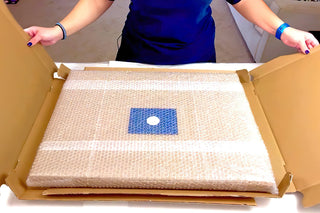
STEP 2 - SHIPPING
We ship your order. We send you an email to track the progress

STEP 3 - DELIVERY
You receive your order. You can also, according to your choice, be delivered to a relay point.
Matte finish
View from behind
Frame (optional)
Reproduction Insectes Lépidoptères Rhopalocères Pl 041 - Frederick DuCane Godman – Introduction captivante
The artwork "Insectes Lépidoptères Rhopalocères Pl 041" by Frederick DuCane Godman is a true invitation to immerse oneself in the fascinating world of butterflies. This painting, delicately crafted, reveals a meticulousness and precision that testify to the artist's admiration for nature. Godman, a 19th-century naturalist and illustrator, captured the very essence of these ephemeral creatures, transforming a simple insect into a work of art. The art print of this piece allows appreciation of the beauty in the details, colors, and textures, while paying homage to the harmony of biodiversity.
Style and uniqueness of the work
Godman's work stands out for its scientific and artistic approach. The depiction of lepidopterans is both precise and aesthetic, combining realism with a certain visual poetry. Each butterfly is carefully staged, highlighting not only its shape but also its chromatic brilliance. The delicate nuances of the wings, often adorned with complex patterns, are rendered with such finesse that one can almost feel the lightness of these insects. Godman does not merely illustrate; he tells a story, that of metamorphosis and the fleeting beauty of nature. This artwork is a testament to an era when art and science intersected, where the study of living species was also a source of inspiration for artists.
The artist and his influence
Frederick DuCane Godman, born in 1834, was much more than a simple artist. He was a pioneer in the field of entomology, and his work on lepidopterans marked his time. His passion for nature led him to travel around the world, collecting specimens and documenting his observations. Godman collaborated with other scientists, contributing to publications that enriched our understanding of butterflies. His unique style, blending scientific rigor with artistic sensitivity, influenced many artists and naturalists. Through his works, he awakened awareness of the beauty and fragility of ecosystems, leaving
12,34 €