
Art print Insectes Coléoptères Pl 064 - Frederick Du Cane Godman


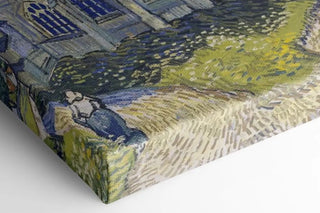
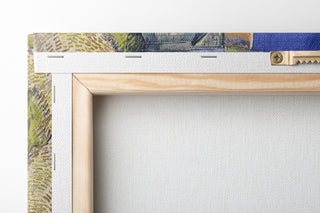
View from behind
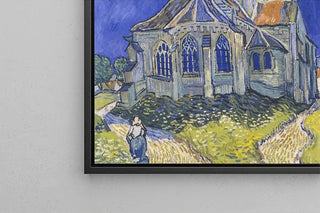
Frame (optional)
Insect Beetles Art print Pl 064 - Frederick Du Cane Godman – Captivating introduction
In the fascinating world of entomology, the artwork "Insect Beetles Art print Pl 064" by Frederick Du Cane Godman stands out for its beauty and attention to detail. This illustration, which captures the very essence of these fascinating creatures, transports the viewer into a universe where nature reveals itself in all its splendor. By highlighting the diversity and complexity of beetles, Godman invites us to appreciate the richness of biodiversity, while offering a window into the scientific knowledge of his time. The art print of this work is a tribute to the art of observation and the passion for the natural world.
Style and uniqueness of the work
Godman's work is characterized by a meticulous style and a scientific approach that transcends simple illustration. Each beetle is depicted with remarkable precision, revealing not only shape and color but also textures and details often overlooked. The vibrant nuances of the wings, the complex patterns of the shells, and the dynamic postures of the insects are all elements that testify to the artist's expertise. This work is not just a simple representation; it becomes a true living tableau where each insect seems to capture a moment of life, inviting the viewer to explore the subtleties of their existence. The harmony between art and science manifests here in a celebration of nature, paying homage to the hidden beauty of the infinitely small.
The artist and his influence
Frederick Du Cane Godman, naturalist and artist, played a leading role in the field of entomology in the 19th century. His passion for insects led him to travel around the world, collecting specimens and documenting them with exceptional care. Godman was able to combine his love for nature with his artistic talents, creating works that are both scientific and aesthetic. His influence extends beyond his era, inspiring generations of artists and scientists to view the natural world with a new perspective. By integrating elements of scientific research into his art, he paved the way for a deeper understanding of biodiversity and encouraged
Art print Insectes Coléoptères Pl 064 - Frederick Du Cane Godman

-10% FROM €95 IN PURCHASES
-15% FROM €195 IN PURCHASES
Regular price
- Unit price
- per
Tax included.
Free shipping
€4.90 / Free shipping on orders over €39
Satisfied or Money Back
Free returns within 30 days
10-year warranty
Our prints are guaranteed for 10 years
Any questions? We are here!
by email to contact@artemlegrand.com
THE STEPS OF YOUR ORDER

STEP 1 - ORDER PLACED
Your order has been confirmed and we are starting production
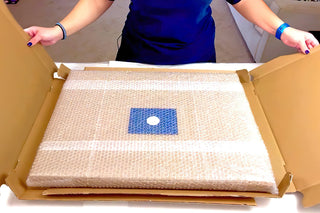
STEP 2 - SHIPPING
We ship your order. We send you an email to track the progress

STEP 3 - DELIVERY
You receive your order. You can also, according to your choice, be delivered to a relay point.
Matte finish
View from behind
Frame (optional)
Insect Beetles Art print Pl 064 - Frederick Du Cane Godman – Captivating introduction
In the fascinating world of entomology, the artwork "Insect Beetles Art print Pl 064" by Frederick Du Cane Godman stands out for its beauty and attention to detail. This illustration, which captures the very essence of these fascinating creatures, transports the viewer into a universe where nature reveals itself in all its splendor. By highlighting the diversity and complexity of beetles, Godman invites us to appreciate the richness of biodiversity, while offering a window into the scientific knowledge of his time. The art print of this work is a tribute to the art of observation and the passion for the natural world.
Style and uniqueness of the work
Godman's work is characterized by a meticulous style and a scientific approach that transcends simple illustration. Each beetle is depicted with remarkable precision, revealing not only shape and color but also textures and details often overlooked. The vibrant nuances of the wings, the complex patterns of the shells, and the dynamic postures of the insects are all elements that testify to the artist's expertise. This work is not just a simple representation; it becomes a true living tableau where each insect seems to capture a moment of life, inviting the viewer to explore the subtleties of their existence. The harmony between art and science manifests here in a celebration of nature, paying homage to the hidden beauty of the infinitely small.
The artist and his influence
Frederick Du Cane Godman, naturalist and artist, played a leading role in the field of entomology in the 19th century. His passion for insects led him to travel around the world, collecting specimens and documenting them with exceptional care. Godman was able to combine his love for nature with his artistic talents, creating works that are both scientific and aesthetic. His influence extends beyond his era, inspiring generations of artists and scientists to view the natural world with a new perspective. By integrating elements of scientific research into his art, he paved the way for a deeper understanding of biodiversity and encouraged
12,34 €