
Painting L'impasse des Bœufs - Hippolyte Guy | Art print


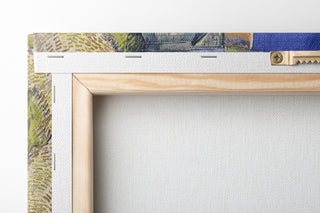
View from behind
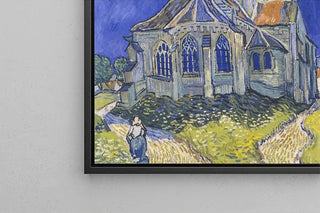
Frame (optional)
Art print of L'impasse des Bœufs - Hippolyte Guy – Captivating introduction
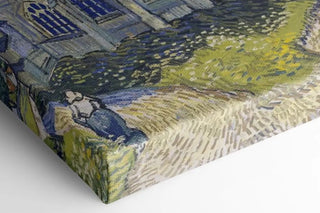
In the world of art, some works manage to capture not only a moment but also the essence of an era. "L'impasse des Bœufs" by Hippolyte Guy is one of those creations that transcend the simple frame of painting. Immersing oneself in this piece, the viewer is transported into a universe where light, color, and composition come together to evoke an atmosphere that is both peaceful and meaningful. This art print, faithful to the original, allows appreciation of the artist's finesse and rediscovery of a corner of Parisian life, where nature and urbanity coexist harmoniously.
Style and uniqueness of the work
Hippolyte Guy's style is distinguished by an impressionist approach that captures light in a unique way. "L'impasse des Bœufs" perfectly illustrates this technique, with brushstrokes that seem to dance across the canvas, creating a vibrant and lively texture. The delicate shades of green, blue, and earth tones, combined with touches of light, evoke a fleeting moment, the instant when the gaze wanders through a landscape that is both familiar and mysterious. The carefully thought-out composition guides the eye through the various elements of the scene, from the tranquil alley to the peacefully settled oxen, while suggesting a silent narrative. This work embodies a poetic vision of everyday life, where beauty resides in the simplicity of ordinary moments.
The artist and his influence
Hippolyte Guy, born in the 19th century, established himself as an essential painter of his time. Influenced by his contemporaries, he developed a style that is uniquely his own, blending realism and impressionism. His work is not limited to simple landscape representation; he seeks to convey emotion, atmosphere, and a state of mind. Guy was also a keen observer of the transformation of Paris, and his works reflect the social and urban changes of his era. By incorporating elements of nature into his urban compositions, he paved the way for a new way of perceiving the city, making it both lively and
Painting L'impasse des Bœufs - Hippolyte Guy | Art print

-10% FROM €95 IN PURCHASES
-15% FROM €195 IN PURCHASES
Regular price
- Unit price
- per
Tax included.
Free shipping
€4.90 / Free shipping on orders over €39
Satisfied or Money Back
Free returns within 30 days
10-year warranty
Our prints are guaranteed for 10 years
Any questions? We are here!
by email to contact@artemlegrand.com
THE STEPS OF YOUR ORDER
STEP 1 - ORDER PLACED
Your order has been confirmed and we are starting production
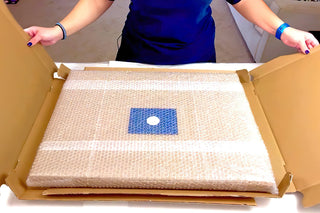
STEP 2 - SHIPPING
We ship your order. We send you an email to track the progress

STEP 3 - DELIVERY
You receive your order. You can also, according to your choice, be delivered to a relay point.
Matte finish
View from behind
Frame (optional)
Art print of L'impasse des Bœufs - Hippolyte Guy – Captivating introduction
In the world of art, some works manage to capture not only a moment but also the essence of an era. "L'impasse des Bœufs" by Hippolyte Guy is one of those creations that transcend the simple frame of painting. Immersing oneself in this piece, the viewer is transported into a universe where light, color, and composition come together to evoke an atmosphere that is both peaceful and meaningful. This art print, faithful to the original, allows appreciation of the artist's finesse and rediscovery of a corner of Parisian life, where nature and urbanity coexist harmoniously.
Style and uniqueness of the work
Hippolyte Guy's style is distinguished by an impressionist approach that captures light in a unique way. "L'impasse des Bœufs" perfectly illustrates this technique, with brushstrokes that seem to dance across the canvas, creating a vibrant and lively texture. The delicate shades of green, blue, and earth tones, combined with touches of light, evoke a fleeting moment, the instant when the gaze wanders through a landscape that is both familiar and mysterious. The carefully thought-out composition guides the eye through the various elements of the scene, from the tranquil alley to the peacefully settled oxen, while suggesting a silent narrative. This work embodies a poetic vision of everyday life, where beauty resides in the simplicity of ordinary moments.
The artist and his influence
Hippolyte Guy, born in the 19th century, established himself as an essential painter of his time. Influenced by his contemporaries, he developed a style that is uniquely his own, blending realism and impressionism. His work is not limited to simple landscape representation; he seeks to convey emotion, atmosphere, and a state of mind. Guy was also a keen observer of the transformation of Paris, and his works reflect the social and urban changes of his era. By incorporating elements of nature into his urban compositions, he paved the way for a new way of perceiving the city, making it both lively and
12,34 €