
Hunting Still Life with a Velvet Bag on a Marble Ledge - Willem van Aelst | Art print


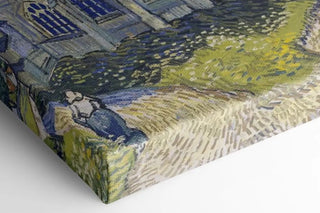
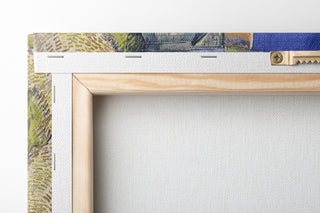
View from behind
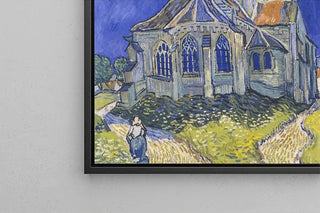
Frame (optional)
Introduction captivante
The still life, an emblematic genre of 17th-century Dutch painting, finds a striking expression in the work of Willem van Aelst. In his "Reproduction of hunting still life with a velvet bag on a marble ledge," the artist manages to capture the very essence of life's fleeting beauty. This piece does more than depict inanimate objects; it evokes a universe where nature and the art of hunting intersect, creating an atmosphere of contemplation. The meticulous details and subtle lighting that bathes the scene invite the viewer to immerse themselves in a world where each element tells a story, where the velvet bag and marble become witnesses to a transient reality.
Style and uniqueness of the work
Willem van Aelst's style is distinguished by its precision and attention to detail. In this still life, every feather, every reflection on the marble is treated with a meticulousness that demonstrates the artist's skill. The use of light, which plays on textures and shapes, gives the work unparalleled depth. Van Aelst goes beyond simple representation; he creates a visual harmony where rich colors, from the deep red of the velvet to the bright white of the marble, intertwine to form a lively tableau. This work also embodies a reflection on vanity, a theme dear to artists of his time, highlighting the fleeting nature of earthly pleasures and the beauty of objects that, although perishable, are immortalized through art.
The artist and his influence
Willem van Aelst, a prominent figure of the Dutch Golden Age, knew how to leave his mark by blending tradition and innovation. Trained in the workshops of great masters, he developed a personal style that influenced many contemporaries. His mastery of painting techniques and keen sense of composition allowed him to stand out in the field of still life. Van Aelst's work is not limited to simple object depiction; it also reflects an interest in nature, hunting, and
Hunting Still Life with a Velvet Bag on a Marble Ledge - Willem van Aelst | Art print

-10% FROM €95 IN PURCHASES
-15% FROM €195 IN PURCHASES
Regular price
- Unit price
- per
Tax included.
Free shipping
€4.90 / Free shipping on orders over €39
Satisfied or Money Back
Free returns within 30 days
10-year warranty
Our prints are guaranteed for 10 years
Any questions? We are here!
by email to contact@artemlegrand.com
THE STEPS OF YOUR ORDER

STEP 1 - ORDER PLACED
Your order has been confirmed and we are starting production
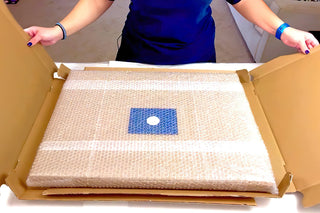
STEP 2 - SHIPPING
We ship your order. We send you an email to track the progress

STEP 3 - DELIVERY
You receive your order. You can also, according to your choice, be delivered to a relay point.
Matte finish
View from behind
Frame (optional)
Introduction captivante
The still life, an emblematic genre of 17th-century Dutch painting, finds a striking expression in the work of Willem van Aelst. In his "Reproduction of hunting still life with a velvet bag on a marble ledge," the artist manages to capture the very essence of life's fleeting beauty. This piece does more than depict inanimate objects; it evokes a universe where nature and the art of hunting intersect, creating an atmosphere of contemplation. The meticulous details and subtle lighting that bathes the scene invite the viewer to immerse themselves in a world where each element tells a story, where the velvet bag and marble become witnesses to a transient reality.
Style and uniqueness of the work
Willem van Aelst's style is distinguished by its precision and attention to detail. In this still life, every feather, every reflection on the marble is treated with a meticulousness that demonstrates the artist's skill. The use of light, which plays on textures and shapes, gives the work unparalleled depth. Van Aelst goes beyond simple representation; he creates a visual harmony where rich colors, from the deep red of the velvet to the bright white of the marble, intertwine to form a lively tableau. This work also embodies a reflection on vanity, a theme dear to artists of his time, highlighting the fleeting nature of earthly pleasures and the beauty of objects that, although perishable, are immortalized through art.
The artist and his influence
Willem van Aelst, a prominent figure of the Dutch Golden Age, knew how to leave his mark by blending tradition and innovation. Trained in the workshops of great masters, he developed a personal style that influenced many contemporaries. His mastery of painting techniques and keen sense of composition allowed him to stand out in the field of still life. Van Aelst's work is not limited to simple object depiction; it also reflects an interest in nature, hunting, and
12,34 €