
Art print Hébé boit l'aigle de Zeus avec du nectar - Ignaz Unterberger | Art print


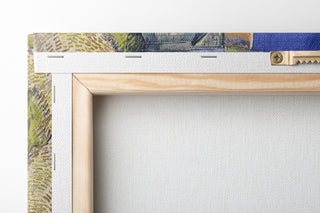
View from behind
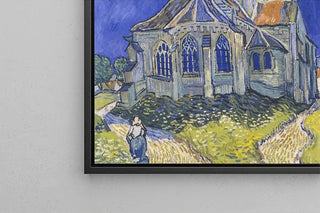
Frame (optional)
The artwork "Hébé drinks Zeus's eagle with nectar" by Ignaz Unterberger is an invitation to immerse oneself in the mythological universe and the refined aesthetics of the 18th century. This scene, which evokes youth and immortality, highlights the importance of gods in Greco-Roman culture. Through this representation, Unterberger manages to capture the very essence of mythology while infusing a vibrant dynamism into his characters. The delicacy of the features and the richness of the colors make this piece a true masterpiece, demonstrating the undeniable talent of the artist. In a world where art and mythology intertwine, this work stands out as a celebration of beauty and legend.
Style and uniqueness of the work
The piece is distinguished by its rococo style, characterized by flowing lines and delicate compositions. Unterberger, with his keen sense of detail, succeeds in creating an atmosphere that is both light and enchanting. The characters, notably Hébé and Zeus's eagle, are depicted with a grace that evokes harmony and balance. Pastel colors, blended with golden touches, illuminate the canvas and emphasize the divine dimension of the scene. Every element is carefully thought out to enhance the visual storytelling, where nectar, a symbol of immortality, becomes the guiding thread of a timeless story. This meticulous attention to detail, combined with undeniable technical mastery, gives the work a singularity that makes it unforgettable.
The artist and his influence
Ignaz Unterberger, born in 1728, was an artist whose career was marked by a deep fascination with mythology and ancient stories. Trained in the major artistic centers of his time, he mastered integrating influences from Italian masters while developing a distinctive style. His ability to fuse narrative elements with refined aesthetics makes him an emblematic figure of rococo. Unterberger also captured the spirit of his era, where art was seen as a means to elevate the soul and evoke profound emotions.
Art print Hébé boit l'aigle de Zeus avec du nectar - Ignaz Unterberger | Art print

-10% FROM €95 IN PURCHASES
-15% FROM €195 IN PURCHASES
Regular price
- Unit price
- per
Tax included.
Free shipping
€4.90 / Free shipping on orders over €39
Satisfied or Money Back
Free returns within 30 days
10-year warranty
Our prints are guaranteed for 10 years
Any questions? We are here!
by email to contact@artemlegrand.com
THE STEPS OF YOUR ORDER

STEP 1 - ORDER PLACED
Your order has been confirmed and we are starting production
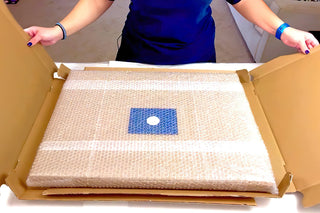
STEP 2 - SHIPPING
We ship your order. We send you an email to track the progress

STEP 3 - DELIVERY
You receive your order. You can also, according to your choice, be delivered to a relay point.
Matte finish
View from behind
Frame (optional)
The artwork "Hébé drinks Zeus's eagle with nectar" by Ignaz Unterberger is an invitation to immerse oneself in the mythological universe and the refined aesthetics of the 18th century. This scene, which evokes youth and immortality, highlights the importance of gods in Greco-Roman culture. Through this representation, Unterberger manages to capture the very essence of mythology while infusing a vibrant dynamism into his characters. The delicacy of the features and the richness of the colors make this piece a true masterpiece, demonstrating the undeniable talent of the artist. In a world where art and mythology intertwine, this work stands out as a celebration of beauty and legend.
Style and uniqueness of the work
The piece is distinguished by its rococo style, characterized by flowing lines and delicate compositions. Unterberger, with his keen sense of detail, succeeds in creating an atmosphere that is both light and enchanting. The characters, notably Hébé and Zeus's eagle, are depicted with a grace that evokes harmony and balance. Pastel colors, blended with golden touches, illuminate the canvas and emphasize the divine dimension of the scene. Every element is carefully thought out to enhance the visual storytelling, where nectar, a symbol of immortality, becomes the guiding thread of a timeless story. This meticulous attention to detail, combined with undeniable technical mastery, gives the work a singularity that makes it unforgettable.
The artist and his influence
Ignaz Unterberger, born in 1728, was an artist whose career was marked by a deep fascination with mythology and ancient stories. Trained in the major artistic centers of his time, he mastered integrating influences from Italian masters while developing a distinctive style. His ability to fuse narrative elements with refined aesthetics makes him an emblematic figure of rococo. Unterberger also captured the spirit of his era, where art was seen as a means to elevate the soul and evoke profound emotions.
12,34 €