
Painting Head of a Model (Case of Conflict) - John William Waterhouse | Art print


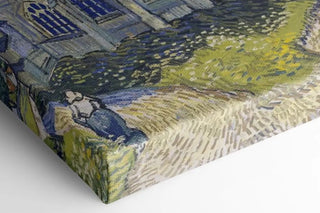
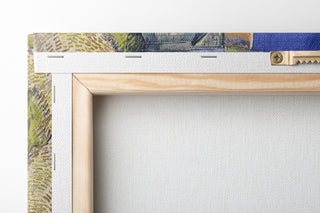
View from behind
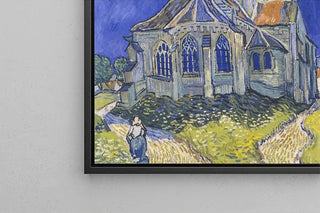
Frame (optional)
John William Waterhouse's "Head of a Model (Conflict of Cases)" is a captivating artwork that invites contemplation and reflection. Evoking palpable emotional intensity, this iconic piece of the Pre-Raphaelite movement is rooted in an artistic tradition that celebrates the beauty and complexity of the human soul. Focusing on this fascinating portrait, the viewer is transported into a universe where light and shadow dance across the model's face, revealing layers of thought and feeling. This work, while a static representation, seems to vibrate with inner life, prompting each observer to question the story behind this expression.
Style and uniqueness of the artwork
Waterhouse's aesthetic is distinguished by a delicate and poetic approach, characterized by a rich color palette and meticulous attention to detail. The "Head of a Model (Conflict of Cases)" perfectly illustrates this mastery, where each brushstroke contributes to creating an atmosphere that is both intimate and universal. The luminosity emanating from the model's face blends with darker shades, symbolizing internal conflicts and human dilemmas. This contrast, far from being trivial, serves to accentuate the psychological depth of the depicted figure. The piece does not merely capture an appearance; it explores the emotions and thoughts that inhabit the model, making each gaze at the canvas unique and personal.
The artist and his influence
John William Waterhouse, an emblematic figure of the Pre-Raphaelite movement, masterfully combines classical aesthetics with contemporary themes, making his work a bridge between the past and the present. His interest in mythology, literature, and ancient stories is evident in each of his creations, offering a romantic and often melancholic vision of existence. Waterhouse was also influenced by artists such as Dante Gabriel Rossetti and Edward Burne-Jones, but he developed a style that is uniquely his own, highlighting a singular sensitivity to the human condition. Through his portraits, he questions the place of the individual in a constantly changing world, while celebrating beauty
Painting Head of a Model (Case of Conflict) - John William Waterhouse | Art print

-10% FROM €95 IN PURCHASES
-15% FROM €195 IN PURCHASES
Regular price
- Unit price
- per
Tax included.
Free shipping
€4.90 / Free shipping on orders over €39
Satisfied or Money Back
Free returns within 30 days
10-year warranty
Our prints are guaranteed for 10 years
Any questions? We are here!
by email to contact@artemlegrand.com
THE STEPS OF YOUR ORDER

STEP 1 - ORDER PLACED
Your order has been confirmed and we are starting production
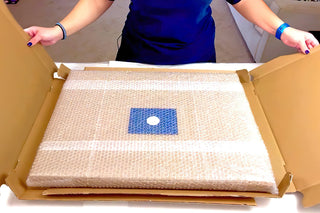
STEP 2 - SHIPPING
We ship your order. We send you an email to track the progress

STEP 3 - DELIVERY
You receive your order. You can also, according to your choice, be delivered to a relay point.
Matte finish
View from behind
Frame (optional)
John William Waterhouse's "Head of a Model (Conflict of Cases)" is a captivating artwork that invites contemplation and reflection. Evoking palpable emotional intensity, this iconic piece of the Pre-Raphaelite movement is rooted in an artistic tradition that celebrates the beauty and complexity of the human soul. Focusing on this fascinating portrait, the viewer is transported into a universe where light and shadow dance across the model's face, revealing layers of thought and feeling. This work, while a static representation, seems to vibrate with inner life, prompting each observer to question the story behind this expression.
Style and uniqueness of the artwork
Waterhouse's aesthetic is distinguished by a delicate and poetic approach, characterized by a rich color palette and meticulous attention to detail. The "Head of a Model (Conflict of Cases)" perfectly illustrates this mastery, where each brushstroke contributes to creating an atmosphere that is both intimate and universal. The luminosity emanating from the model's face blends with darker shades, symbolizing internal conflicts and human dilemmas. This contrast, far from being trivial, serves to accentuate the psychological depth of the depicted figure. The piece does not merely capture an appearance; it explores the emotions and thoughts that inhabit the model, making each gaze at the canvas unique and personal.
The artist and his influence
John William Waterhouse, an emblematic figure of the Pre-Raphaelite movement, masterfully combines classical aesthetics with contemporary themes, making his work a bridge between the past and the present. His interest in mythology, literature, and ancient stories is evident in each of his creations, offering a romantic and often melancholic vision of existence. Waterhouse was also influenced by artists such as Dante Gabriel Rossetti and Edward Burne-Jones, but he developed a style that is uniquely his own, highlighting a singular sensitivity to the human condition. Through his portraits, he questions the place of the individual in a constantly changing world, while celebrating beauty
12,34 €