
Grand Vizir Nevşehirli Damat Ibrahim Pacha Painting - Jean-Baptiste Vanmour | Art print


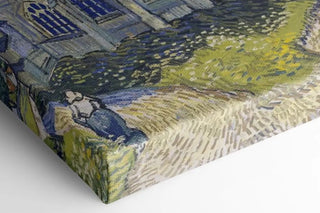
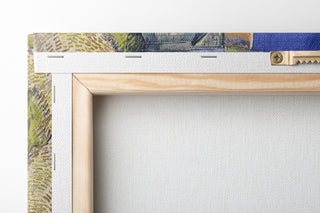
View from behind
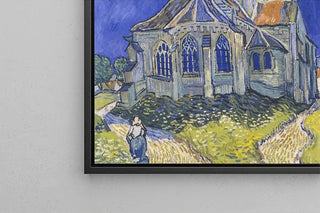
Frame (optional)
The artwork "Grand Vizir Nevşehirli Damat Ibrahim Pacha" by Jean-Baptiste Vanmour is a true testament to the encounter between the East and West in the 18th century. This painting, capturing the essence of an influential figure of the Ottoman Empire, immerses us in a universe rich in colors and details. Through the penetrating gaze of the Grand Vizir, viewers are invited to explore the subtleties of the Ottoman court, where power, culture, and art converge. Vanmour's technical mastery, combined with his sensitivity to the depiction of costumes and rites, makes this piece an essential masterpiece that continues to spark the curiosity of art enthusiasts.
Style and uniqueness of the work
Vanmour's style is distinguished by its ability to blend realism and idealization. In "Grand Vizir Nevşehirli Damat Ibrahim Pacha," every detail, from the majestic turban to the elaborate embroidery of the Vizir's attire, is rendered with remarkable precision. The artist manages to capture not only the external appearance of his subject but also his character. The Vizir's posture, upright and confident, evokes natural authority, while his gaze, both serene and determined, seems to tell a story of power and responsibility. The vibrant colors, especially deep reds and bright golds, reinforce the impression of wealth and splendor characteristic of the Ottoman Empire at that time. This work is not merely a simple representation; it is a window into a fascinating era, where art becomes a reflection of political and social issues.
The artist and his influence
Jean-Baptiste Vanmour, a French painter of the 18th century, is often regarded as a privileged witness to Ottoman culture. His career was marked by extended stays in Istanbul, where he absorbed local customs and traditions. His technique, influenced by Baroque, is characterized by meticulous attention to detail and bold use of color. Vanmour not only documented daily life in the Ottoman Empire but also
Grand Vizir Nevşehirli Damat Ibrahim Pacha Painting - Jean-Baptiste Vanmour | Art print

-10% FROM €95 IN PURCHASES
-15% FROM €195 IN PURCHASES
Regular price
- Unit price
- per
Tax included.
Free shipping
€4.90 / Free shipping on orders over €39
Satisfied or Money Back
Free returns within 30 days
10-year warranty
Our prints are guaranteed for 10 years
Any questions? We are here!
by email to contact@artemlegrand.com
THE STEPS OF YOUR ORDER

STEP 1 - ORDER PLACED
Your order has been confirmed and we are starting production
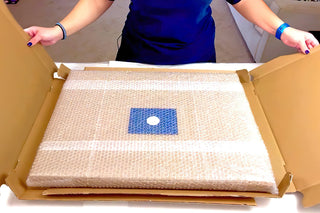
STEP 2 - SHIPPING
We ship your order. We send you an email to track the progress

STEP 3 - DELIVERY
You receive your order. You can also, according to your choice, be delivered to a relay point.
Matte finish
View from behind
Frame (optional)
The artwork "Grand Vizir Nevşehirli Damat Ibrahim Pacha" by Jean-Baptiste Vanmour is a true testament to the encounter between the East and West in the 18th century. This painting, capturing the essence of an influential figure of the Ottoman Empire, immerses us in a universe rich in colors and details. Through the penetrating gaze of the Grand Vizir, viewers are invited to explore the subtleties of the Ottoman court, where power, culture, and art converge. Vanmour's technical mastery, combined with his sensitivity to the depiction of costumes and rites, makes this piece an essential masterpiece that continues to spark the curiosity of art enthusiasts.
Style and uniqueness of the work
Vanmour's style is distinguished by its ability to blend realism and idealization. In "Grand Vizir Nevşehirli Damat Ibrahim Pacha," every detail, from the majestic turban to the elaborate embroidery of the Vizir's attire, is rendered with remarkable precision. The artist manages to capture not only the external appearance of his subject but also his character. The Vizir's posture, upright and confident, evokes natural authority, while his gaze, both serene and determined, seems to tell a story of power and responsibility. The vibrant colors, especially deep reds and bright golds, reinforce the impression of wealth and splendor characteristic of the Ottoman Empire at that time. This work is not merely a simple representation; it is a window into a fascinating era, where art becomes a reflection of political and social issues.
The artist and his influence
Jean-Baptiste Vanmour, a French painter of the 18th century, is often regarded as a privileged witness to Ottoman culture. His career was marked by extended stays in Istanbul, where he absorbed local customs and traditions. His technique, influenced by Baroque, is characterized by meticulous attention to detail and bold use of color. Vanmour not only documented daily life in the Ottoman Empire but also
12,34 €