
Painting of the Grand Escalier Otis Tarda - Anselmus Botius de Boodt | Art print


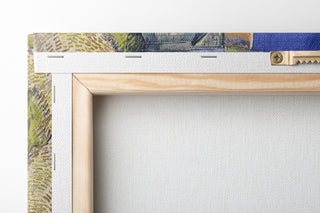
View from behind
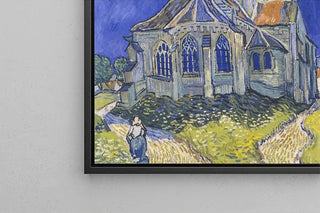
Frame (optional)
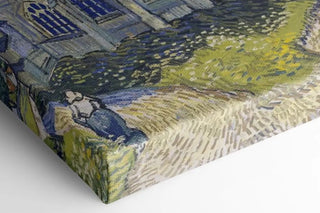
The art print Grand escalier Otis tarda - Anselmus Botius de Boodt evokes a fascinating journey through time and space, inviting the viewer to explore a scene rich in detail and emotion. This work, emblematic of the Baroque period, stands out for its ability to capture the very essence of a moment frozen in time. Through subtle color nuances and delicate strokes, the artist succeeds in conveying an atmosphere of grandeur and elegance, while highlighting the harmony between man and his environment. Every element of this composition seems to tell a story, engaging the viewer in a reflection on the beauty and complexity of nature.
Style and uniqueness of the work
Anselmus Botius de Boodt's style is characterized by exceptional meticulousness and a keen sense of observation. In "Grand escalier Otis tarda," he manages to create a captivating visual dynamic, where organic shapes blend with architectural structures. This work is distinguished by its masterful use of light and shadow, which imparts a striking depth to the scene. The minute details, whether in the rendering of textures or in the expressions of the characters, demonstrate rare technical mastery. Every brushstroke appears to have been carefully thought out to emphasize the natural beauty of the subject, making this piece a true masterpiece. The balanced and harmonious composition evokes a sense of serenity, while also sparking insatiable curiosity in the viewer.
The artist and his influence
Anselmus Botius de Boodt, an essential figure in Flemish painting, managed to leave his mark on his era through his innovative approach and passion for nature. Influenced by the great masters of his time, he developed a personal style that combines scientific rigor with artistic sensitivity. His interest in observing animal and plant species is reflected in his works, where every detail is carefully studied. De Boodt also played a crucial role in disseminating naturalist knowledge through art, thus contributing to the emergence of a new perspective on nature. His legacy endures today
Painting of the Grand Escalier Otis Tarda - Anselmus Botius de Boodt | Art print

-10% FROM €95 IN PURCHASES
-15% FROM €195 IN PURCHASES
Regular price
- Unit price
- per
Free shipping
€4.90 / Free shipping on orders over €39
Satisfied or Money Back
Free returns within 30 days
10-year warranty
Our prints are guaranteed for 10 years
Any questions? We are here!
by email to contact@artemlegrand.com
THE STEPS OF YOUR ORDER

STEP 1 - ORDER PLACED
Your order has been confirmed and we are starting production
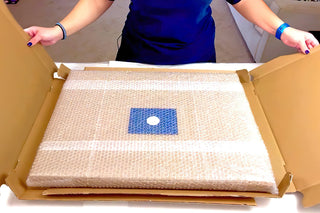
STEP 2 - SHIPPING
We ship your order. We send you an email to track the progress

STEP 3 - DELIVERY
You receive your order. You can also, according to your choice, be delivered to a relay point.
Matte finish
View from behind
Frame (optional)
The art print Grand escalier Otis tarda - Anselmus Botius de Boodt evokes a fascinating journey through time and space, inviting the viewer to explore a scene rich in detail and emotion. This work, emblematic of the Baroque period, stands out for its ability to capture the very essence of a moment frozen in time. Through subtle color nuances and delicate strokes, the artist succeeds in conveying an atmosphere of grandeur and elegance, while highlighting the harmony between man and his environment. Every element of this composition seems to tell a story, engaging the viewer in a reflection on the beauty and complexity of nature.
Style and uniqueness of the work
Anselmus Botius de Boodt's style is characterized by exceptional meticulousness and a keen sense of observation. In "Grand escalier Otis tarda," he manages to create a captivating visual dynamic, where organic shapes blend with architectural structures. This work is distinguished by its masterful use of light and shadow, which imparts a striking depth to the scene. The minute details, whether in the rendering of textures or in the expressions of the characters, demonstrate rare technical mastery. Every brushstroke appears to have been carefully thought out to emphasize the natural beauty of the subject, making this piece a true masterpiece. The balanced and harmonious composition evokes a sense of serenity, while also sparking insatiable curiosity in the viewer.
The artist and his influence
Anselmus Botius de Boodt, an essential figure in Flemish painting, managed to leave his mark on his era through his innovative approach and passion for nature. Influenced by the great masters of his time, he developed a personal style that combines scientific rigor with artistic sensitivity. His interest in observing animal and plant species is reflected in his works, where every detail is carefully studied. De Boodt also played a crucial role in disseminating naturalist knowledge through art, thus contributing to the emergence of a new perspective on nature. His legacy endures today