
Painting Gongora atropurpurea - William Jackson Hooker | Art print


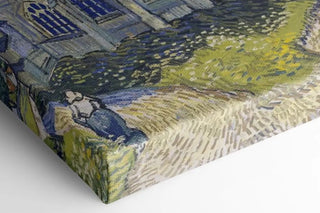
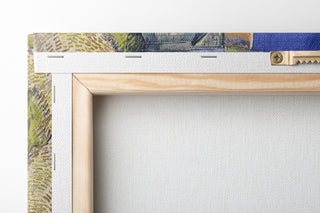
View from behind
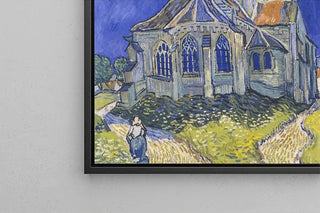
Frame (optional)
Giclée art print of Gongora atropurpurea by William Jackson Hooker – Captivating introduction
Nature, in all its splendor, has always been an inexhaustible source of inspiration for artists. "Gongora atropurpurea - William Jackson Hooker" is no exception to this rule. This piece, which captures the essence of a rare plant, invites viewers to immerse themselves in a world where botanical beauty blends seamlessly with art. By examining this work, one discovers not only a faithful representation of a plant species but also a testament to the Victorian era, when the exploration of exotic plants was at its peak. Hooker, as a botanist and artist, offers us a fascinating window into the richness of biodiversity.
Style and uniqueness of the work
The depiction of "Gongora atropurpurea" is characterized by meticulous attention to detail, a hallmark of Hooker's style. Every petal, every stem is rendered with precision that evokes the delicacy and complexity of nature. The vibrant colors, ranging from deep violet shades to softer hues, create a striking contrast that immediately draws the eye. This art print is not merely a botanical illustration; it transcends the genre to become a true work of art. The choice of composition, with a subtle background that highlights the plant, allows viewers to almost feel the texture of the flowers, as if they could touch them. Hooker succeeds in capturing not only the physical appearance of the Gongora atropurpurea but also its essence, character, making it a unique and memorable piece.
The artist and his influence
William Jackson Hooker, a prominent 19th-century botanist, masterfully combined science and art. His work is the result of his travels and his passion for botany, a passion that drives him to explore unknown territories in search of new species. Hooker was not merely a scientist; he was also a talented artist, capable of transforming his observations into works of art that have become references in the field of botanical illustration. His influence extends far beyond his time, inspiring many artists and botanists who followed in his footsteps. By studying his works, one can understand
Painting Gongora atropurpurea - William Jackson Hooker | Art print

-10% FROM €95 IN PURCHASES
-15% FROM €195 IN PURCHASES
Regular price
- Unit price
- per
Tax included.
Free shipping
€4.90 / Free shipping on orders over €39
Satisfied or Money Back
Free returns within 30 days
10-year warranty
Our prints are guaranteed for 10 years
Any questions? We are here!
by email to contact@artemlegrand.com
THE STEPS OF YOUR ORDER

STEP 1 - ORDER PLACED
Your order has been confirmed and we are starting production
STEP 2 - SHIPPING
We ship your order. We send you an email to track the progress

STEP 3 - DELIVERY
You receive your order. You can also, according to your choice, be delivered to a relay point.
Matte finish
View from behind
Frame (optional)
Giclée art print of Gongora atropurpurea by William Jackson Hooker – Captivating introduction
Nature, in all its splendor, has always been an inexhaustible source of inspiration for artists. "Gongora atropurpurea - William Jackson Hooker" is no exception to this rule. This piece, which captures the essence of a rare plant, invites viewers to immerse themselves in a world where botanical beauty blends seamlessly with art. By examining this work, one discovers not only a faithful representation of a plant species but also a testament to the Victorian era, when the exploration of exotic plants was at its peak. Hooker, as a botanist and artist, offers us a fascinating window into the richness of biodiversity.
Style and uniqueness of the work
The depiction of "Gongora atropurpurea" is characterized by meticulous attention to detail, a hallmark of Hooker's style. Every petal, every stem is rendered with precision that evokes the delicacy and complexity of nature. The vibrant colors, ranging from deep violet shades to softer hues, create a striking contrast that immediately draws the eye. This art print is not merely a botanical illustration; it transcends the genre to become a true work of art. The choice of composition, with a subtle background that highlights the plant, allows viewers to almost feel the texture of the flowers, as if they could touch them. Hooker succeeds in capturing not only the physical appearance of the Gongora atropurpurea but also its essence, character, making it a unique and memorable piece.
The artist and his influence
William Jackson Hooker, a prominent 19th-century botanist, masterfully combined science and art. His work is the result of his travels and his passion for botany, a passion that drives him to explore unknown territories in search of new species. Hooker was not merely a scientist; he was also a talented artist, capable of transforming his observations into works of art that have become references in the field of botanical illustration. His influence extends far beyond his time, inspiring many artists and botanists who followed in his footsteps. By studying his works, one can understand
12,34 €