
Painting Giverny - Theodore Robinson | Art print


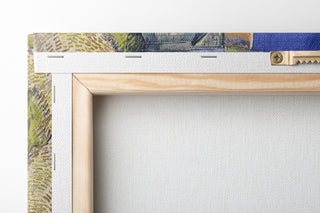
View from behind
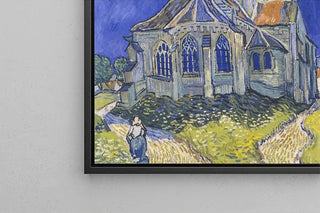
Frame (optional)
Giverny Art print - Theodore Robinson – Captivating introduction
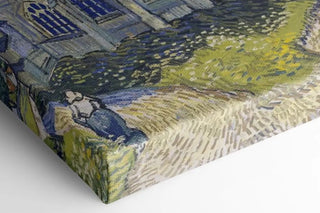
In the fascinating world of Impressionism, the artwork "Giverny" by Theodore Robinson stands out for its ability to capture the very essence of a fleeting moment. Painted at the end of the 19th century, this canvas depicts a bucolic landscape where light dances on flowers and foliage, bearing witness to a nature that is both wild and tamed. Robinson, who was a disciple of Claude Monet, invites us to immerse ourselves in a lively tableau, where each brushstroke seems to whisper the secrets of a sunny afternoon in Giverny, an iconic village for artists. The art print of this work allows us to relive this aesthetic experience while connecting to the Impressionist heritage.
Style and uniqueness of the work
The style of Theodore Robinson is characterized by a bold approach to color and light. In "Giverny," he uses vibrant hues and striking contrasts to bring a landscape to life that seems to breathe. Shades of green, yellow, and blue blend harmoniously, creating an atmosphere of serenity and joy. Robinson excels in depicting light effects, capturing reflections and shadows with a delicacy that transports the viewer to the heart of the scene. This work is also distinguished by a balanced composition, where natural elements blend into a coherent whole, demonstrating harmony between man and nature. The way Robinson manages to immortalize a specific moment while giving it an almost timeless dimension makes "Giverny" an essential work of the Impressionist movement.
The artist and his influence
Theodore Robinson, born in 1852 in Iola, Kansas, is often regarded as one of the first American artists to adopt the Impressionist style. His stay in France, where he mingled with masters such as Monet and Pissarro, profoundly influenced his work. Robinson was able to incorporate Impressionist techniques while maintaining a sensitivity unique to his American culture. His art, imbued with poetry, reflects a quest for beauty and truth in nature. Through his works, he not only contributed to the dissemination of Impressionism in the United States, but
Painting Giverny - Theodore Robinson | Art print

-10% FROM €95 IN PURCHASES
-15% FROM €195 IN PURCHASES
Regular price
- Unit price
- per
Tax included.
Free shipping
€4.90 / Free shipping on orders over €39
Satisfied or Money Back
Free returns within 30 days
10-year warranty
Our prints are guaranteed for 10 years
Any questions? We are here!
by email to contact@artemlegrand.com
THE STEPS OF YOUR ORDER
STEP 1 - ORDER PLACED
Your order has been confirmed and we are starting production
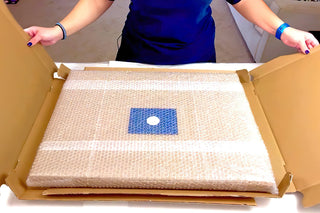
STEP 2 - SHIPPING
We ship your order. We send you an email to track the progress

STEP 3 - DELIVERY
You receive your order. You can also, according to your choice, be delivered to a relay point.
Matte finish
View from behind
Frame (optional)
Giverny Art print - Theodore Robinson – Captivating introduction
In the fascinating world of Impressionism, the artwork "Giverny" by Theodore Robinson stands out for its ability to capture the very essence of a fleeting moment. Painted at the end of the 19th century, this canvas depicts a bucolic landscape where light dances on flowers and foliage, bearing witness to a nature that is both wild and tamed. Robinson, who was a disciple of Claude Monet, invites us to immerse ourselves in a lively tableau, where each brushstroke seems to whisper the secrets of a sunny afternoon in Giverny, an iconic village for artists. The art print of this work allows us to relive this aesthetic experience while connecting to the Impressionist heritage.
Style and uniqueness of the work
The style of Theodore Robinson is characterized by a bold approach to color and light. In "Giverny," he uses vibrant hues and striking contrasts to bring a landscape to life that seems to breathe. Shades of green, yellow, and blue blend harmoniously, creating an atmosphere of serenity and joy. Robinson excels in depicting light effects, capturing reflections and shadows with a delicacy that transports the viewer to the heart of the scene. This work is also distinguished by a balanced composition, where natural elements blend into a coherent whole, demonstrating harmony between man and nature. The way Robinson manages to immortalize a specific moment while giving it an almost timeless dimension makes "Giverny" an essential work of the Impressionist movement.
The artist and his influence
Theodore Robinson, born in 1852 in Iola, Kansas, is often regarded as one of the first American artists to adopt the Impressionist style. His stay in France, where he mingled with masters such as Monet and Pissarro, profoundly influenced his work. Robinson was able to incorporate Impressionist techniques while maintaining a sensitivity unique to his American culture. His art, imbued with poetry, reflects a quest for beauty and truth in nature. Through his works, he not only contributed to the dissemination of Impressionism in the United States, but
12,34 €