
Art print of Perruche géante Alexandre Psittacula eupatria and small parakeet Alexandre Psittacula alexandri - Anselmus Botius de Boodt


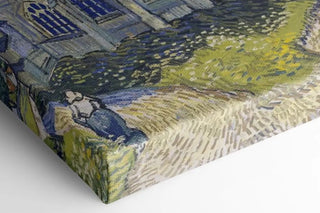
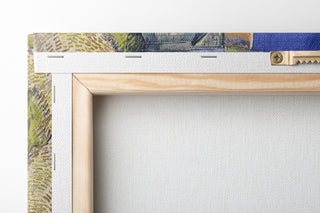
View from behind
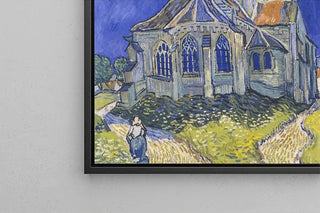
Frame (optional)
In the fascinating world of ornithological art, Anselmus Botius de Boodt's work stands out for its elegance and precision. The art print of the giant Alexandrine parakeet Psittacula eupatria and the small Alexandrine parakeet Psittacula alexandri immerses us in a vibrant world of colors and meticulous details. This piece is more than just a depiction of birds; it evokes an era when nature was celebrated through the lens of art. The delicacy of the plumage, the finesse of the features, and the harmony of colors invite the viewer to silent contemplation, revealing the soul of these majestic creatures. The work is much more than a simple illustration; it reflects a passion for natural beauty, captured by the talent of an artist who knew how to immortalize these fleeting moments of life.
Style and uniqueness of the work
Botius de Boodt's style is characterized by meticulous attention to detail. Each feather is rendered with precision that demonstrates careful observation and a deep understanding of avian anatomy. The shades of green, blue, and yellow adorning the parrots are not merely aesthetic choices but faithful representations of reality, enhanced by a keen artistic sense. The piece also stands out for its balanced composition, where the birds are positioned to create a visual dialogue between them and their environment. The often delicate backgrounds highlight the main subjects while adding an extra dimension to the scene. This harmonious approach makes the art print a true masterpiece, where every element contributes to the whole, thereby strengthening the visual and emotional impact of the work.
The artist and his influence
Anselmus Botius de Boodt, a Flemish naturalist and painter from the early 17th century, left his mark on his era through his contributions to the art of bird representation. His work is not limited to simple illustration; it is part of a broader tradition of scientific art, where observation and aesthetics meet.
Art print of Perruche géante Alexandre Psittacula eupatria and small parakeet Alexandre Psittacula alexandri - Anselmus Botius de Boodt

-10% FROM €95 IN PURCHASES
-15% FROM €195 IN PURCHASES
Regular price
- Unit price
- per
Free shipping
€4.90 / Free shipping on orders over €39
Satisfied or Money Back
Free returns within 30 days
10-year warranty
Our prints are guaranteed for 10 years
Any questions? We are here!
by email to contact@artemlegrand.com
THE STEPS OF YOUR ORDER

STEP 1 - ORDER PLACED
Your order has been confirmed and we are starting production
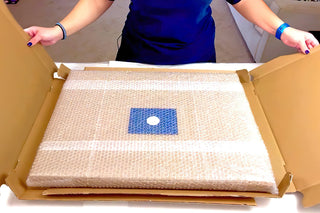
STEP 2 - SHIPPING
We ship your order. We send you an email to track the progress

STEP 3 - DELIVERY
You receive your order. You can also, according to your choice, be delivered to a relay point.
Matte finish
View from behind
Frame (optional)
In the fascinating world of ornithological art, Anselmus Botius de Boodt's work stands out for its elegance and precision. The art print of the giant Alexandrine parakeet Psittacula eupatria and the small Alexandrine parakeet Psittacula alexandri immerses us in a vibrant world of colors and meticulous details. This piece is more than just a depiction of birds; it evokes an era when nature was celebrated through the lens of art. The delicacy of the plumage, the finesse of the features, and the harmony of colors invite the viewer to silent contemplation, revealing the soul of these majestic creatures. The work is much more than a simple illustration; it reflects a passion for natural beauty, captured by the talent of an artist who knew how to immortalize these fleeting moments of life.
Style and uniqueness of the work
Botius de Boodt's style is characterized by meticulous attention to detail. Each feather is rendered with precision that demonstrates careful observation and a deep understanding of avian anatomy. The shades of green, blue, and yellow adorning the parrots are not merely aesthetic choices but faithful representations of reality, enhanced by a keen artistic sense. The piece also stands out for its balanced composition, where the birds are positioned to create a visual dialogue between them and their environment. The often delicate backgrounds highlight the main subjects while adding an extra dimension to the scene. This harmonious approach makes the art print a true masterpiece, where every element contributes to the whole, thereby strengthening the visual and emotional impact of the work.
The artist and his influence
Anselmus Botius de Boodt, a Flemish naturalist and painter from the early 17th century, left his mark on his era through his contributions to the art of bird representation. His work is not limited to simple illustration; it is part of a broader tradition of scientific art, where observation and aesthetics meet.