
Painting Georges I, Count of Erbach - Hans Baldung | Art print


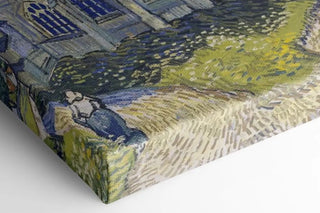
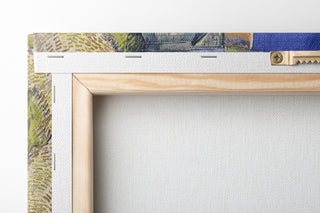
View from behind
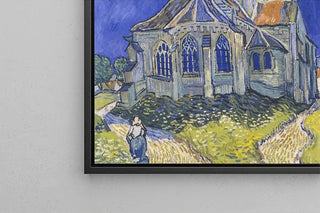
Frame (optional)
In the vast panorama of the German Renaissance, the artwork "George I, Count of Erbach" by Hans Baldung stands out for its narrative depth and refined aesthetics. This portrait, capturing the essence of a noble from the 16th century, immerses us in a world where art and nobility intertwine, revealing not only the physical appearance of the subject but also his social status and character. Through this art print, viewers are invited to explore the subtleties of aristocratic identity while immersing themselves in the vibrant atmosphere of the era. Baldung's work, rich in symbolism and detail, offers a window into a past where every brushstroke tells a story.
Style and uniqueness of the work
Baldung's style is characterized by an impressive mastery of portraiture, blending realism and idealization. In "George I, Count of Erbach," the artist manages to capture the distinctive features of his model while infusing an almost mythological dimension into his appearance. The color palette chosen, ranging from deep tones to lighter shades, helps create an atmosphere that is both solemn and dynamic. The drapes of the robe and the details of the ornaments highlight Baldung's craftsmanship, which does not merely reproduce reality but seeks to transcend everyday life. Every detail, from the penetrating gaze of the count to the texture of the fabrics, is carefully considered to evoke a sense of grandeur and authority.
The artist and his influence
Hans Baldung, often regarded as a pupil of Dürer, forged his own path in the art world. His innovative approach and diverse themes, from mythology to the representation of nobility, testify to boundless creativity. Baldung does not limit himself to simple art print reproduction of existing models; he explores complex subjects, incorporating elements of mystery and spirituality that make him an unclassifiable artist. His influence on his contemporaries and subsequent generations is undeniable, and his work has helped shape the course of art in Germany. Through his portraits, he has managed to give a
Painting Georges I, Count of Erbach - Hans Baldung | Art print

-10% FROM €95 IN PURCHASES
-15% FROM €195 IN PURCHASES
Regular price
- Unit price
- per
Tax included.
Free shipping
€4.90 / Free shipping on orders over €39
Satisfied or Money Back
Free returns within 30 days
10-year warranty
Our prints are guaranteed for 10 years
Any questions? We are here!
by email to contact@artemlegrand.com
THE STEPS OF YOUR ORDER

STEP 1 - ORDER PLACED
Your order has been confirmed and we are starting production
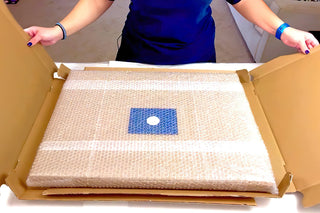
STEP 2 - SHIPPING
We ship your order. We send you an email to track the progress

STEP 3 - DELIVERY
You receive your order. You can also, according to your choice, be delivered to a relay point.
Matte finish
View from behind
Frame (optional)
In the vast panorama of the German Renaissance, the artwork "George I, Count of Erbach" by Hans Baldung stands out for its narrative depth and refined aesthetics. This portrait, capturing the essence of a noble from the 16th century, immerses us in a world where art and nobility intertwine, revealing not only the physical appearance of the subject but also his social status and character. Through this art print, viewers are invited to explore the subtleties of aristocratic identity while immersing themselves in the vibrant atmosphere of the era. Baldung's work, rich in symbolism and detail, offers a window into a past where every brushstroke tells a story.
Style and uniqueness of the work
Baldung's style is characterized by an impressive mastery of portraiture, blending realism and idealization. In "George I, Count of Erbach," the artist manages to capture the distinctive features of his model while infusing an almost mythological dimension into his appearance. The color palette chosen, ranging from deep tones to lighter shades, helps create an atmosphere that is both solemn and dynamic. The drapes of the robe and the details of the ornaments highlight Baldung's craftsmanship, which does not merely reproduce reality but seeks to transcend everyday life. Every detail, from the penetrating gaze of the count to the texture of the fabrics, is carefully considered to evoke a sense of grandeur and authority.
The artist and his influence
Hans Baldung, often regarded as a pupil of Dürer, forged his own path in the art world. His innovative approach and diverse themes, from mythology to the representation of nobility, testify to boundless creativity. Baldung does not limit himself to simple art print reproduction of existing models; he explores complex subjects, incorporating elements of mystery and spirituality that make him an unclassifiable artist. His influence on his contemporaries and subsequent generations is undeniable, and his work has helped shape the course of art in Germany. Through his portraits, he has managed to give a
12,34 €