
Art print George Tyler Olmsted 1804-1876 - William Drooke Harrison


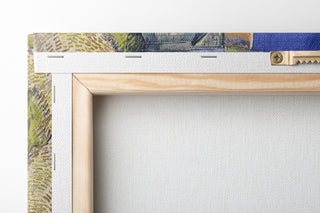
View from behind
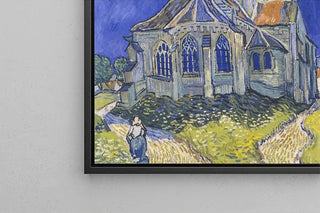
Frame (optional)
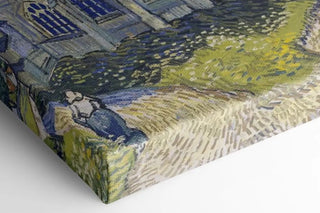
In the vast panorama of art history, certain works stand out for their ability to capture the essence of an era, evoke deep emotions, and inspire reflection. The art print George Tyler Olmsted 1804-1876 - William Drooke Harrison is a perfect example. This painting, which is set during a pivotal period of the 19th century, transports us to a world where nature and humanity coexist in harmony. Through this piece, the artist invites us to explore the nuances of life, to contemplate the beauty of the landscape, and to appreciate the depth of human relationships.
Style and uniqueness of the work
The style of this piece is characterized by delicacy and finesse of execution that testify to true craftsmanship. The colors, subtly nuanced, play a leading role in the composition, creating an atmosphere that is both serene and dynamic. The details of the landscapes, whether lush or austere, are rendered with precision that reveals the artist's attentive observation. The light, omnipresent, seems to dance across the surfaces, giving an almost ethereal dimension to the whole. Every element of the canvas is carefully arranged to guide the viewer’s gaze, inviting them to immerse themselves in this scene where nature comes alive. The depiction of the characters, often interacting with their environment, demonstrates a particular sensitivity to the relationship between man and nature, a recurring theme in William Drooke Harrison's work.
The artist and his influence
William Drooke Harrison, an artist with a rich and varied background, has established himself as an essential figure of his time. His work, marked by a deep respect for nature, is part of an artistic movement that values direct observation and the expression of feelings. Influenced by the great masters of landscape painting, Harrison developed a style that is uniquely his own, blending tradition and innovation. His creations not only left a mark on his contemporaries but also paved the way for new generations of artists. By focusing on the relationship between man and his environment, he contributed to a broader reflection on the role of art in society. His legacy
Art print George Tyler Olmsted 1804-1876 - William Drooke Harrison

-10% FROM €95 IN PURCHASES
-15% FROM €195 IN PURCHASES
Regular price
- Unit price
- per
Tax included.
Free shipping
€4.90 / Free shipping on orders over €39
Satisfied or Money Back
Free returns within 30 days
10-year warranty
Our prints are guaranteed for 10 years
Any questions? We are here!
by email to contact@artemlegrand.com
THE STEPS OF YOUR ORDER

STEP 1 - ORDER PLACED
Your order has been confirmed and we are starting production
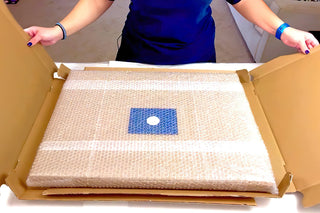
STEP 2 - SHIPPING
We ship your order. We send you an email to track the progress

STEP 3 - DELIVERY
You receive your order. You can also, according to your choice, be delivered to a relay point.
Matte finish
View from behind
Frame (optional)
In the vast panorama of art history, certain works stand out for their ability to capture the essence of an era, evoke deep emotions, and inspire reflection. The art print George Tyler Olmsted 1804-1876 - William Drooke Harrison is a perfect example. This painting, which is set during a pivotal period of the 19th century, transports us to a world where nature and humanity coexist in harmony. Through this piece, the artist invites us to explore the nuances of life, to contemplate the beauty of the landscape, and to appreciate the depth of human relationships.
Style and uniqueness of the work
The style of this piece is characterized by delicacy and finesse of execution that testify to true craftsmanship. The colors, subtly nuanced, play a leading role in the composition, creating an atmosphere that is both serene and dynamic. The details of the landscapes, whether lush or austere, are rendered with precision that reveals the artist's attentive observation. The light, omnipresent, seems to dance across the surfaces, giving an almost ethereal dimension to the whole. Every element of the canvas is carefully arranged to guide the viewer’s gaze, inviting them to immerse themselves in this scene where nature comes alive. The depiction of the characters, often interacting with their environment, demonstrates a particular sensitivity to the relationship between man and nature, a recurring theme in William Drooke Harrison's work.
The artist and his influence
William Drooke Harrison, an artist with a rich and varied background, has established himself as an essential figure of his time. His work, marked by a deep respect for nature, is part of an artistic movement that values direct observation and the expression of feelings. Influenced by the great masters of landscape painting, Harrison developed a style that is uniquely his own, blending tradition and innovation. His creations not only left a mark on his contemporaries but also paved the way for new generations of artists. By focusing on the relationship between man and his environment, he contributed to a broader reflection on the role of art in society. His legacy
12,34 €