
Art print Gemmes Rupicapra rupicapra Berg Geijte Rupi Capra Chamois - Anselmus Botius de Boodt


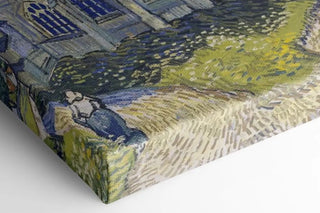
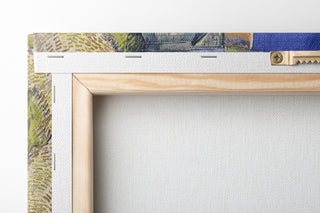
View from behind
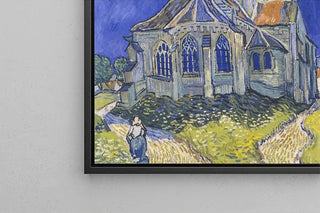
Frame (optional)
Gemmes Rupicapra rupicapra Berg Geijte Rupi Capra Chamois - Anselmus Botius de Boodt – Captivating introduction
In the vibrant universe of art history, certain works stand out for their ability to capture the very essence of nature. Among them, the art print Gemmes Rupicapra rupicapra Berg Geijte Rupi Capra Chamois by Anselmus Botius de Boodt emerges as a striking testament to wild beauty and the richness of alpine fauna. This painting, both scientific and artistic, transports us to a world where the precision of details rivals the poetry of forms. Exploring this piece, one discovers not only a homage to biodiversity but also a reflection on the relationship between man and nature.
Style and uniqueness of the work
The uniqueness of this work lies in its meticulous and realistic approach. Anselmus Botius de Boodt, naturalist and artist, manages to blend scientific observation with refined aesthetics. The gems and chamois, depicted with remarkable detail, demonstrate an in-depth understanding of animal morphology. Every element is crafted with care, from the textures of the coats to the nuances of precious stones. This attention to detail is not merely a technical demonstration but an invitation to contemplate the intrinsic beauty of nature. The vibrant colors and play of light add an almost living dimension to the work, captivating the eye and evoking wonder.
The artist and his influence
Anselmus Botius de Boodt, an emblematic figure of the Baroque period, established himself as a pioneer in the field of naturalistic representation. His work is not limited to simple illustration; it embodies a worldview where art and science coexist harmoniously. Influenced by the advances of his time, he integrated botanical and zoological knowledge into his work, making his creations objects of study as much as pieces of art. His influence extends beyond his era, inspiring many artists and scientists to explore nature with a new perspective. By redefining the boundaries between art and science, Botius de Boodt opened the
Art print Gemmes Rupicapra rupicapra Berg Geijte Rupi Capra Chamois - Anselmus Botius de Boodt

-10% FROM €95 IN PURCHASES
-15% FROM €195 IN PURCHASES
Regular price
- Unit price
- per
Free shipping
€4.90 / Free shipping on orders over €39
Satisfied or Money Back
Free returns within 30 days
10-year warranty
Our prints are guaranteed for 10 years
Any questions? We are here!
by email to contact@artemlegrand.com
THE STEPS OF YOUR ORDER

STEP 1 - ORDER PLACED
Your order has been confirmed and we are starting production
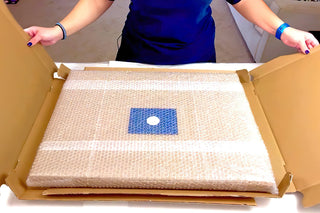
STEP 2 - SHIPPING
We ship your order. We send you an email to track the progress

STEP 3 - DELIVERY
You receive your order. You can also, according to your choice, be delivered to a relay point.
Matte finish
View from behind
Frame (optional)
Gemmes Rupicapra rupicapra Berg Geijte Rupi Capra Chamois - Anselmus Botius de Boodt – Captivating introduction
In the vibrant universe of art history, certain works stand out for their ability to capture the very essence of nature. Among them, the art print Gemmes Rupicapra rupicapra Berg Geijte Rupi Capra Chamois by Anselmus Botius de Boodt emerges as a striking testament to wild beauty and the richness of alpine fauna. This painting, both scientific and artistic, transports us to a world where the precision of details rivals the poetry of forms. Exploring this piece, one discovers not only a homage to biodiversity but also a reflection on the relationship between man and nature.
Style and uniqueness of the work
The uniqueness of this work lies in its meticulous and realistic approach. Anselmus Botius de Boodt, naturalist and artist, manages to blend scientific observation with refined aesthetics. The gems and chamois, depicted with remarkable detail, demonstrate an in-depth understanding of animal morphology. Every element is crafted with care, from the textures of the coats to the nuances of precious stones. This attention to detail is not merely a technical demonstration but an invitation to contemplate the intrinsic beauty of nature. The vibrant colors and play of light add an almost living dimension to the work, captivating the eye and evoking wonder.
The artist and his influence
Anselmus Botius de Boodt, an emblematic figure of the Baroque period, established himself as a pioneer in the field of naturalistic representation. His work is not limited to simple illustration; it embodies a worldview where art and science coexist harmoniously. Influenced by the advances of his time, he integrated botanical and zoological knowledge into his work, making his creations objects of study as much as pieces of art. His influence extends beyond his era, inspiring many artists and scientists to explore nature with a new perspective. By redefining the boundaries between art and science, Botius de Boodt opened the