
Fruit painting with a butterfly and a snail - Herman Henstenburgh | Art print


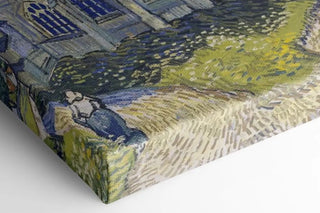
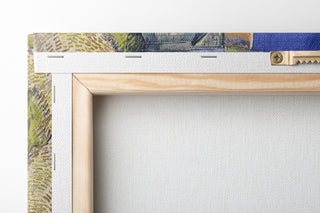
View from behind
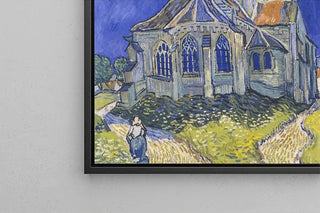
Frame (optional)
Fruits with a butterfly and a snail - Herman Henstenburgh – Captivating Introduction
In the fascinating world of still life, the artwork "Fruits with a butterfly and a snail" by Herman Henstenburgh stands out for its visual harmony and delicacy. This composition, which evokes the fleeting beauty of nature, transports us into a universe where every detail matters. The vibrant colors of the fruits, the lightness of the butterfly, and the discreet presence of the snail create a tableau that invites contemplation. Henstenburgh, a master of the 17th century, manages to capture the very essence of life through simple elements, yet charged with symbolism. This painting is much more than a mere representation; it is an invitation to reflect on the passing of time and the ephemeral beauty of our environment.
Style and uniqueness of the work
Henstenburgh's style is characterized by exceptional meticulousness and a keen sense of detail. In "Fruits with a butterfly and a snail," one can observe a remarkable mastery of light and shadow, which gives the scene an almost three-dimensional dimension. The fruits, painted with striking realism, seem almost tangible, as if they could be touched. The delicate nuances of the fruit skins, ranging from the deep red of apples to the sweetness of pears, testify to attentive observation of nature. The butterfly, for its part, adds a touch of lightness and movement, contrasting with the stability of the fruits. This interaction between living and inanimate elements creates a dynamic that makes the work captivating. Henstenburgh succeeds in establishing a perfect balance between natural beauty and the artifices of composition, making this work a true masterpiece.
The artist and his influence
Herman Henstenburgh, born in the Netherlands in the 17th century, was a prominent representative of the still life movement. His work is set within a rich artistic context, where the exploration of themes of vanity and fleeting beauty was predominant. Influenced by Flemish masters, Henstenburgh developed a personal style that combines realism and poetry. His approach to still life is not limited to a simple representation; he
Fruit painting with a butterfly and a snail - Herman Henstenburgh | Art print

-10% FROM €95 IN PURCHASES
-15% FROM €195 IN PURCHASES
Regular price
- Unit price
- per
Tax included.
Free shipping
€4.90 / Free shipping on orders over €39
Satisfied or Money Back
Free returns within 30 days
10-year warranty
Our prints are guaranteed for 10 years
Any questions? We are here!
by email to contact@artemlegrand.com
THE STEPS OF YOUR ORDER
STEP 1 - ORDER PLACED
Your order has been confirmed and we are starting production
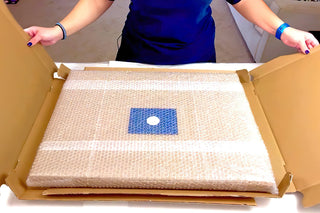
STEP 2 - SHIPPING
We ship your order. We send you an email to track the progress

STEP 3 - DELIVERY
You receive your order. You can also, according to your choice, be delivered to a relay point.
Matte finish
View from behind
Frame (optional)
Fruits with a butterfly and a snail - Herman Henstenburgh – Captivating Introduction
In the fascinating world of still life, the artwork "Fruits with a butterfly and a snail" by Herman Henstenburgh stands out for its visual harmony and delicacy. This composition, which evokes the fleeting beauty of nature, transports us into a universe where every detail matters. The vibrant colors of the fruits, the lightness of the butterfly, and the discreet presence of the snail create a tableau that invites contemplation. Henstenburgh, a master of the 17th century, manages to capture the very essence of life through simple elements, yet charged with symbolism. This painting is much more than a mere representation; it is an invitation to reflect on the passing of time and the ephemeral beauty of our environment.
Style and uniqueness of the work
Henstenburgh's style is characterized by exceptional meticulousness and a keen sense of detail. In "Fruits with a butterfly and a snail," one can observe a remarkable mastery of light and shadow, which gives the scene an almost three-dimensional dimension. The fruits, painted with striking realism, seem almost tangible, as if they could be touched. The delicate nuances of the fruit skins, ranging from the deep red of apples to the sweetness of pears, testify to attentive observation of nature. The butterfly, for its part, adds a touch of lightness and movement, contrasting with the stability of the fruits. This interaction between living and inanimate elements creates a dynamic that makes the work captivating. Henstenburgh succeeds in establishing a perfect balance between natural beauty and the artifices of composition, making this work a true masterpiece.
The artist and his influence
Herman Henstenburgh, born in the Netherlands in the 17th century, was a prominent representative of the still life movement. His work is set within a rich artistic context, where the exploration of themes of vanity and fleeting beauty was predominant. Influenced by Flemish masters, Henstenburgh developed a personal style that combines realism and poetry. His approach to still life is not limited to a simple representation; he
12,34 €