
Art print Refreshment at the fountain - Émile-Auguste Pinchart | Art print


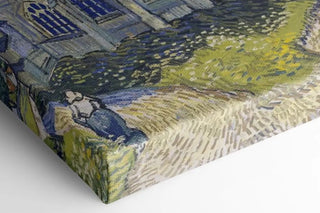
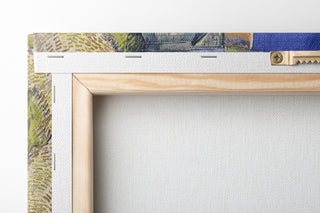
View from behind
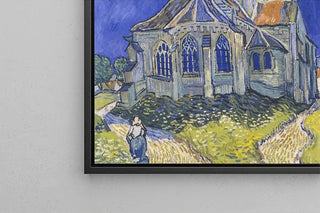
Frame (optional)
In the vast panorama of art history, some works manage to capture not only the essence of their era but also the collective imagination. "Rafraîchissement à la fontaine" by Émile-Auguste Pinchart is one of those creations that, through its delicate and lively representation, evokes an atmosphere of serenity and conviviality. This painting, which invites a sensory escape, transports us to the heart of a suspended moment where nature and humanity meet. By contemplating this piece, the viewer is invited to feel the coolness of the water and the softness of human interactions, a true homage to the beauty of simple pleasures.
Style and uniqueness of the work
Pinchart's style is distinguished by a remarkable mastery of colors and lights, which give his compositions an emotional depth. In "Rafraîchissement à la fontaine," the palette is both soft and luminous, creating a soothing atmosphere. The characters, dressed in period costumes, come to life around the fountain, a symbol of life and sharing. The fluidity of movements, as well as the way light plays on surfaces, testify to a refined technique and meticulous attention to detail. This art print does not merely depict a genre scene; it also evokes universal themes such as friendship, joy, and communion with nature. Every element, from the surrounding vegetation to the expressions of the characters, contributes to a visual narration that captivates and enchants.
The artist and his influence
Émile-Auguste Pinchart, a French artist of the 19th century, is often associated with the realist movement, which seeks to depict daily life with veracity and sensitivity. Influenced by the masters of his time, he developed a personal style that combines the rigor of observation with a touch of romanticism. His work reflects a deep understanding of human interactions and their environment, allowing him to create scenes filled with poetry and emotion. Pinchart was also a privileged witness to the social evolutions of his era, and his paintings are often considered windows into the life of the 19th-century bourgeoisie.
Art print Refreshment at the fountain - Émile-Auguste Pinchart | Art print

-10% FROM €95 IN PURCHASES
-15% FROM €195 IN PURCHASES
Regular price
- Unit price
- by
Free shipping
€4.90 / Free shipping on orders over €39
Satisfied or Money Back
Free returns within 30 days
10-year warranty
Our prints are guaranteed for 10 years
Any questions? We are here!
by email to contact@artemlegrand.com
THE STEPS OF YOUR ORDER
STEP 1 - ORDER PLACED
Your order has been confirmed and we are starting production
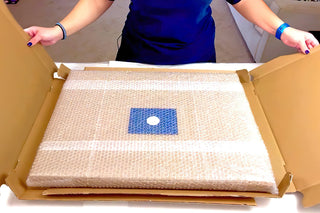
STEP 2 - SHIPPING
We ship your order. We send you an email to track the progress

STEP 3 - DELIVERY
You receive your order. You can also, according to your choice, be delivered to a relay point.
Matte finish
View from behind
Frame (optional)
In the vast panorama of art history, some works manage to capture not only the essence of their era but also the collective imagination. "Rafraîchissement à la fontaine" by Émile-Auguste Pinchart is one of those creations that, through its delicate and lively representation, evokes an atmosphere of serenity and conviviality. This painting, which invites a sensory escape, transports us to the heart of a suspended moment where nature and humanity meet. By contemplating this piece, the viewer is invited to feel the coolness of the water and the softness of human interactions, a true homage to the beauty of simple pleasures.
Style and uniqueness of the work
Pinchart's style is distinguished by a remarkable mastery of colors and lights, which give his compositions an emotional depth. In "Rafraîchissement à la fontaine," the palette is both soft and luminous, creating a soothing atmosphere. The characters, dressed in period costumes, come to life around the fountain, a symbol of life and sharing. The fluidity of movements, as well as the way light plays on surfaces, testify to a refined technique and meticulous attention to detail. This art print does not merely depict a genre scene; it also evokes universal themes such as friendship, joy, and communion with nature. Every element, from the surrounding vegetation to the expressions of the characters, contributes to a visual narration that captivates and enchants.
The artist and his influence
Émile-Auguste Pinchart, a French artist of the 19th century, is often associated with the realist movement, which seeks to depict daily life with veracity and sensitivity. Influenced by the masters of his time, he developed a personal style that combines the rigor of observation with a touch of romanticism. His work reflects a deep understanding of human interactions and their environment, allowing him to create scenes filled with poetry and emotion. Pinchart was also a privileged witness to the social evolutions of his era, and his paintings are often considered windows into the life of the 19th-century bourgeoisie.