
Art print of The Foreign Almoners Found in the Three Parts of the World: Asia, Africa, and America, pl41 - Pieter Cramer


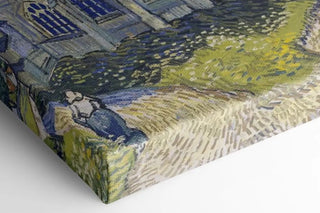
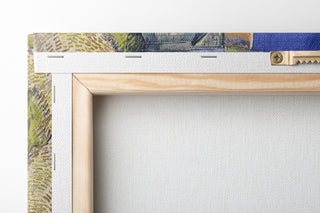
View from behind
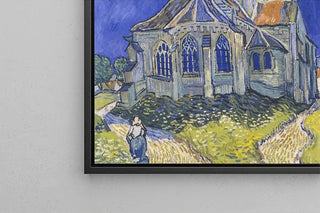
Frame (optional)
In the fascinating universe of art, some works manage to transcend the simple framework of representation to offer a true journey through time and space. The art print Les aumôniers étrangers trouvés dans les trois parties du monde Asie, Afrique et Amérique pl41 - Pieter Cramer is one of these creations that, through its rich iconography and narrative depth, invites the viewer to full immersion. This piece, while evoking universal themes of humanity, highlights the diversity of cultures and traditions, celebrating the meeting of civilizations. Contemplating this work transports us to a world where art becomes a vehicle for dialogue between peoples.
Style and uniqueness of the work
Pieter Cramer's style is distinguished by remarkable meticulousness and particular attention to detail. Every character, every element of the decor is treated with care that reveals the artist's technical mastery. The composition of the work demonstrates a harmonious balance between the different figures, creating a captivating visual dynamic. Cramer uses a rich and nuanced color palette, evoking both the warmth of the lands of Asia, Africa, and America, and the depth of human emotions. The work is characterized by powerful visual storytelling, where each aumôniers, with their specific attributes, tells a unique story while contributing to a collective narrative. This blend of realism and idealism makes this piece a striking example of narrative art, where aesthetics serve as a support for a broader message about solidarity and mutual aid on a global scale.
The artist and his influence
Pieter Cramer, an emblematic figure of his time, managed to establish himself as a visionary artist, capable of capturing the very essence of the cultures he represents. His work is not limited to a simple depiction of the aumôniers, but extends to a deep reflection on identity and diversity. Cramer was influenced by the artistic currents of his era, while developing a personal approach that is uniquely his own. His interest in anthropology and intercultural exchanges fueled his
Art print of The Foreign Almoners Found in the Three Parts of the World: Asia, Africa, and America, pl41 - Pieter Cramer

-10% FROM €95 IN PURCHASES
-15% FROM €195 IN PURCHASES
Regular price
- Unit price
- per
Tax included.
Free shipping
€4.90 / Free shipping on orders over €39
Satisfied or Money Back
Free returns within 30 days
10-year warranty
Our prints are guaranteed for 10 years
Any questions? We are here!
by email to contact@artemlegrand.com
THE STEPS OF YOUR ORDER

STEP 1 - ORDER PLACED
Your order has been confirmed and we are starting production
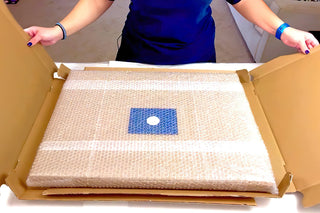
STEP 2 - SHIPPING
We ship your order. We send you an email to track the progress

STEP 3 - DELIVERY
You receive your order. You can also, according to your choice, be delivered to a relay point.
Matte finish
View from behind
Frame (optional)
In the fascinating universe of art, some works manage to transcend the simple framework of representation to offer a true journey through time and space. The art print Les aumôniers étrangers trouvés dans les trois parties du monde Asie, Afrique et Amérique pl41 - Pieter Cramer is one of these creations that, through its rich iconography and narrative depth, invites the viewer to full immersion. This piece, while evoking universal themes of humanity, highlights the diversity of cultures and traditions, celebrating the meeting of civilizations. Contemplating this work transports us to a world where art becomes a vehicle for dialogue between peoples.
Style and uniqueness of the work
Pieter Cramer's style is distinguished by remarkable meticulousness and particular attention to detail. Every character, every element of the decor is treated with care that reveals the artist's technical mastery. The composition of the work demonstrates a harmonious balance between the different figures, creating a captivating visual dynamic. Cramer uses a rich and nuanced color palette, evoking both the warmth of the lands of Asia, Africa, and America, and the depth of human emotions. The work is characterized by powerful visual storytelling, where each aumôniers, with their specific attributes, tells a unique story while contributing to a collective narrative. This blend of realism and idealism makes this piece a striking example of narrative art, where aesthetics serve as a support for a broader message about solidarity and mutual aid on a global scale.
The artist and his influence
Pieter Cramer, an emblematic figure of his time, managed to establish himself as a visionary artist, capable of capturing the very essence of the cultures he represents. His work is not limited to a simple depiction of the aumôniers, but extends to a deep reflection on identity and diversity. Cramer was influenced by the artistic currents of his era, while developing a personal approach that is uniquely his own. His interest in anthropology and intercultural exchanges fueled his
12,34 €