
Art print Butterflies from different countries present on the three continents Asia, Africa, and America Pl142 - Pieter Cramer


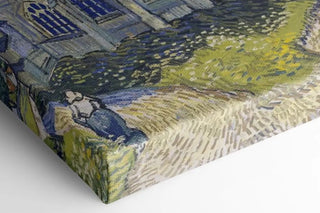
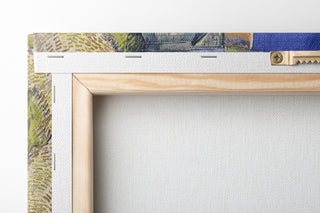
View from behind
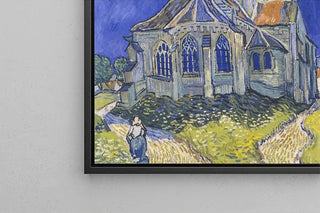
Frame (optional)
In the rich and complex universe of art, certain works stand out for their ability to capture the imagination and awaken the senses. The art print Papillons étrangers présents sur les trois continents Asie Afrique et Amérique Pl142 - Pieter Cramer is a perfect example. This painting, which illustrates the beauty and diversity of butterflies, takes us on a journey across continents, while celebrating nature and science. Indeed, Pieter Cramer's art goes beyond simple insect depiction, fitting into a broader context of exploration and discovery, where natural beauty blends with intellectual curiosity.
Style and uniqueness of the work
What immediately strikes in this art print is the extreme precision and attention to detail that characterize each butterfly. Cramer, a true naturalist, manages to pay homage to the delicacy and variety of the species he depicts. The vibrant colors and complex patterns of the butterfly wings are rendered with such meticulousness that they almost seem to come alive. Through this art print, the artist succeeds in establishing a dialogue between art and science, highlighting not only the aesthetic of these creatures but also their ecological importance. The composition, carefully orchestrated, allows for juxtaposition of different species while creating visual harmony, making this work a true masterpiece of nature.
The artist and his influence
Pieter Cramer, born in the 17th century, is often recognized for his contribution to entomology through art. His passion for studying insects, particularly butterflies, led him to become an essential figure in the field of naturalist illustration. Cramer was able to combine his love of nature with his artistic talent, creating works that are both informative and aesthetic. His influence endures today, inspiring many artists and scientists to explore the beauty of the natural world. By focusing on butterflies, he not only enriched the corpus of naturalist art but also raised public awareness about the need to preserve biodiversity. Thus, his art resonates as a call to wonderment.
Art print Butterflies from different countries present on the three continents Asia, Africa, and America Pl142 - Pieter Cramer

-10% FROM €95 IN PURCHASES
-15% FROM €195 IN PURCHASES
Regular price
- Unit price
- per
Tax included.
Free shipping
€4.90 / Free shipping on orders over €39
Satisfied or Money Back
Free returns within 30 days
10-year warranty
Our prints are guaranteed for 10 years
Any questions? We are here!
by email to contact@artemlegrand.com
THE STEPS OF YOUR ORDER

STEP 1 - ORDER PLACED
Your order has been confirmed and we are starting production
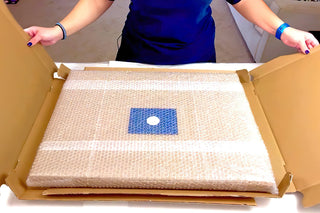
STEP 2 - SHIPPING
We ship your order. We send you an email to track the progress

STEP 3 - DELIVERY
You receive your order. You can also, according to your choice, be delivered to a relay point.
Matte finish
View from behind
Frame (optional)
In the rich and complex universe of art, certain works stand out for their ability to capture the imagination and awaken the senses. The art print Papillons étrangers présents sur les trois continents Asie Afrique et Amérique Pl142 - Pieter Cramer is a perfect example. This painting, which illustrates the beauty and diversity of butterflies, takes us on a journey across continents, while celebrating nature and science. Indeed, Pieter Cramer's art goes beyond simple insect depiction, fitting into a broader context of exploration and discovery, where natural beauty blends with intellectual curiosity.
Style and uniqueness of the work
What immediately strikes in this art print is the extreme precision and attention to detail that characterize each butterfly. Cramer, a true naturalist, manages to pay homage to the delicacy and variety of the species he depicts. The vibrant colors and complex patterns of the butterfly wings are rendered with such meticulousness that they almost seem to come alive. Through this art print, the artist succeeds in establishing a dialogue between art and science, highlighting not only the aesthetic of these creatures but also their ecological importance. The composition, carefully orchestrated, allows for juxtaposition of different species while creating visual harmony, making this work a true masterpiece of nature.
The artist and his influence
Pieter Cramer, born in the 17th century, is often recognized for his contribution to entomology through art. His passion for studying insects, particularly butterflies, led him to become an essential figure in the field of naturalist illustration. Cramer was able to combine his love of nature with his artistic talent, creating works that are both informative and aesthetic. His influence endures today, inspiring many artists and scientists to explore the beauty of the natural world. By focusing on butterflies, he not only enriched the corpus of naturalist art but also raised public awareness about the need to preserve biodiversity. Thus, his art resonates as a call to wonderment.
12,34 €