
Art print Butterflies from abroad present on the three continents Asia Africa and America Pl133 - Pieter Cramer


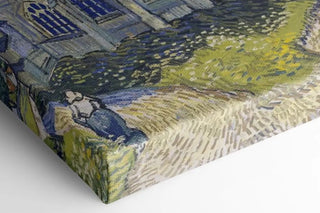
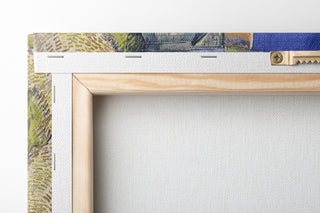
View from behind
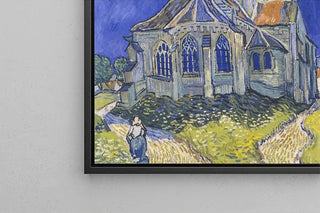
Frame (optional)
Reproduction Papillons étrangers présents sur les trois continents Asie Afrique et Amérique Pl133 - Pieter Cramer – Introduction captivante
The artwork "Papillons étrangers présents sur les trois continents Asie Afrique et Amérique Pl133" by Pieter Cramer is part of an artistic tradition that combines science and aesthetics. This painting, a true ode to biodiversity, transports us through the wonders of butterflies, symbols of beauty and transformation. Cramer, as a naturalist and artist, invites us to explore the richness of species that inhabit our planet, while celebrating the delicacy and fragility of these ephemeral creatures. This piece, both documentary and poetic, reminds us of the importance of nature in our daily lives and the urgency of its preservation.
Style and uniqueness of the work
Pieter Cramer's style is distinguished by remarkable precision and attention to detail that reflect his commitment to scientific observation. Each butterfly is depicted with meticulous care, allowing us to appreciate not only the vibrant and varied colors of their wings but also the textures and patterns that make them unique. The composition of the work, although centered on insects, is balanced and harmonious, creating a dialogue between different species. Cramer manages to capture not only the external appearance of the butterflies but also their essence, placing them in poses that suggest movement and life. This artistic approach, blending science and aesthetics, makes this piece an emblematic example of 18th-century naturalist art.
The artist and his influence
Pieter Cramer, born in 1722, is an emblematic figure of naturalist art. His work goes beyond simple insect representation; it embodies a quest for knowledge and understanding of the natural world. As a member of the Society of Natural History, Cramer contributed to the classification and study of butterflies, which allowed him to combine his passion for art with scientific interest. His work influenced not only his contemporaries but also subsequent generations of artists and scientists. By documenting the diversity of species, he paved the way for a new appreciation of nature, encouraging awareness of conservation. His legacy endures, and his influence is still felt today.
Art print Butterflies from abroad present on the three continents Asia Africa and America Pl133 - Pieter Cramer

-10% FROM €95 IN PURCHASES
-15% FROM €195 IN PURCHASES
Regular price
- Unit price
- per
Tax included.
Free shipping
€4.90 / Free shipping on orders over €39
Satisfied or Money Back
Free returns within 30 days
10-year warranty
Our prints are guaranteed for 10 years
Any questions? We are here!
by email to contact@artemlegrand.com
THE STEPS OF YOUR ORDER

STEP 1 - ORDER PLACED
Your order has been confirmed and we are starting production
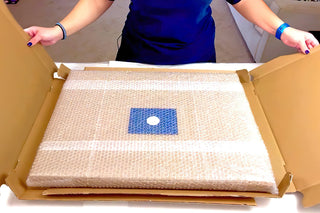
STEP 2 - SHIPPING
We ship your order. We send you an email to track the progress

STEP 3 - DELIVERY
You receive your order. You can also, according to your choice, be delivered to a relay point.
Matte finish
View from behind
Frame (optional)
Reproduction Papillons étrangers présents sur les trois continents Asie Afrique et Amérique Pl133 - Pieter Cramer – Introduction captivante
The artwork "Papillons étrangers présents sur les trois continents Asie Afrique et Amérique Pl133" by Pieter Cramer is part of an artistic tradition that combines science and aesthetics. This painting, a true ode to biodiversity, transports us through the wonders of butterflies, symbols of beauty and transformation. Cramer, as a naturalist and artist, invites us to explore the richness of species that inhabit our planet, while celebrating the delicacy and fragility of these ephemeral creatures. This piece, both documentary and poetic, reminds us of the importance of nature in our daily lives and the urgency of its preservation.
Style and uniqueness of the work
Pieter Cramer's style is distinguished by remarkable precision and attention to detail that reflect his commitment to scientific observation. Each butterfly is depicted with meticulous care, allowing us to appreciate not only the vibrant and varied colors of their wings but also the textures and patterns that make them unique. The composition of the work, although centered on insects, is balanced and harmonious, creating a dialogue between different species. Cramer manages to capture not only the external appearance of the butterflies but also their essence, placing them in poses that suggest movement and life. This artistic approach, blending science and aesthetics, makes this piece an emblematic example of 18th-century naturalist art.
The artist and his influence
Pieter Cramer, born in 1722, is an emblematic figure of naturalist art. His work goes beyond simple insect representation; it embodies a quest for knowledge and understanding of the natural world. As a member of the Society of Natural History, Cramer contributed to the classification and study of butterflies, which allowed him to combine his passion for art with scientific interest. His work influenced not only his contemporaries but also subsequent generations of artists and scientists. By documenting the diversity of species, he paved the way for a new appreciation of nature, encouraging awareness of conservation. His legacy endures, and his influence is still felt today.
12,34 €