
Art print Butterflies from different countries present on the three continents Asia, Africa, and America Pl125 - Pieter Cramer


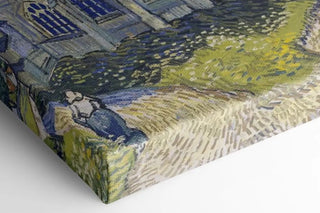
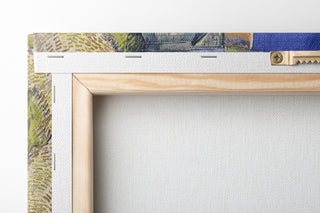
View from behind
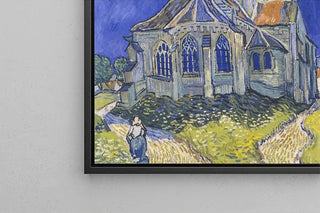
Frame (optional)
In the vast panorama of naturalist art, the piece titled "Papillons étrangers présents sur les trois continents Asie Afrique et Amérique Pl125" by Pieter Cramer stands out for its delicacy and precision. This work, a true ode to the beauty of insects, invites us to explore the richness of biodiversity across continents. Immersing oneself in this art print, the viewer is transported to a world where nature is celebrated with an almost scientific meticulousness, while maintaining an undeniable aesthetic dimension. The vibrant colors and delicate shapes of the butterflies capture the eye and spark curiosity, making this piece a must-have for art and nature enthusiasts.
Style and uniqueness of the work
Pieter Cramer's style is characterized by meticulous attention to detail and a systematic approach to depicting species. In "Papillons étrangers présents sur les trois continents Asie Afrique et Amérique Pl125," each butterfly is illustrated with an ornithological accuracy that reflects a deep respect for nature. The nuances of colors, ranging from pastel shades to brighter hues, create a striking contrast that makes each insect unique. The composition of the work is also remarkable: the butterflies are arranged to evoke graceful flight, as if they are about to take off from the paper. This dynamic gives life to the piece, allowing the viewer to feel the energy and lightness that characterize these ephemeral creatures. Cramer manages to combine scientific rigor with artistic sensitivity, making his work an emblematic example of 18th-century naturalist art.
The artist and his influence
Pieter Cramer, a renowned entomologist and artist, left an indelible mark in the world of art and science. Born in the Netherlands, he dedicated his life to the study of butterflies, combining his passions for biology and art. His monumental work, "De Uitlandsche Kapellen," not only contributed to the classification of species but also influenced many artists and scientists of his time. Cramer successfully bridged the gap between scientific observation and
Art print Butterflies from different countries present on the three continents Asia, Africa, and America Pl125 - Pieter Cramer

-10% FROM €95 IN PURCHASES
-15% FROM €195 IN PURCHASES
Regular price
- Unit price
- per
Tax included.
Free shipping
€4.90 / Free shipping on orders over €39
Satisfied or Money Back
Free returns within 30 days
10-year warranty
Our prints are guaranteed for 10 years
Any questions? We are here!
by email to contact@artemlegrand.com
THE STEPS OF YOUR ORDER

STEP 1 - ORDER PLACED
Your order has been confirmed and we are starting production
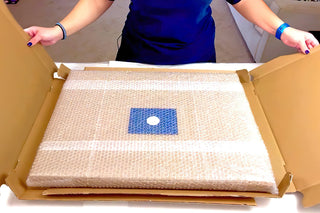
STEP 2 - SHIPPING
We ship your order. We send you an email to track the progress

STEP 3 - DELIVERY
You receive your order. You can also, according to your choice, be delivered to a relay point.
Matte finish
View from behind
Frame (optional)
In the vast panorama of naturalist art, the piece titled "Papillons étrangers présents sur les trois continents Asie Afrique et Amérique Pl125" by Pieter Cramer stands out for its delicacy and precision. This work, a true ode to the beauty of insects, invites us to explore the richness of biodiversity across continents. Immersing oneself in this art print, the viewer is transported to a world where nature is celebrated with an almost scientific meticulousness, while maintaining an undeniable aesthetic dimension. The vibrant colors and delicate shapes of the butterflies capture the eye and spark curiosity, making this piece a must-have for art and nature enthusiasts.
Style and uniqueness of the work
Pieter Cramer's style is characterized by meticulous attention to detail and a systematic approach to depicting species. In "Papillons étrangers présents sur les trois continents Asie Afrique et Amérique Pl125," each butterfly is illustrated with an ornithological accuracy that reflects a deep respect for nature. The nuances of colors, ranging from pastel shades to brighter hues, create a striking contrast that makes each insect unique. The composition of the work is also remarkable: the butterflies are arranged to evoke graceful flight, as if they are about to take off from the paper. This dynamic gives life to the piece, allowing the viewer to feel the energy and lightness that characterize these ephemeral creatures. Cramer manages to combine scientific rigor with artistic sensitivity, making his work an emblematic example of 18th-century naturalist art.
The artist and his influence
Pieter Cramer, a renowned entomologist and artist, left an indelible mark in the world of art and science. Born in the Netherlands, he dedicated his life to the study of butterflies, combining his passions for biology and art. His monumental work, "De Uitlandsche Kapellen," not only contributed to the classification of species but also influenced many artists and scientists of his time. Cramer successfully bridged the gap between scientific observation and
12,34 €