
Painting Papillons étrangers présents sur les trois continents Asie Afrique et Amérique Pl109 - Pieter Cramer | Art print


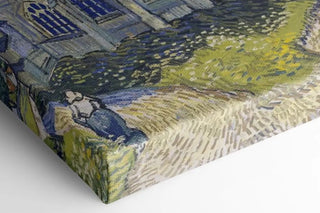
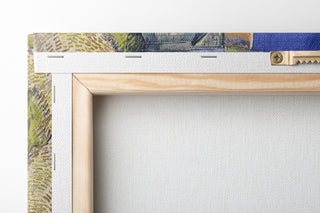
View from behind
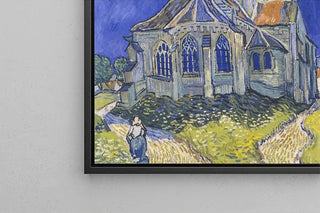
Frame (optional)
In the vast world of art, some works stand out for their ability to capture the very essence of nature. "Foreign butterflies present on the three continents Asia, Africa, and America Pl109 - Pieter Cramer" is one of those creations that transcends a simple painting to become a window into biodiversity. This piece, rich in colors and details, evokes not only the beauty of butterflies but also the fragile harmony that unites the continents. Immersing oneself in this work, the viewer is transported to a universe where each species is celebrated, and every shade of color is a tribute to nature.
Style and uniqueness of the work
Pieter Cramer's style is characterized by a meticulous approach and an attention to detail that borders on realism. His butterfly illustrations are not only faithful representations but also reveal a rare artistic sensitivity. The vibrant colors and delicate patterns of the butterfly wings are rendered with a precision that fascinates. Cramer manages to breathe an almost palpable life into his subjects, allowing the viewer to appreciate the diversity and complexity of these winged creatures. The work invites prolonged contemplation, where each glance reveals new subtleties, hidden nuances that testify to the artist's undeniable talent. The composition itself, carefully arranged, offers a harmonious balance between the different species, creating a visual dance that captivates the eye.
The artist and his influence
Pieter Cramer, naturalist and artist of the 18th century, played a vital role in the study and documentation of butterflies. His work was influenced by the scientific discoveries of his time but also by a deep desire to share the beauty of the natural world. By combining art and science, Cramer paved the way for a new way of understanding biodiversity, making his works references for both artists and scientists. His innovative approach has inspired many contemporary artists to explore nature from a new perspective, blending aesthetics and knowledge. The impact of his work is still felt today, as art and science continue to dialogue to raise public awareness about the
Painting Papillons étrangers présents sur les trois continents Asie Afrique et Amérique Pl109 - Pieter Cramer | Art print

-10% FROM €95 IN PURCHASES
-15% FROM €195 IN PURCHASES
Regular price
- Unit price
- per
Tax included.
Free shipping
€4.90 / Free shipping on orders over €39
Satisfied or Money Back
Free returns within 30 days
10-year warranty
Our prints are guaranteed for 10 years
Any questions? We are here!
by email to contact@artemlegrand.com
THE STEPS OF YOUR ORDER

STEP 1 - ORDER PLACED
Your order has been confirmed and we are starting production
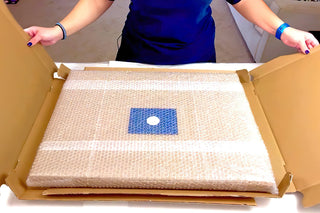
STEP 2 - SHIPPING
We ship your order. We send you an email to track the progress

STEP 3 - DELIVERY
You receive your order. You can also, according to your choice, be delivered to a relay point.
Matte finish
View from behind
Frame (optional)
In the vast world of art, some works stand out for their ability to capture the very essence of nature. "Foreign butterflies present on the three continents Asia, Africa, and America Pl109 - Pieter Cramer" is one of those creations that transcends a simple painting to become a window into biodiversity. This piece, rich in colors and details, evokes not only the beauty of butterflies but also the fragile harmony that unites the continents. Immersing oneself in this work, the viewer is transported to a universe where each species is celebrated, and every shade of color is a tribute to nature.
Style and uniqueness of the work
Pieter Cramer's style is characterized by a meticulous approach and an attention to detail that borders on realism. His butterfly illustrations are not only faithful representations but also reveal a rare artistic sensitivity. The vibrant colors and delicate patterns of the butterfly wings are rendered with a precision that fascinates. Cramer manages to breathe an almost palpable life into his subjects, allowing the viewer to appreciate the diversity and complexity of these winged creatures. The work invites prolonged contemplation, where each glance reveals new subtleties, hidden nuances that testify to the artist's undeniable talent. The composition itself, carefully arranged, offers a harmonious balance between the different species, creating a visual dance that captivates the eye.
The artist and his influence
Pieter Cramer, naturalist and artist of the 18th century, played a vital role in the study and documentation of butterflies. His work was influenced by the scientific discoveries of his time but also by a deep desire to share the beauty of the natural world. By combining art and science, Cramer paved the way for a new way of understanding biodiversity, making his works references for both artists and scientists. His innovative approach has inspired many contemporary artists to explore nature from a new perspective, blending aesthetics and knowledge. The impact of his work is still felt today, as art and science continue to dialogue to raise public awareness about the
12,34 €