
Art print Butterflies from abroad present on the three continents Asia Africa and America Pl104 - Pieter Cramer


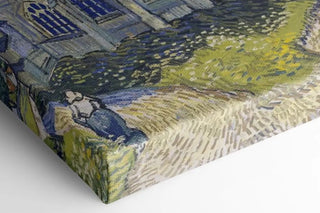
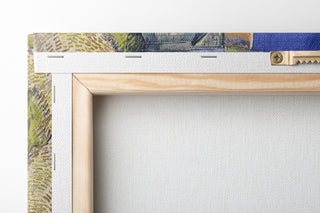
View from behind
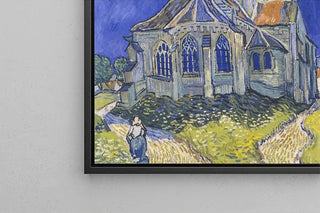
Frame (optional)
In the fascinating world of naturalist art, Pieter Cramer's "Papillons étrangers présents sur les trois continents Asie Afrique et Amérique Pl104" stands out for its beauty and precision. This meticulous depiction of butterflies, which unfolds as an ode to species diversity, invites viewers on a visual journey across continents. Cramer's art, rooted in the 18th century, serves as a testament to the wonder of that era in the face of nature. Owning an art print of this work allows you to appreciate not only the finesse of the details but also the harmony of colors that captivate the eye and awaken the senses.
Style and uniqueness of the work
Cramer's work is characterized by a scientific and artistic approach that transcends simple representations. Each butterfly is treated with meticulous care, revealing delicate textures and shades of color that pay homage to the richness of the natural world. The composition, skillfully orchestrated, juxtaposes different species while respecting their individuality. Subtle backgrounds highlight the main subjects, creating an atmosphere of lightness and grace. The way the butterflies seem to float in space demonstrates exceptional mastery of movement and light, hallmarks of Cramer's style. This art print is not just a simple illustration; it becomes a visual poem, celebrating the ephemeral beauty of life.
The artist and his influence
Pieter Cramer, entomologist and artist, marked his era with his innovative approach to naturalist art. Trained in a context where science and art were closely linked, he knew how to combine these two disciplines to create works of unparalleled precision. His work not only contributed to documenting butterfly species but also influenced many artists and naturalists who followed. Cramer paved the way for a new way of seeing nature, where aesthetics and science come together to offer a deeper understanding of biodiversity. His legacy endures in the art world, inspiring those who are interested in the beauty of living things even today.
Art print Butterflies from abroad present on the three continents Asia Africa and America Pl104 - Pieter Cramer

-10% FROM €95 IN PURCHASES
-15% FROM €195 IN PURCHASES
Regular price
- Unit price
- per
Tax included.
Free shipping
€4.90 / Free shipping on orders over €39
Satisfied or Money Back
Free returns within 30 days
10-year warranty
Our prints are guaranteed for 10 years
Any questions? We are here!
by email to contact@artemlegrand.com
THE STEPS OF YOUR ORDER

STEP 1 - ORDER PLACED
Your order has been confirmed and we are starting production
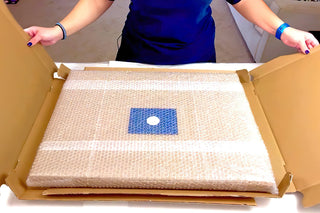
STEP 2 - SHIPPING
We ship your order. We send you an email to track the progress

STEP 3 - DELIVERY
You receive your order. You can also, according to your choice, be delivered to a relay point.
Matte finish
View from behind
Frame (optional)
In the fascinating world of naturalist art, Pieter Cramer's "Papillons étrangers présents sur les trois continents Asie Afrique et Amérique Pl104" stands out for its beauty and precision. This meticulous depiction of butterflies, which unfolds as an ode to species diversity, invites viewers on a visual journey across continents. Cramer's art, rooted in the 18th century, serves as a testament to the wonder of that era in the face of nature. Owning an art print of this work allows you to appreciate not only the finesse of the details but also the harmony of colors that captivate the eye and awaken the senses.
Style and uniqueness of the work
Cramer's work is characterized by a scientific and artistic approach that transcends simple representations. Each butterfly is treated with meticulous care, revealing delicate textures and shades of color that pay homage to the richness of the natural world. The composition, skillfully orchestrated, juxtaposes different species while respecting their individuality. Subtle backgrounds highlight the main subjects, creating an atmosphere of lightness and grace. The way the butterflies seem to float in space demonstrates exceptional mastery of movement and light, hallmarks of Cramer's style. This art print is not just a simple illustration; it becomes a visual poem, celebrating the ephemeral beauty of life.
The artist and his influence
Pieter Cramer, entomologist and artist, marked his era with his innovative approach to naturalist art. Trained in a context where science and art were closely linked, he knew how to combine these two disciplines to create works of unparalleled precision. His work not only contributed to documenting butterfly species but also influenced many artists and naturalists who followed. Cramer paved the way for a new way of seeing nature, where aesthetics and science come together to offer a deeper understanding of biodiversity. His legacy endures in the art world, inspiring those who are interested in the beauty of living things even today.
12,34 €