
Art print Butterflies from different countries present on the three continents Asia, Africa, and America Pl093 - Pieter Cramer


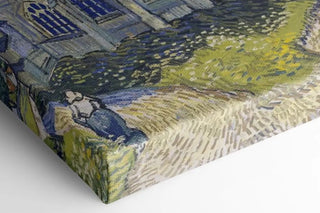
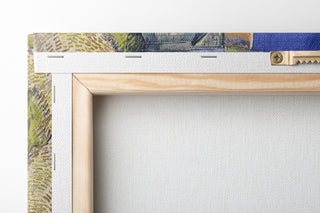
View from behind
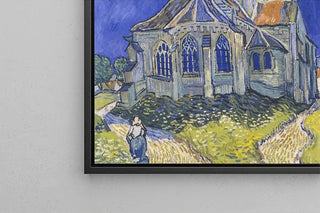
Frame (optional)
In the enchanting world of art, some works transcend mere representation to become windows into the beauty of nature. The art print Papillons étrangers présents sur les trois continents Asie Afrique et Amérique Pl093 - Pieter Cramer is a perfect example. This painting, rich in colors and details, takes us on a visual journey across continents, revealing the diversity and delicacy of the butterflies that inhabit our planet. Each outstretched wing seems to whisper ancient stories of biodiversity, while the viewer's gaze is captivated by the harmony of shapes and hues. Cramer, through his talent, manages to capture the very essence of these ephemeral creatures, inviting everyone to marvel at their splendor.
Style and uniqueness of the work
Pieter Cramer's style is distinguished by its meticulousness and keen sense of observation. In this piece, he does not merely reproduce butterflies; he immortalizes them in all their magnificence. Each species is rendered with scientific precision that reflects an in-depth knowledge of the subject. The vibrant colors, ranging from dazzling shades to more subtle tones, create a striking contrast that draws the eye. Cramer skillfully uses light and shadow to bring his subjects to life, making them almost tangible. The carefully orchestrated composition allows for a smooth flow of the gaze, guiding the viewer through an imaginary garden where each butterfly tells its own story. This painting is a true ode to nature, a celebration of the fragile beauty that surrounds us.
The artist and his influence
Pieter Cramer, an emblematic figure of the 18th century, is recognized not only for his talent as a painter but also for his contribution to entomology. His passion for insects and his desire to depict them faithfully led him to create works that combine art and science. Cramer captured the imagination of his era, a time when curiosity about the natural world was booming. His approach influenced many artists and scientists, laying the foundations for a new way of
Art print Butterflies from different countries present on the three continents Asia, Africa, and America Pl093 - Pieter Cramer

-10% FROM €95 IN PURCHASES
-15% FROM €195 IN PURCHASES
Regular price
- Unit price
- per
Tax included.
Free shipping
€4.90 / Free shipping on orders over €39
Satisfied or Money Back
Free returns within 30 days
10-year warranty
Our prints are guaranteed for 10 years
Any questions? We are here!
by email to contact@artemlegrand.com
THE STEPS OF YOUR ORDER

STEP 1 - ORDER PLACED
Your order has been confirmed and we are starting production
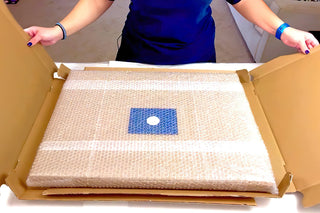
STEP 2 - SHIPPING
We ship your order. We send you an email to track the progress

STEP 3 - DELIVERY
You receive your order. You can also, according to your choice, be delivered to a relay point.
Matte finish
View from behind
Frame (optional)
In the enchanting world of art, some works transcend mere representation to become windows into the beauty of nature. The art print Papillons étrangers présents sur les trois continents Asie Afrique et Amérique Pl093 - Pieter Cramer is a perfect example. This painting, rich in colors and details, takes us on a visual journey across continents, revealing the diversity and delicacy of the butterflies that inhabit our planet. Each outstretched wing seems to whisper ancient stories of biodiversity, while the viewer's gaze is captivated by the harmony of shapes and hues. Cramer, through his talent, manages to capture the very essence of these ephemeral creatures, inviting everyone to marvel at their splendor.
Style and uniqueness of the work
Pieter Cramer's style is distinguished by its meticulousness and keen sense of observation. In this piece, he does not merely reproduce butterflies; he immortalizes them in all their magnificence. Each species is rendered with scientific precision that reflects an in-depth knowledge of the subject. The vibrant colors, ranging from dazzling shades to more subtle tones, create a striking contrast that draws the eye. Cramer skillfully uses light and shadow to bring his subjects to life, making them almost tangible. The carefully orchestrated composition allows for a smooth flow of the gaze, guiding the viewer through an imaginary garden where each butterfly tells its own story. This painting is a true ode to nature, a celebration of the fragile beauty that surrounds us.
The artist and his influence
Pieter Cramer, an emblematic figure of the 18th century, is recognized not only for his talent as a painter but also for his contribution to entomology. His passion for insects and his desire to depict them faithfully led him to create works that combine art and science. Cramer captured the imagination of his era, a time when curiosity about the natural world was booming. His approach influenced many artists and scientists, laying the foundations for a new way of
12,34 €