
Painting Papillons étrangers présents sur les trois continents Asie, Afrique et Amérique pl003 - Pieter Cramer | Art print


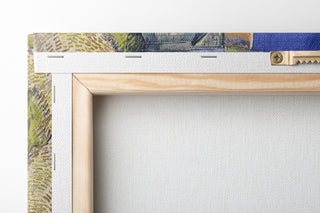
View from behind
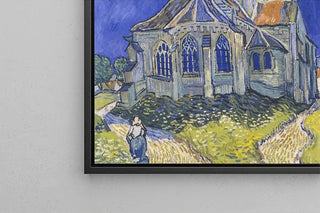
Frame (optional)
The artwork titled "Papillons étrangers présents sur les trois continents Asia, Africa et America pl003" by Pieter Cramer is a true ode to the beauty and diversity of the natural world. Through this delicate illustration, the artist invites us to explore a universe rich in colors and shapes, where each butterfly becomes a symbol of the richness of biodiversity. Cramer, as a naturalist and artist, manages to capture the very essence of these ephemeral creatures, revealing the depth of his observation and his respect for nature. This piece does not merely depict insects; it also evokes a reflection on the interconnection of continents and ecosystems, a theme of urgent relevance in an era where the preservation of biodiversity is more important than ever.
Style and uniqueness of the work
Pieter Cramer's style is distinguished by striking realism, combined with a finesse of execution that gives his works an almost scientific dimension. In "Papillons étrangers présents sur les trois continents," every detail is meticulously rendered, from the veins of the wings to the shades of color that seem to vibrate under the light. The artist uses a varied palette of colors, ranging from delicate pastels to more vivid hues, creating a striking contrast that draws the eye. The composition of the piece, both balanced and dynamic, allows each butterfly to be highlighted while creating an overall harmony. This attention to detail and composition makes this artwork a perfect example of 18th-century naturalist art, where aesthetics and science come together to offer a faithful representation of the living world.
The artist and his influence
Pieter Cramer, born in 1720 and deceased in 1776, is an emblematic figure of naturalist art. His passion for entomology led him to create illustrations that have become references in the field. Cramer not only documented the diversity of butterflies but also contributed to the scientific understanding of these insects through his illustrative work. His influence extends beyond the boundaries of art, also touching the field of biology.
Painting Papillons étrangers présents sur les trois continents Asie, Afrique et Amérique pl003 - Pieter Cramer | Art print

-10% FROM €95 IN PURCHASES
-15% FROM €195 IN PURCHASES
Regular price
- Unit price
- per
Tax included.
Free shipping
€4.90 / Free shipping on orders over €39
Satisfied or Money Back
Free returns within 30 days
10-year warranty
Our prints are guaranteed for 10 years
Any questions? We are here!
by email to contact@artemlegrand.com
THE STEPS OF YOUR ORDER

STEP 1 - ORDER PLACED
Your order has been confirmed and we are starting production

STEP 2 - SHIPPING
We ship your order. We send you an email to track the progress

STEP 3 - DELIVERY
You receive your order. You can also, according to your choice, be delivered to a relay point.
Matte finish
View from behind
Frame (optional)
The artwork titled "Papillons étrangers présents sur les trois continents Asia, Africa et America pl003" by Pieter Cramer is a true ode to the beauty and diversity of the natural world. Through this delicate illustration, the artist invites us to explore a universe rich in colors and shapes, where each butterfly becomes a symbol of the richness of biodiversity. Cramer, as a naturalist and artist, manages to capture the very essence of these ephemeral creatures, revealing the depth of his observation and his respect for nature. This piece does not merely depict insects; it also evokes a reflection on the interconnection of continents and ecosystems, a theme of urgent relevance in an era where the preservation of biodiversity is more important than ever.
Style and uniqueness of the work
Pieter Cramer's style is distinguished by striking realism, combined with a finesse of execution that gives his works an almost scientific dimension. In "Papillons étrangers présents sur les trois continents," every detail is meticulously rendered, from the veins of the wings to the shades of color that seem to vibrate under the light. The artist uses a varied palette of colors, ranging from delicate pastels to more vivid hues, creating a striking contrast that draws the eye. The composition of the piece, both balanced and dynamic, allows each butterfly to be highlighted while creating an overall harmony. This attention to detail and composition makes this artwork a perfect example of 18th-century naturalist art, where aesthetics and science come together to offer a faithful representation of the living world.
The artist and his influence
Pieter Cramer, born in 1720 and deceased in 1776, is an emblematic figure of naturalist art. His passion for entomology led him to create illustrations that have become references in the field. Cramer not only documented the diversity of butterflies but also contributed to the scientific understanding of these insects through his illustrative work. His influence extends beyond the boundaries of art, also touching the field of biology.
12,34 €