
Painting Vlaamse Gaai Garrulus glandarius - Anselmus Botius de Boodt | Art print


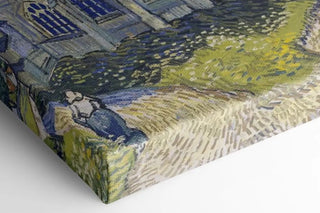
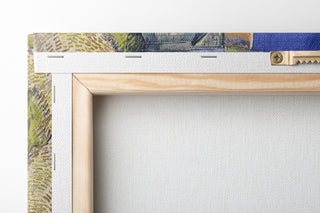
View from behind
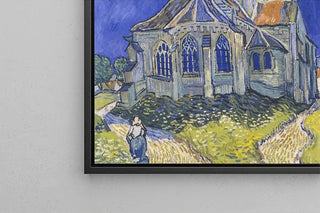
Frame (optional)
In the fascinating world of art, some works manage to capture the very essence of nature with such precision that they seem to transcend time. The art print of Vlaamse Gaai Garrulus glandarius - Anselmus Botius de Boodt is a perfect example. This painting, depicting a jay from the Flemish forest, evokes wild beauty and a delicate harmony between the animal and its environment. Through this piece, the viewer is invited to contemplate not only the bird itself but also the richness of the fauna and flora surrounding it. The meticulous representation of this bird, with its vibrant colors and distinctive plumage, creates a powerful emotional connection, transporting the observer into a world where nature reigns supreme.
Style and uniqueness of the work
Anselmus Botius de Boodt's work stands out for its unique style, blending realism and sensitivity. The jay, with its lively gaze and bright blue plumage, is rendered with such finesse that each feather seems to almost pulse under the light. The artist employs painting techniques that highlight the texture and shine of the feathers, creating an almost tactile effect. The detailed depiction of the natural environment, from branches to delicate leaves, enhances the illusion of a lively scene. This painting does not merely depict a bird; it captures the spirit of nature, celebrating the ephemeral beauty of wild life. The skillful composition, with a perfect balance between the bird and its background, allows the viewer to fully immerse themselves in this tranquil scene, inviting reflection on the harmonious coexistence between man and nature.
The artist and his influence
Anselmus Botius de Boodt, a 17th-century Flemish naturalist and painter, played a crucial role in the representation of nature during his time. His passion for observing birds and plants profoundly influenced his work, enabling him to create pieces that are not only aesthetic but also scientific. By combining art and science, he paved the way for a new way of seeing
Painting Vlaamse Gaai Garrulus glandarius - Anselmus Botius de Boodt | Art print

-10% FROM €95 IN PURCHASES
-15% FROM €195 IN PURCHASES
Regular price
- Unit price
- per
Free shipping
€4.90 / Free shipping on orders over €39
Satisfied or Money Back
Free returns within 30 days
10-year warranty
Our prints are guaranteed for 10 years
Any questions? We are here!
by email to contact@artemlegrand.com
THE STEPS OF YOUR ORDER

STEP 1 - ORDER PLACED
Your order has been confirmed and we are starting production
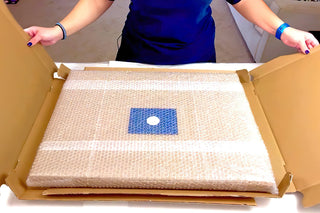
STEP 2 - SHIPPING
We ship your order. We send you an email to track the progress

STEP 3 - DELIVERY
You receive your order. You can also, according to your choice, be delivered to a relay point.
Matte finish
View from behind
Frame (optional)
In the fascinating world of art, some works manage to capture the very essence of nature with such precision that they seem to transcend time. The art print of Vlaamse Gaai Garrulus glandarius - Anselmus Botius de Boodt is a perfect example. This painting, depicting a jay from the Flemish forest, evokes wild beauty and a delicate harmony between the animal and its environment. Through this piece, the viewer is invited to contemplate not only the bird itself but also the richness of the fauna and flora surrounding it. The meticulous representation of this bird, with its vibrant colors and distinctive plumage, creates a powerful emotional connection, transporting the observer into a world where nature reigns supreme.
Style and uniqueness of the work
Anselmus Botius de Boodt's work stands out for its unique style, blending realism and sensitivity. The jay, with its lively gaze and bright blue plumage, is rendered with such finesse that each feather seems to almost pulse under the light. The artist employs painting techniques that highlight the texture and shine of the feathers, creating an almost tactile effect. The detailed depiction of the natural environment, from branches to delicate leaves, enhances the illusion of a lively scene. This painting does not merely depict a bird; it captures the spirit of nature, celebrating the ephemeral beauty of wild life. The skillful composition, with a perfect balance between the bird and its background, allows the viewer to fully immerse themselves in this tranquil scene, inviting reflection on the harmonious coexistence between man and nature.
The artist and his influence
Anselmus Botius de Boodt, a 17th-century Flemish naturalist and painter, played a crucial role in the representation of nature during his time. His passion for observing birds and plants profoundly influenced his work, enabling him to create pieces that are not only aesthetic but also scientific. By combining art and science, he paved the way for a new way of seeing