
Art print Fish - Seki Shūko | Art print


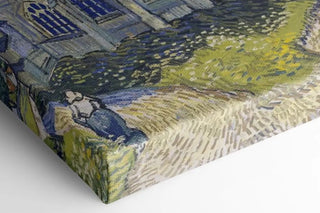
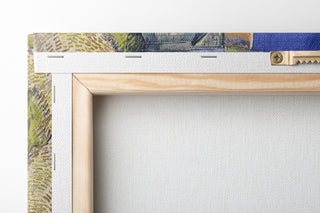
View from behind
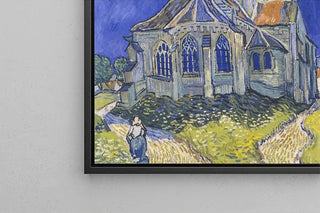
Frame (optional)
Poissons - Seki Shūko – Captivating Introduction
The artwork "Poissons" by Seki Shūko, a master of Japanese painting, immerses us in a universe where nature and art meet with infinite delicacy. This piece, emblematic of Japanese aesthetics, evokes serene harmony, a fluid dance between shapes and colors. By contemplating this artwork, the viewer is transported to an aquatic world, where each fish seems to swim gracefully, embodying the ephemeral beauty of life. The art print of this piece allows us to rediscover this magic, invite the Japanese spirit into our interiors, and celebrate the richness of a millennial artistic tradition.
Style and uniqueness of the artwork
Seki Shūko's style is deeply rooted in the Nihonga tradition, a Japanese painting technique that uses natural pigments and traditional supports. In "Poissons," the artist deploys a subtle palette of colors, ranging from soft hues to more vivid shades, creating an atmosphere that is both soothing and dynamic. The composition is carefully balanced, with each element finding its place in a harmonious space. The fish, depicted with remarkable finesse, are more than simple motifs; they symbolize the fluidity of life and the continuity of nature. The use of empty spaces, a typical technique of Japanese aesthetics, reinforces this impression of lightness and movement, allowing the artwork to breathe and evoke a sense of tranquility.
The artist and his influence
Seki Shūko, active during the Edo period, established himself as a major figure in Japanese painting. His work is marked by a constant search for harmony between man and nature. Influenced by Zen philosophies, he developed a style that transcends mere representations of the natural world to grasp its essence. His works, although deeply rooted in tradition, testify to timeless modernity, captivating art lovers across ages. Shūko also played a key role in transmitting traditional techniques to subsequent generations, contributing to the perpetuity of Japanese art. By exhibiting "Poissons," he offers us not only a
Art print Fish - Seki Shūko | Art print

-10% FROM €95 IN PURCHASES
-15% FROM €195 IN PURCHASES
Regular price
- Unit price
- per
Tax included.
Free shipping
€4.90 / Free shipping on orders over €39
Satisfied or Money Back
Free returns within 30 days
10-year warranty
Our prints are guaranteed for 10 years
Any questions? We are here!
by email to contact@artemlegrand.com
THE STEPS OF YOUR ORDER
STEP 1 - ORDER PLACED
Your order has been confirmed and we are starting production
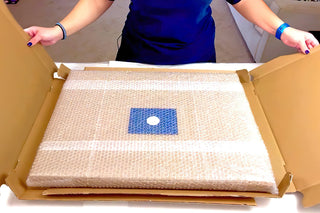
STEP 2 - SHIPPING
We ship your order. We send you an email to track the progress

STEP 3 - DELIVERY
You receive your order. You can also, according to your choice, be delivered to a relay point.
Matte finish
View from behind
Frame (optional)
Poissons - Seki Shūko – Captivating Introduction
The artwork "Poissons" by Seki Shūko, a master of Japanese painting, immerses us in a universe where nature and art meet with infinite delicacy. This piece, emblematic of Japanese aesthetics, evokes serene harmony, a fluid dance between shapes and colors. By contemplating this artwork, the viewer is transported to an aquatic world, where each fish seems to swim gracefully, embodying the ephemeral beauty of life. The art print of this piece allows us to rediscover this magic, invite the Japanese spirit into our interiors, and celebrate the richness of a millennial artistic tradition.
Style and uniqueness of the artwork
Seki Shūko's style is deeply rooted in the Nihonga tradition, a Japanese painting technique that uses natural pigments and traditional supports. In "Poissons," the artist deploys a subtle palette of colors, ranging from soft hues to more vivid shades, creating an atmosphere that is both soothing and dynamic. The composition is carefully balanced, with each element finding its place in a harmonious space. The fish, depicted with remarkable finesse, are more than simple motifs; they symbolize the fluidity of life and the continuity of nature. The use of empty spaces, a typical technique of Japanese aesthetics, reinforces this impression of lightness and movement, allowing the artwork to breathe and evoke a sense of tranquility.
The artist and his influence
Seki Shūko, active during the Edo period, established himself as a major figure in Japanese painting. His work is marked by a constant search for harmony between man and nature. Influenced by Zen philosophies, he developed a style that transcends mere representations of the natural world to grasp its essence. His works, although deeply rooted in tradition, testify to timeless modernity, captivating art lovers across ages. Shūko also played a key role in transmitting traditional techniques to subsequent generations, contributing to the perpetuity of Japanese art. By exhibiting "Poissons," he offers us not only a
12,34 €