
Painting Figure se penchant en arrière - Oskar Schlemmer | Art print


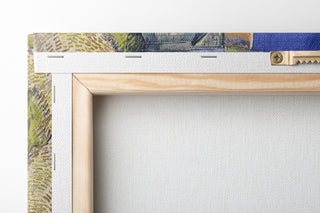
View from behind
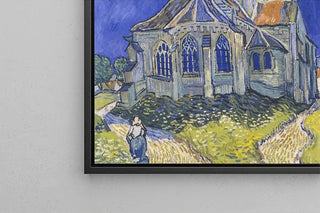
Frame (optional)
Art print of a figure leaning backward - Oskar Schlemmer – Captivating introduction
In the fascinating universe of modern art, certain works stand out for their ability to transcend time and evoke deep emotions. "Figure leaning backward" by Oskar Schlemmer is one of these iconic creations. Created as part of his exploration of human forms and space, this piece embodies the avant-garde aspirations of the early 20th century. The gesture of the figure, both graceful and dynamic, invites us to contemplate the beauty of movement and the fluidity of bodily expression, while immersing us in the innovative aesthetics of its creator.
Style and uniqueness of the work
Schlemmer's work is characterized by a unique style that merges abstraction and figuration. "Figure leaning backward" perfectly illustrates this duality. The stylized and elongated silhouette suggests a delicate balance between the human body and the surrounding space. Sharp contours and vibrant colors create a visual tension that captures the viewer's eye and encourages reflection on the very nature of representation. Each element of the composition seems to dialogue with the others, reinforcing the idea that art is not limited to simple imitation of reality but is also an exploration of sensations and perceptions. This work is an invitation to rediscover movement and posture, thus revealing the intrinsic beauty of the human being, while leaving room for individual interpretation.
The artist and his influence
Oskar Schlemmer, a prominent member of the Bauhaus, profoundly influenced art history with his innovative approach and bold vision. By integrating elements of dance, theater, and design into his work, he sought to reinvent how art interacts with the body and space. Schlemmer captured the essence of human movement, transforming poses and gestures into a true visual poetry. His influence extends far beyond his time, inspiring many contemporary artists to explore the limits of representation and redefine the relationships between humans and their environment. Through works like "Figure leaning backward," he reminds us that art is primarily a quest for meaning and an exploration of
Painting Figure se penchant en arrière - Oskar Schlemmer | Art print

-10% FROM €95 IN PURCHASES
-15% FROM €195 IN PURCHASES
Regular price
- Unit price
- per
Tax included.
Free shipping
€4.90 / Free shipping on orders over €39
Satisfied or Money Back
Free returns within 30 days
10-year warranty
Our prints are guaranteed for 10 years
Any questions? We are here!
by email to contact@artemlegrand.com
THE STEPS OF YOUR ORDER
STEP 1 - ORDER PLACED
Your order has been confirmed and we are starting production
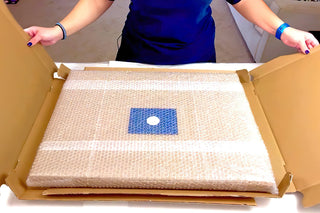
STEP 2 - SHIPPING
We ship your order. We send you an email to track the progress

STEP 3 - DELIVERY
You receive your order. You can also, according to your choice, be delivered to a relay point.
Matte finish
View from behind
Frame (optional)
Art print of a figure leaning backward - Oskar Schlemmer – Captivating introduction
In the fascinating universe of modern art, certain works stand out for their ability to transcend time and evoke deep emotions. "Figure leaning backward" by Oskar Schlemmer is one of these iconic creations. Created as part of his exploration of human forms and space, this piece embodies the avant-garde aspirations of the early 20th century. The gesture of the figure, both graceful and dynamic, invites us to contemplate the beauty of movement and the fluidity of bodily expression, while immersing us in the innovative aesthetics of its creator.
Style and uniqueness of the work
Schlemmer's work is characterized by a unique style that merges abstraction and figuration. "Figure leaning backward" perfectly illustrates this duality. The stylized and elongated silhouette suggests a delicate balance between the human body and the surrounding space. Sharp contours and vibrant colors create a visual tension that captures the viewer's eye and encourages reflection on the very nature of representation. Each element of the composition seems to dialogue with the others, reinforcing the idea that art is not limited to simple imitation of reality but is also an exploration of sensations and perceptions. This work is an invitation to rediscover movement and posture, thus revealing the intrinsic beauty of the human being, while leaving room for individual interpretation.
The artist and his influence
Oskar Schlemmer, a prominent member of the Bauhaus, profoundly influenced art history with his innovative approach and bold vision. By integrating elements of dance, theater, and design into his work, he sought to reinvent how art interacts with the body and space. Schlemmer captured the essence of human movement, transforming poses and gestures into a true visual poetry. His influence extends far beyond his time, inspiring many contemporary artists to explore the limits of representation and redefine the relationships between humans and their environment. Through works like "Figure leaning backward," he reminds us that art is primarily a quest for meaning and an exploration of
12,34 €