
Painting Peasant on horseback and mule driver from the Roman countryside - Johann Adam Klein | Art print


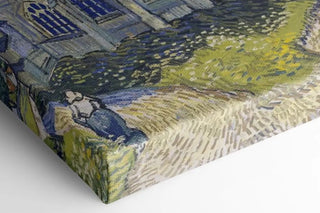
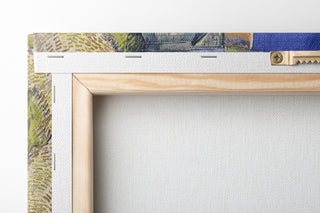
View from behind
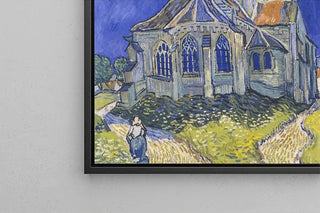
Frame (optional)
Roman countryside - Johann Adam Klein – Captivating introduction
In the vibrant universe of art, some works manage to capture the very essence of a time, a place, and a culture. "Roman countryside - Johann Adam Klein" is one of those iconic pieces that transports us to the heart of 19th-century Italian rural life. This artwork not only evokes rural life but also embodies a romantic and nostalgic vision of a world in full transformation. Through this painting, Klein invites us to explore the relationship between man and nature, while highlighting the beauty of landscapes and the simplicity of agricultural trades. The contemplative gaze of the peasant, the proud posture of the muleteer, and the softness of natural tones create a soothing, almost meditative atmosphere.
Style and uniqueness of the work
Johann Adam Klein's style is distinguished by his ability to blend realism and lyricism. In "Roman countryside - Johann Adam Klein," every detail is carefully observed and rendered with precision that reflects a deep respect for the subject. The characters, although depicted in their daily life, seem imbued with a dignity that elevates their condition. The colors, soft and harmonious, evoke the warmth of the Roman sun, while light plays a crucial role in the composition, creating shadows and reflections that bring the scene to life. This artwork does not merely depict a reality; it offers a poetic interpretation, where each element, from the horse to the landscape, participates in a rich and evocative visual narration. The way Klein captures movement and facial expressions reveals technical mastery that places him among the great masters of his time.
The artist and his influence
Johann Adam Klein, although less known than some of his contemporaries, has left an indelible mark on the art world. Born in 1792 in Munich, he dedicated his life to exploring themes of nature and rural life, drawing inspiration from landscapes and traditions of his era. His training with renowned artists and his travels across Europe enriched his artistic vocabulary, allowing him to
Painting Peasant on horseback and mule driver from the Roman countryside - Johann Adam Klein | Art print

-10% FROM €95 IN PURCHASES
-15% FROM €195 IN PURCHASES
Regular price
- Unit price
- per
Tax included.
Free shipping
€4.90 / Free shipping on orders over €39
Satisfied or Money Back
Free returns within 30 days
10-year warranty
Our prints are guaranteed for 10 years
Any questions? We are here!
by email to contact@artemlegrand.com
THE STEPS OF YOUR ORDER

STEP 1 - ORDER PLACED
Your order has been confirmed and we are starting production
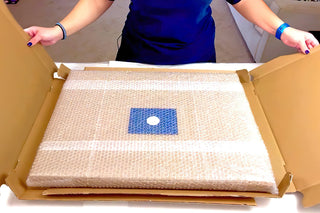
STEP 2 - SHIPPING
We ship your order. We send you an email to track the progress

STEP 3 - DELIVERY
You receive your order. You can also, according to your choice, be delivered to a relay point.
Matte finish
View from behind
Frame (optional)
Roman countryside - Johann Adam Klein – Captivating introduction
In the vibrant universe of art, some works manage to capture the very essence of a time, a place, and a culture. "Roman countryside - Johann Adam Klein" is one of those iconic pieces that transports us to the heart of 19th-century Italian rural life. This artwork not only evokes rural life but also embodies a romantic and nostalgic vision of a world in full transformation. Through this painting, Klein invites us to explore the relationship between man and nature, while highlighting the beauty of landscapes and the simplicity of agricultural trades. The contemplative gaze of the peasant, the proud posture of the muleteer, and the softness of natural tones create a soothing, almost meditative atmosphere.
Style and uniqueness of the work
Johann Adam Klein's style is distinguished by his ability to blend realism and lyricism. In "Roman countryside - Johann Adam Klein," every detail is carefully observed and rendered with precision that reflects a deep respect for the subject. The characters, although depicted in their daily life, seem imbued with a dignity that elevates their condition. The colors, soft and harmonious, evoke the warmth of the Roman sun, while light plays a crucial role in the composition, creating shadows and reflections that bring the scene to life. This artwork does not merely depict a reality; it offers a poetic interpretation, where each element, from the horse to the landscape, participates in a rich and evocative visual narration. The way Klein captures movement and facial expressions reveals technical mastery that places him among the great masters of his time.
The artist and his influence
Johann Adam Klein, although less known than some of his contemporaries, has left an indelible mark on the art world. Born in 1792 in Munich, he dedicated his life to exploring themes of nature and rural life, drawing inspiration from landscapes and traditions of his era. His training with renowned artists and his travels across Europe enriched his artistic vocabulary, allowing him to
12,34 €