
Art print Ezel Donkey Cheval africain Ezel Donkey - Anselmus Botius de Boodt


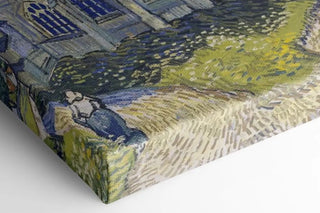
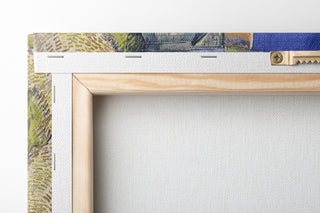
View from behind
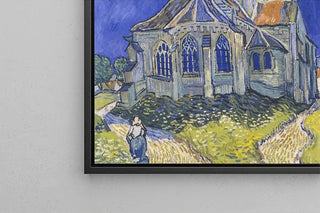
Frame (optional)
Art print Ezel Donkey African horse Ezel Donkey - Anselmus Botius de Boodt – Engaging introduction
The work "Ezel Donkey African horse Ezel Donkey" by Anselmus Botius de Boodt is a true invitation to explore the subtleties of 17th-century animal art. This painting, which highlights the beauty and grace of an African donkey, stands out for its ability to capture the very essence of the animal. The depiction of this equine, far from being a simple zoological study, becomes a symbol of the relationship between man and nature, as well as a reflection on the diversity of the animal world. Through this piece, the artist transports us into a universe where every detail matters, where each brushstroke demonstrates meticulous observation and rare artistic sensitivity.
Style and uniqueness of the work
Anselmus Botius de Boodt's style is characterized by particular attention to detail and mastery of light and shadow. In "Ezel Donkey African horse Ezel Donkey," the texture of the donkey's coat is rendered with a precision that borders on hyperrealism. The shades of color, ranging from warm browns to subtle grays, create a depth that brings the animal to life. This painting does not merely depict a donkey; it evokes an atmosphere, an almost palpable ambiance. The artist uses chiaroscuro techniques to emphasize volumes and shapes, making the work dynamic and engaging. The composition, well balanced, guides the viewer's gaze and invites contemplation of the details, stopping at the expressive eyes of the donkey, which seem to tell a story.
The artist and his influence
Anselmus Botius de Boodt, naturalist and painter, is often recognized for his ability to combine science and art. His interest in zoology and botany is reflected in his works, where he seeks to represent nature with scientific precision while maintaining artistic aesthetics. In the context of his time, he established himself as a key figure in the development of art animalier, influencing many contemporary and future artists. His approach, which combines rigorous observation and
Art print Ezel Donkey Cheval africain Ezel Donkey - Anselmus Botius de Boodt

-10% FROM €95 IN PURCHASES
-15% FROM €195 IN PURCHASES
Regular price
- Unit price
- per
Free shipping
€4.90 / Free shipping on orders over €39
Satisfied or Money Back
Free returns within 30 days
10-year warranty
Our prints are guaranteed for 10 years
Any questions? We are here!
by email to contact@artemlegrand.com
THE STEPS OF YOUR ORDER

STEP 1 - ORDER PLACED
Your order has been confirmed and we are starting production
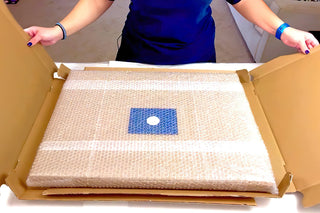
STEP 2 - SHIPPING
We ship your order. We send you an email to track the progress

STEP 3 - DELIVERY
You receive your order. You can also, according to your choice, be delivered to a relay point.
Matte finish
View from behind
Frame (optional)
Art print Ezel Donkey African horse Ezel Donkey - Anselmus Botius de Boodt – Engaging introduction
The work "Ezel Donkey African horse Ezel Donkey" by Anselmus Botius de Boodt is a true invitation to explore the subtleties of 17th-century animal art. This painting, which highlights the beauty and grace of an African donkey, stands out for its ability to capture the very essence of the animal. The depiction of this equine, far from being a simple zoological study, becomes a symbol of the relationship between man and nature, as well as a reflection on the diversity of the animal world. Through this piece, the artist transports us into a universe where every detail matters, where each brushstroke demonstrates meticulous observation and rare artistic sensitivity.
Style and uniqueness of the work
Anselmus Botius de Boodt's style is characterized by particular attention to detail and mastery of light and shadow. In "Ezel Donkey African horse Ezel Donkey," the texture of the donkey's coat is rendered with a precision that borders on hyperrealism. The shades of color, ranging from warm browns to subtle grays, create a depth that brings the animal to life. This painting does not merely depict a donkey; it evokes an atmosphere, an almost palpable ambiance. The artist uses chiaroscuro techniques to emphasize volumes and shapes, making the work dynamic and engaging. The composition, well balanced, guides the viewer's gaze and invites contemplation of the details, stopping at the expressive eyes of the donkey, which seem to tell a story.
The artist and his influence
Anselmus Botius de Boodt, naturalist and painter, is often recognized for his ability to combine science and art. His interest in zoology and botany is reflected in his works, where he seeks to represent nature with scientific precision while maintaining artistic aesthetics. In the context of his time, he established himself as a key figure in the development of art animalier, influencing many contemporary and future artists. His approach, which combines rigorous observation and