
Art print Exorcarpus bidwillii Black Maire Santalum cunninghamii Euphorbia glauca - Sarah Featon


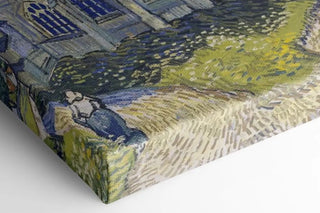
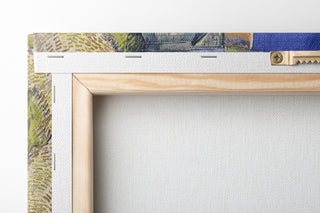
View from behind
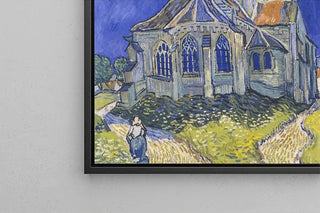
Frame (optional)
In the vast panorama of art history, certain works stand out for their ability to capture the very essence of nature. The art print of Exorcarpus bidwillii Black Maire Santalum cunninghamii Euphorbia glauca, created by Sarah Featon, embodies this quest for harmony between humans and their environment. This piece, both delicate and powerful, transports us to the heart of a rich botanical landscape full of colors and textures. By contemplating this creation, viewers are invited to a deep reflection on the ephemeral beauty of flora, while marveling at the artist's technical skill.
Style and uniqueness of the work
Sarah Featon's work is distinguished by its realistic and immersive approach. Every detail, every nuance of color, is carefully studied to provide a faithful representation of the chosen plant species. The composition of the art print evokes a symbiosis between the different plants, where Exorcarpus bidwillii, Santalum cunninghamii, and Euphorbia glauca blend harmoniously. The textures of the leaves, the brightness of the flowers, and the depth of the shadows create an almost tangible atmosphere, allowing the viewer to feel the freshness of a lush garden. This style, both naturalistic and poetic, demonstrates an exceptional mastery of technique, while revealing an artistic sensitivity that makes Featon an essential figure of her time.
The artist and her influence
Sarah Featon, a New Zealand artist, has established herself in the world of botanical art through her unique approach and passion for nature. Her work, influenced by 19th-century artistic traditions, is also nourished by contemporary concerns related to environmental preservation. Featon was often inspired by the landscapes of her homeland, where endemic flora plays a prominent role. Her work is not limited to a simple visual representation; it also engages in a dialogue about conservation and the importance of biodiversity. By integrating elements of her cultural heritage and current ecological issues, the artist manages to
Art print Exorcarpus bidwillii Black Maire Santalum cunninghamii Euphorbia glauca - Sarah Featon

-10% FROM €95 IN PURCHASES
-15% FROM €195 IN PURCHASES
Regular price
- Unit price
- per
Tax included.
Free shipping
€4.90 / Free shipping on orders over €39
Satisfied or Money Back
Free returns within 30 days
10-year warranty
Our prints are guaranteed for 10 years
Any questions? We are here!
by email to contact@artemlegrand.com
THE STEPS OF YOUR ORDER

STEP 1 - ORDER PLACED
Your order has been confirmed and we are starting production
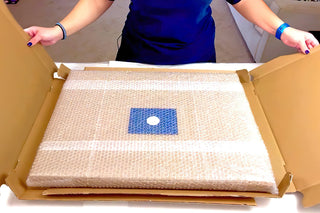
STEP 2 - SHIPPING
We ship your order. We send you an email to track the progress

STEP 3 - DELIVERY
You receive your order. You can also, according to your choice, be delivered to a relay point.
Matte finish
View from behind
Frame (optional)
In the vast panorama of art history, certain works stand out for their ability to capture the very essence of nature. The art print of Exorcarpus bidwillii Black Maire Santalum cunninghamii Euphorbia glauca, created by Sarah Featon, embodies this quest for harmony between humans and their environment. This piece, both delicate and powerful, transports us to the heart of a rich botanical landscape full of colors and textures. By contemplating this creation, viewers are invited to a deep reflection on the ephemeral beauty of flora, while marveling at the artist's technical skill.
Style and uniqueness of the work
Sarah Featon's work is distinguished by its realistic and immersive approach. Every detail, every nuance of color, is carefully studied to provide a faithful representation of the chosen plant species. The composition of the art print evokes a symbiosis between the different plants, where Exorcarpus bidwillii, Santalum cunninghamii, and Euphorbia glauca blend harmoniously. The textures of the leaves, the brightness of the flowers, and the depth of the shadows create an almost tangible atmosphere, allowing the viewer to feel the freshness of a lush garden. This style, both naturalistic and poetic, demonstrates an exceptional mastery of technique, while revealing an artistic sensitivity that makes Featon an essential figure of her time.
The artist and her influence
Sarah Featon, a New Zealand artist, has established herself in the world of botanical art through her unique approach and passion for nature. Her work, influenced by 19th-century artistic traditions, is also nourished by contemporary concerns related to environmental preservation. Featon was often inspired by the landscapes of her homeland, where endemic flora plays a prominent role. Her work is not limited to a simple visual representation; it also engages in a dialogue about conservation and the importance of biodiversity. By integrating elements of her cultural heritage and current ecological issues, the artist manages to
12,34 €