
Painting L'empereur François Ier Étienne de Lorraine - Martin van Meytens


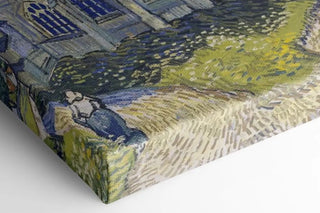
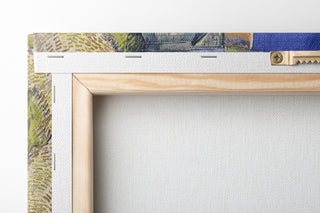
View from behind
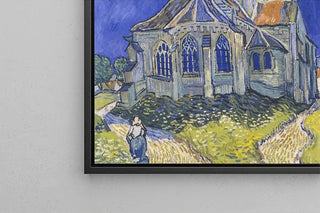
Frame (optional)
Art print of Emperor Francis I of Lorraine by Étienne de Lorraine - Martin van Meytens – Captivating Introduction
In the fascinating world of Baroque painting, the work "L'empereur François Ier Étienne de Lorraine" by Martin van Meytens emerges as a visual testament to a bygone era. This portrait, which captures the very essence of royalty and power, immerses us in the intricacies of a court where art and politics intertwine. Through the carefully rendered features of François I, the artist succeeds in immortalizing not only the physical appearance of his subject but also his status and authority. This piece invites the viewer to contemplate the dignity and charisma of a man whose reign has left a mark on history.
Style and uniqueness of the work
The uniqueness of this portrait lies in Martin van Meytens's technical mastery, who manages to create an atmosphere that is both solemn and intimate. The rich colors and meticulous details, such as sumptuous fabrics and refined ornaments, testify to exceptional craftsmanship. Every brushstroke seems deliberately designed to emphasize the emperor's presence while giving him a palpable humanity. The play of light and shadow, along with the balanced composition, adds an almost theatrical dimension to the work. This painting is not just a simple portrait; it becomes a lively scene where the viewer is invited to approach and discover the subtleties of François I's personality.
The artist and his influence
Martin van Meytens, a Dutch-born painter, established himself in the European artistic landscape of the 18th century. His works, often imbued with grandeur and refinement, reflect a deep understanding of the social and political dynamics of his time. As a court portraitist, van Meytens had the opportunity to mingle with emblematic figures, which undoubtedly influenced his style. His ability to capture the essence of his subjects while placing them within a rich historical context makes him an essential artist. His influence extends beyond his era, inspiring many contemporary and future artists who seek to reconcile portrait art with the demands of the
Painting L'empereur François Ier Étienne de Lorraine - Martin van Meytens

-10% FROM €95 IN PURCHASES
-15% FROM €195 IN PURCHASES
Regular price
- Unit price
- per
Tax included.
Free shipping
€4.90 / Free shipping on orders over €39
Satisfied or Money Back
Free returns within 30 days
10-year warranty
Our prints are guaranteed for 10 years
Any questions? We are here!
by email to contact@artemlegrand.com
THE STEPS OF YOUR ORDER

STEP 1 - ORDER PLACED
Your order has been confirmed and we are starting production
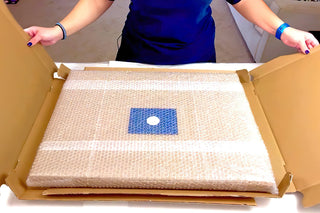
STEP 2 - SHIPPING
We ship your order. We send you an email to track the progress

STEP 3 - DELIVERY
You receive your order. You can also, according to your choice, be delivered to a relay point.
Matte finish
View from behind
Frame (optional)
Art print of Emperor Francis I of Lorraine by Étienne de Lorraine - Martin van Meytens – Captivating Introduction
In the fascinating world of Baroque painting, the work "L'empereur François Ier Étienne de Lorraine" by Martin van Meytens emerges as a visual testament to a bygone era. This portrait, which captures the very essence of royalty and power, immerses us in the intricacies of a court where art and politics intertwine. Through the carefully rendered features of François I, the artist succeeds in immortalizing not only the physical appearance of his subject but also his status and authority. This piece invites the viewer to contemplate the dignity and charisma of a man whose reign has left a mark on history.
Style and uniqueness of the work
The uniqueness of this portrait lies in Martin van Meytens's technical mastery, who manages to create an atmosphere that is both solemn and intimate. The rich colors and meticulous details, such as sumptuous fabrics and refined ornaments, testify to exceptional craftsmanship. Every brushstroke seems deliberately designed to emphasize the emperor's presence while giving him a palpable humanity. The play of light and shadow, along with the balanced composition, adds an almost theatrical dimension to the work. This painting is not just a simple portrait; it becomes a lively scene where the viewer is invited to approach and discover the subtleties of François I's personality.
The artist and his influence
Martin van Meytens, a Dutch-born painter, established himself in the European artistic landscape of the 18th century. His works, often imbued with grandeur and refinement, reflect a deep understanding of the social and political dynamics of his time. As a court portraitist, van Meytens had the opportunity to mingle with emblematic figures, which undoubtedly influenced his style. His ability to capture the essence of his subjects while placing them within a rich historical context makes him an essential artist. His influence extends beyond his era, inspiring many contemporary and future artists who seek to reconcile portrait art with the demands of the
12,34 €