
Painting A midday pasture - Friedrich Voltz | Art print


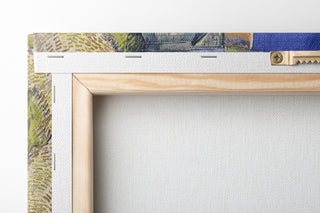
View from behind
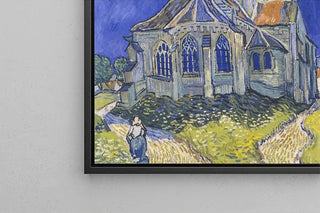
Frame (optional)
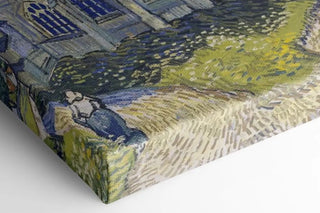
In the vast panorama of art history, certain artworks stand out for their ability to capture the essence of a moment, an atmosphere, an emotion. "Un pré à midi" by Friedrich Voltz is one such creation. This piece, bathed in light and life, transports us to a landscape where nature flourishes under the sun, evoking harmony between man and his environment. The scene depicts a lush meadow, where tranquility reigns supreme, and where every blade of grass seems to vibrate with the rhythm of the season. The artist succeeds in conveying a sense of peace and serenity, inviting us to contemplate the simple yet profound beauty of nature.
Style and uniqueness of the work
Friedrich Voltz's style is distinguished by his ability to blend realism with a touch of idealization. In "Un pré à midi," the meticulous details of natural elements are combined with a vibrant color palette, creating an atmosphere that is both lively and dreamlike. The play of light and shadow in this piece reveals technical mastery that demonstrates the artist's skill in capturing the nuances of natural light. Human figures, although present, are almost secondary, serving as silent witnesses to the magnificence of the surrounding nature. This approach emphasizes the idea that man, although an integral part of the scene, is often in harmony with the natural world rather than in opposition to it.
The artist and his influence
Friedrich Voltz, active in the 19th century, was a painter whose work is rooted in the Romantic movement, where nature occupies a prominent place. Influenced by the picturesque landscapes of his native region, he developed a unique style that combines the beauty of nature with emotional sensitivity. Voltz was an attentive observer of seasonal changes and the effects of light, which allowed him to create compositions that resonate with emotional depth. His work also inspired many contemporary and future artists, who saw in him a pioneer in exploring the relationships between man and his environment. The way he manages to
Painting A midday pasture - Friedrich Voltz | Art print

-10% FROM €95 IN PURCHASES
-15% FROM €195 IN PURCHASES
Regular price
- Unit price
- by
Free shipping
€4.90 / Free shipping on orders over €39
Satisfied or Money Back
Free returns within 30 days
10-year warranty
Our prints are guaranteed for 10 years
Any questions? We are here!
by email to contact@artemlegrand.com
THE STEPS OF YOUR ORDER

STEP 1 - ORDER PLACED
Your order has been confirmed and we are starting production

STEP 2 - SHIPPING
We ship your order. We send you an email to track the progress

STEP 3 - DELIVERY
You receive your order. You can also, according to your choice, be delivered to a relay point.
Matte finish
View from behind
Frame (optional)
In the vast panorama of art history, certain artworks stand out for their ability to capture the essence of a moment, an atmosphere, an emotion. "Un pré à midi" by Friedrich Voltz is one such creation. This piece, bathed in light and life, transports us to a landscape where nature flourishes under the sun, evoking harmony between man and his environment. The scene depicts a lush meadow, where tranquility reigns supreme, and where every blade of grass seems to vibrate with the rhythm of the season. The artist succeeds in conveying a sense of peace and serenity, inviting us to contemplate the simple yet profound beauty of nature.
Style and uniqueness of the work
Friedrich Voltz's style is distinguished by his ability to blend realism with a touch of idealization. In "Un pré à midi," the meticulous details of natural elements are combined with a vibrant color palette, creating an atmosphere that is both lively and dreamlike. The play of light and shadow in this piece reveals technical mastery that demonstrates the artist's skill in capturing the nuances of natural light. Human figures, although present, are almost secondary, serving as silent witnesses to the magnificence of the surrounding nature. This approach emphasizes the idea that man, although an integral part of the scene, is often in harmony with the natural world rather than in opposition to it.
The artist and his influence
Friedrich Voltz, active in the 19th century, was a painter whose work is rooted in the Romantic movement, where nature occupies a prominent place. Influenced by the picturesque landscapes of his native region, he developed a unique style that combines the beauty of nature with emotional sensitivity. Voltz was an attentive observer of seasonal changes and the effects of light, which allowed him to create compositions that resonate with emotional depth. His work also inspired many contemporary and future artists, who saw in him a pioneer in exploring the relationships between man and his environment. The way he manages to