
Painting Players of Dominoes - Friedrich Sturm | Art print


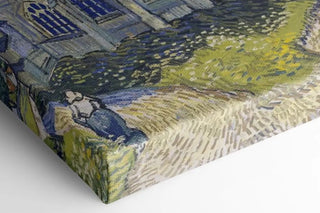
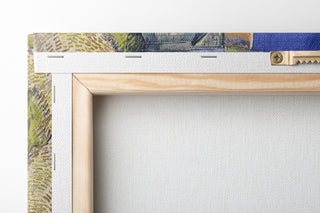
View from behind
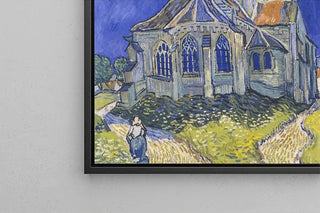
Frame (optional)
In the vibrant universe of art, some works manage to capture the very essence of human interactions, frozen moments in time. "Joueurs de dominos - Friedrich Sturm" is a perfect example. This piece, both simple and complex, immerses us in the intimacy of a shared moment between friends, where concentration and conviviality intertwine. Through this scene, the artist invites us to observe the subtleties of human relationships while offering a glimpse into a bygone era. The art print Joueurs de dominos - Friedrich Sturm allows us to rediscover this iconic piece, adding a touch of elegance to our living spaces.
Style and uniqueness of the work
Friedrich Sturm's style is characterized by a realistic approach, where every detail is carefully crafted to convey a particular atmosphere. In "Joueurs de dominos," the characters are depicted with such precision that they seem almost alive, evoking palpable emotions. Light plays a fundamental role in this piece, creating delicate shadows that highlight the tension of the game. The colors, meanwhile, are chosen with care, oscillating between warm tones and darker shades, contributing to the scene's joyful yet serious ambiance. This duality, typical of Sturm's work, reminds us that every human interaction is tinged with complexity, oscillating between pleasure and competition.
The artist and his influence
Friedrich Sturm, a prominent figure of his time, established himself as a master of genre painting. His work stands out for its ability to capture everyday moments while infusing them with emotional depth. Influenced by the great masters of the past, Sturm developed a style that is uniquely his own, oscillating between realism and a certain visual poetry. His keen eye on society of his era allowed him to create works that still resonate today. Through "Joueurs de dominos," he offers us a reflection of the conviviality and traditions of his time, while also taking a critical look at social dynamics. The impact of his work is felt not only in the field of painting but also in
Painting Players of Dominoes - Friedrich Sturm | Art print

-10% FROM €95 IN PURCHASES
-15% FROM €195 IN PURCHASES
Regular price
- Unit price
- by
Free shipping
€4.90 / Free shipping on orders over €39
Satisfied or Money Back
Free returns within 30 days
10-year warranty
Our prints are guaranteed for 10 years
Any questions? We are here!
by email to contact@artemlegrand.com
THE STEPS OF YOUR ORDER

STEP 1 - ORDER PLACED
Your order has been confirmed and we are starting production
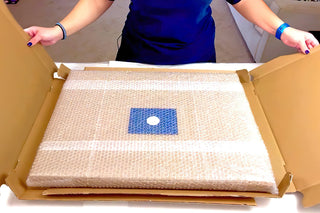
STEP 2 - SHIPPING
We ship your order. We send you an email to track the progress

STEP 3 - DELIVERY
You receive your order. You can also, according to your choice, be delivered to a relay point.
Matte finish
View from behind
Frame (optional)
In the vibrant universe of art, some works manage to capture the very essence of human interactions, frozen moments in time. "Joueurs de dominos - Friedrich Sturm" is a perfect example. This piece, both simple and complex, immerses us in the intimacy of a shared moment between friends, where concentration and conviviality intertwine. Through this scene, the artist invites us to observe the subtleties of human relationships while offering a glimpse into a bygone era. The art print Joueurs de dominos - Friedrich Sturm allows us to rediscover this iconic piece, adding a touch of elegance to our living spaces.
Style and uniqueness of the work
Friedrich Sturm's style is characterized by a realistic approach, where every detail is carefully crafted to convey a particular atmosphere. In "Joueurs de dominos," the characters are depicted with such precision that they seem almost alive, evoking palpable emotions. Light plays a fundamental role in this piece, creating delicate shadows that highlight the tension of the game. The colors, meanwhile, are chosen with care, oscillating between warm tones and darker shades, contributing to the scene's joyful yet serious ambiance. This duality, typical of Sturm's work, reminds us that every human interaction is tinged with complexity, oscillating between pleasure and competition.
The artist and his influence
Friedrich Sturm, a prominent figure of his time, established himself as a master of genre painting. His work stands out for its ability to capture everyday moments while infusing them with emotional depth. Influenced by the great masters of the past, Sturm developed a style that is uniquely his own, oscillating between realism and a certain visual poetry. His keen eye on society of his era allowed him to create works that still resonate today. Through "Joueurs de dominos," he offers us a reflection of the conviviality and traditions of his time, while also taking a critical look at social dynamics. The impact of his work is felt not only in the field of painting but also in