
Painting Girl of Trenn - Stefan Straka | Art print


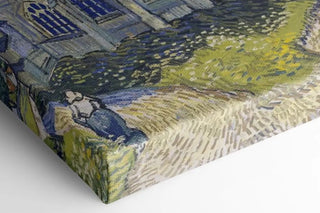
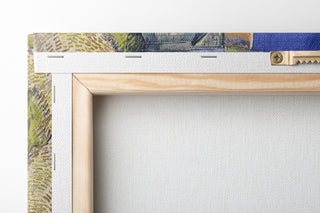
View from behind
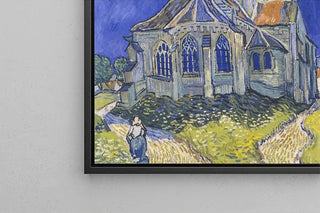
Frame (optional)
Stefan Straka's "Girl of Trenn" is a piece that transcends the simple frame of painting to immerse the viewer in a universe rich in emotions and reflections. This creation, both delicate and powerful, evokes a sensitivity that resonates deeply with the human soul. Contemplating this work, one faces a visual narrative that invites introspection and escape. The light, colors, and shapes combine to create a living tableau, where every detail seems to tell a unique story. This piece attracts not only the eye but also the mind, making each observation a memorable experience.
Style and uniqueness of the work
Stefan Straka's style in "Girl of Trenn" is characterized by a blend of figurative and expressive approaches. The composition stands out through its bold use of colors, which range from vivid shades to darker nuances, creating a striking contrast. Fluid lines and organic forms contribute to a sense of movement, almost as if the canvas were animated with a life of its own. This stylistic choice captures the very essence of the subject—a young girl whose expression appears both melancholic and dreamy. The psychological depth of this representation is enhanced by the play of light, which highlights the delicate features of the face and emphasizes the texture of the clothing. This work stands out for its ability to evoke complex emotions while remaining accessible, a rare balance in the world of contemporary art.
The artist and his influence
Stefan Straka, a multifaceted artist, has established himself on the art scene through a unique and personal vision. His journey is marked by an relentless quest for authenticity and artistic truth. Influenced by various movements, from realism to abstract art, Straka manages to fuse these styles to create works that speak to a broad audience. His technique, both precise and intuitive, allows him to capture fleeting moments of life, translating universal emotions onto the canvas. The artist often draws inspiration from his own experiences and environment, which gives his creations an autobiographical dimension.
Painting Girl of Trenn - Stefan Straka | Art print

-10% FROM €95 IN PURCHASES
-15% FROM €195 IN PURCHASES
Regular price
- Unit price
- by
Free shipping
€4.90 / Free shipping on orders over €39
Satisfied or Money Back
Free returns within 30 days
10-year warranty
Our prints are guaranteed for 10 years
Any questions? We are here!
by email to contact@artemlegrand.com
THE STEPS OF YOUR ORDER

STEP 1 - ORDER PLACED
Your order has been confirmed and we are starting production
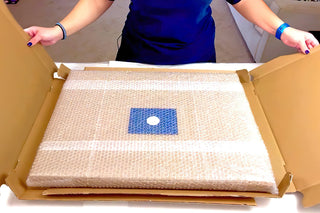
STEP 2 - SHIPPING
We ship your order. We send you an email to track the progress

STEP 3 - DELIVERY
You receive your order. You can also, according to your choice, be delivered to a relay point.
Matte finish
View from behind
Frame (optional)
Stefan Straka's "Girl of Trenn" is a piece that transcends the simple frame of painting to immerse the viewer in a universe rich in emotions and reflections. This creation, both delicate and powerful, evokes a sensitivity that resonates deeply with the human soul. Contemplating this work, one faces a visual narrative that invites introspection and escape. The light, colors, and shapes combine to create a living tableau, where every detail seems to tell a unique story. This piece attracts not only the eye but also the mind, making each observation a memorable experience.
Style and uniqueness of the work
Stefan Straka's style in "Girl of Trenn" is characterized by a blend of figurative and expressive approaches. The composition stands out through its bold use of colors, which range from vivid shades to darker nuances, creating a striking contrast. Fluid lines and organic forms contribute to a sense of movement, almost as if the canvas were animated with a life of its own. This stylistic choice captures the very essence of the subject—a young girl whose expression appears both melancholic and dreamy. The psychological depth of this representation is enhanced by the play of light, which highlights the delicate features of the face and emphasizes the texture of the clothing. This work stands out for its ability to evoke complex emotions while remaining accessible, a rare balance in the world of contemporary art.
The artist and his influence
Stefan Straka, a multifaceted artist, has established himself on the art scene through a unique and personal vision. His journey is marked by an relentless quest for authenticity and artistic truth. Influenced by various movements, from realism to abstract art, Straka manages to fuse these styles to create works that speak to a broad audience. His technique, both precise and intuitive, allows him to capture fleeting moments of life, translating universal emotions onto the canvas. The artist often draws inspiration from his own experiences and environment, which gives his creations an autobiographical dimension.