
Painting Crayfish Fishermen - Roelant Savery | Art print


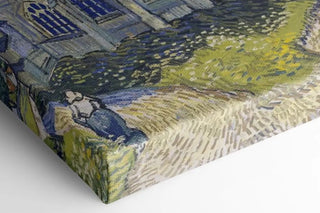
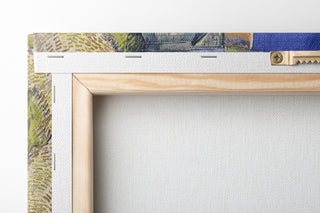
View from behind
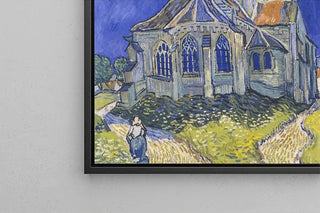
Frame (optional)
Reproduction Pêcheurs d'écrevisses - Roelant Savery – Captivating introduction
The art print "Pêcheurs d'écrevisses" by Roelant Savery, created in the 17th century, evokes a bucolic scene filled with serenity and poetry. This piece, which captures the essence of nature and the simplicity of rural life, transports the viewer to a world where time seems to stand still. The fishermen, absorbed in their activity, invite us to contemplate the beauty of the landscapes and the richness of aquatic fauna. The soft light bathing the scene accentuates the meticulous details, revealing a perfect harmony between man and his environment. This art print offers a unique opportunity to rediscover an era when art was intimately intertwined with daily life.
Style and uniqueness of the work
Roelant Savery's style is distinguished by his ability to blend realism and idealization. In "Pêcheurs d'écrevisses," every element is carefully observed, from the reflections in the water to the vibrant colors of the surrounding vegetation. Savery, as a master of landscape, excels in representing textures and lights, creating an almost tangible atmosphere. The shades of green and blue, combined with touches of warm colors, infuse the work with rare vitality. The artist does not merely reproduce nature; he embellishes it, transforming it into a dreamlike tableau where harmony reigns supreme. The human figures, although present, are never the focus but rather integrated into a living painting, demonstrating a respectful coexistence with nature.
The artist and his influence
Roelant Savery, born in 1576 in Courtrai, is often regarded as one of the pioneers of Dutch landscape painting. His career, marked by travels across Europe, allowed him to refine his style while drawing inspiration from Renaissance masters. Savery managed to capture the spirit of his time, blending elements of the Flemish tradition with Italian influences. His work not only influenced his contemporaries but continues to inspire modern artists. Through his landscapes, he established a dialogue between man and nature, a theme
Painting Crayfish Fishermen - Roelant Savery | Art print

-10% FROM €95 IN PURCHASES
-15% FROM €195 IN PURCHASES
Regular price
- Unit price
- per
Tax included.
Free shipping
€4.90 / Free shipping on orders over €39
Satisfied or Money Back
Free returns within 30 days
10-year warranty
Our prints are guaranteed for 10 years
Any questions? We are here!
by email to contact@artemlegrand.com
THE STEPS OF YOUR ORDER

STEP 1 - ORDER PLACED
Your order has been confirmed and we are starting production
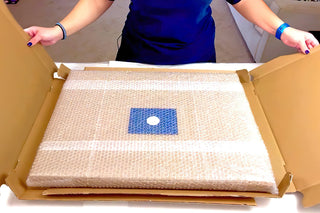
STEP 2 - SHIPPING
We ship your order. We send you an email to track the progress

STEP 3 - DELIVERY
You receive your order. You can also, according to your choice, be delivered to a relay point.
Matte finish
View from behind
Frame (optional)
Reproduction Pêcheurs d'écrevisses - Roelant Savery – Captivating introduction
The art print "Pêcheurs d'écrevisses" by Roelant Savery, created in the 17th century, evokes a bucolic scene filled with serenity and poetry. This piece, which captures the essence of nature and the simplicity of rural life, transports the viewer to a world where time seems to stand still. The fishermen, absorbed in their activity, invite us to contemplate the beauty of the landscapes and the richness of aquatic fauna. The soft light bathing the scene accentuates the meticulous details, revealing a perfect harmony between man and his environment. This art print offers a unique opportunity to rediscover an era when art was intimately intertwined with daily life.
Style and uniqueness of the work
Roelant Savery's style is distinguished by his ability to blend realism and idealization. In "Pêcheurs d'écrevisses," every element is carefully observed, from the reflections in the water to the vibrant colors of the surrounding vegetation. Savery, as a master of landscape, excels in representing textures and lights, creating an almost tangible atmosphere. The shades of green and blue, combined with touches of warm colors, infuse the work with rare vitality. The artist does not merely reproduce nature; he embellishes it, transforming it into a dreamlike tableau where harmony reigns supreme. The human figures, although present, are never the focus but rather integrated into a living painting, demonstrating a respectful coexistence with nature.
The artist and his influence
Roelant Savery, born in 1576 in Courtrai, is often regarded as one of the pioneers of Dutch landscape painting. His career, marked by travels across Europe, allowed him to refine his style while drawing inspiration from Renaissance masters. Savery managed to capture the spirit of his time, blending elements of the Flemish tradition with Italian influences. His work not only influenced his contemporaries but continues to inspire modern artists. Through his landscapes, he established a dialogue between man and nature, a theme
12,34 €