
Art print Inés de Ziga Comtesse de Monterrey - Juan Carreño de Miranda


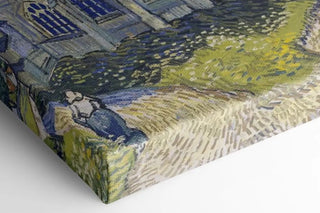
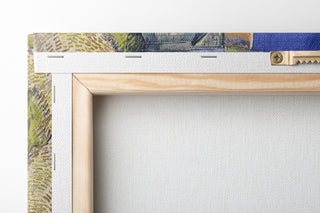
View from behind
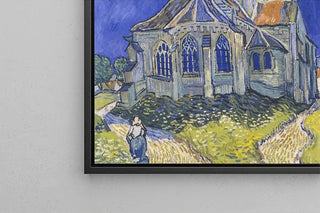
Frame (optional)
Inés de Ziga Countess of Monterrey - Juan Carreño de Miranda – Captivating Introduction
In the field of art history, some works manage to capture the essence of an era while telling a personal story. The art print of Inés de Ziga Countess of Monterrey - Juan Carreño de Miranda is a perfect example. This canvas, created in the 17th century, evokes not only the beauty and refinement of Spanish nobility but also the undeniable talent of Carreño de Miranda. The piece depicts Inés de Ziga, an iconic figure of aristocracy, whose intense gaze and graceful posture testify to her high status and fascinating personality. Observing this work, the viewer is immediately transported into the baroque world, where art and social life intertwine inextricably.
Style and uniqueness of the work
The work stands out for its baroque style, characterized by striking contrasts and meticulous attention to detail. Carreño de Miranda uses light and shadow to emphasize the features of his model, creating an emotional depth that transcends a simple portrait. The sumptuous drapes of the countess's dress, richly decorated and skillfully arranged, add a tactile dimension to the painting. The color palette, blending warm tones with darker shades, contributes to the atmosphere that is both intimate and majestic. Every element, from the sparkling jewelry to the texture of the fabrics, is carefully rendered, demonstrating the artist's exceptional craftsmanship. In sum, this work does not merely depict a noble lady; it captures the very soul of her era.
The artist and his influence
Juan Carreño de Miranda, born in 1614, is one of the leading portraitists of his time. His artistic journey is marked by a deep admiration for earlier masters, such as Velázquez, whom he drew inspiration from while developing his own style. Carreño de Miranda skillfully navigated between the demands of the Spanish court and the artistic aspirations of his era, which allowed him to become the portraitist of the nobility. His influence is felt not only
Art print Inés de Ziga Comtesse de Monterrey - Juan Carreño de Miranda

-10% FROM €95 IN PURCHASES
-15% FROM €195 IN PURCHASES
Regular price
- Unit price
- per
Tax included.
Free shipping
€4.90 / Free shipping on orders over €39
Satisfied or Money Back
Free returns within 30 days
10-year warranty
Our prints are guaranteed for 10 years
Any questions? We are here!
by email to contact@artemlegrand.com
THE STEPS OF YOUR ORDER

STEP 1 - ORDER PLACED
Your order has been confirmed and we are starting production
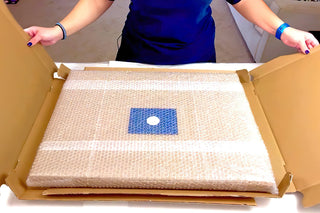
STEP 2 - SHIPPING
We ship your order. We send you an email to track the progress

STEP 3 - DELIVERY
You receive your order. You can also, according to your choice, be delivered to a relay point.
Matte finish
View from behind
Frame (optional)
Inés de Ziga Countess of Monterrey - Juan Carreño de Miranda – Captivating Introduction
In the field of art history, some works manage to capture the essence of an era while telling a personal story. The art print of Inés de Ziga Countess of Monterrey - Juan Carreño de Miranda is a perfect example. This canvas, created in the 17th century, evokes not only the beauty and refinement of Spanish nobility but also the undeniable talent of Carreño de Miranda. The piece depicts Inés de Ziga, an iconic figure of aristocracy, whose intense gaze and graceful posture testify to her high status and fascinating personality. Observing this work, the viewer is immediately transported into the baroque world, where art and social life intertwine inextricably.
Style and uniqueness of the work
The work stands out for its baroque style, characterized by striking contrasts and meticulous attention to detail. Carreño de Miranda uses light and shadow to emphasize the features of his model, creating an emotional depth that transcends a simple portrait. The sumptuous drapes of the countess's dress, richly decorated and skillfully arranged, add a tactile dimension to the painting. The color palette, blending warm tones with darker shades, contributes to the atmosphere that is both intimate and majestic. Every element, from the sparkling jewelry to the texture of the fabrics, is carefully rendered, demonstrating the artist's exceptional craftsmanship. In sum, this work does not merely depict a noble lady; it captures the very soul of her era.
The artist and his influence
Juan Carreño de Miranda, born in 1614, is one of the leading portraitists of his time. His artistic journey is marked by a deep admiration for earlier masters, such as Velázquez, whom he drew inspiration from while developing his own style. Carreño de Miranda skillfully navigated between the demands of the Spanish court and the artistic aspirations of his era, which allowed him to become the portraitist of the nobility. His influence is felt not only
12,34 €