
Painting Forms of the City - Louis Lozowick | Art print


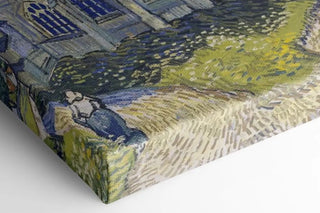
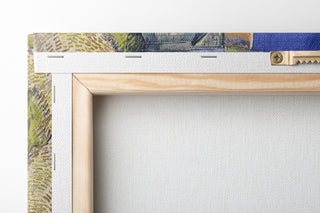
View from behind
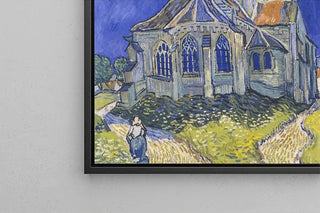
Frame (optional)
Formes de la ville - Louis Lozowick – Captivating Introduction
In the vast panorama of modern art, the art print "Formes de la ville" by Louis Lozowick stands out as a vibrant testament to urban evolution. This piece, which captures the very essence of American metropolises in the 1930s, evokes a dynamic interplay between architecture, geometry, and human life. Through a palette of bold colors and stylized forms, Lozowick immerses us in a universe where movement and structure converge, inviting viewers to explore the multiple facets of city life. This art print, faithful to the original, allows for rediscovering this iconic work while offering a window into a time when urban planning became a subject of artistic reflection.
Style and uniqueness of the work
Lozowick's work is distinguished by its unique approach to the urban landscape. Unlike other artists of his time, he does not merely depict buildings or streets but focuses on capturing the energy emanating from the city. Angular lines and geometric shapes intertwine to create a visual rhythm that suggests the relentless movement of city dwellers. Shades of blue, red, and yellow harmonize to offer a vision that is both dynamic and poetic of urbanity. This style, blending realism and abstraction, allows Lozowick to transcend simple representation to create a piece that dialogues with its era while resonating with contemporary concerns about city life.
The artist and his influence
Louis Lozowick, born in 1892 in Ukraine, emigrated to the United States where he found fertile ground for his art. Influenced by the constructivist movement and modernist innovations, he skillfully integrated these elements into his own vision. His work is not limited to painting; he also excelled in engraving and illustration, demonstrating his versatility. Lozowick had a significant impact on his contemporaries and subsequent generations of artists, who saw in his work a source of inspiration for addressing similar themes. By exploring the relationship between man and his environment, he contributed to shaping
Painting Forms of the City - Louis Lozowick | Art print

-10% FROM €95 IN PURCHASES
-15% FROM €195 IN PURCHASES
Regular price
- Unit price
- per
Tax included.
Free shipping
€4.90 / Free shipping on orders over €39
Satisfied or Money Back
Free returns within 30 days
10-year warranty
Our prints are guaranteed for 10 years
Any questions? We are here!
by email to contact@artemlegrand.com
THE STEPS OF YOUR ORDER
STEP 1 - ORDER PLACED
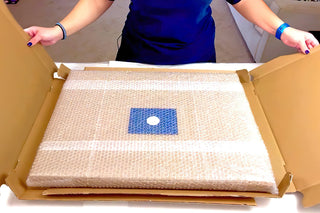
Your order has been confirmed and we are starting production
STEP 2 - SHIPPING
We ship your order. We send you an email to track the progress

STEP 3 - DELIVERY
You receive your order. You can also, according to your choice, be delivered to a relay point.
Matte finish
View from behind
Frame (optional)
Formes de la ville - Louis Lozowick – Captivating Introduction
In the vast panorama of modern art, the art print "Formes de la ville" by Louis Lozowick stands out as a vibrant testament to urban evolution. This piece, which captures the very essence of American metropolises in the 1930s, evokes a dynamic interplay between architecture, geometry, and human life. Through a palette of bold colors and stylized forms, Lozowick immerses us in a universe where movement and structure converge, inviting viewers to explore the multiple facets of city life. This art print, faithful to the original, allows for rediscovering this iconic work while offering a window into a time when urban planning became a subject of artistic reflection.
Style and uniqueness of the work
Lozowick's work is distinguished by its unique approach to the urban landscape. Unlike other artists of his time, he does not merely depict buildings or streets but focuses on capturing the energy emanating from the city. Angular lines and geometric shapes intertwine to create a visual rhythm that suggests the relentless movement of city dwellers. Shades of blue, red, and yellow harmonize to offer a vision that is both dynamic and poetic of urbanity. This style, blending realism and abstraction, allows Lozowick to transcend simple representation to create a piece that dialogues with its era while resonating with contemporary concerns about city life.
The artist and his influence
Louis Lozowick, born in 1892 in Ukraine, emigrated to the United States where he found fertile ground for his art. Influenced by the constructivist movement and modernist innovations, he skillfully integrated these elements into his own vision. His work is not limited to painting; he also excelled in engraving and illustration, demonstrating his versatility. Lozowick had a significant impact on his contemporaries and subsequent generations of artists, who saw in his work a source of inspiration for addressing similar themes. By exploring the relationship between man and his environment, he contributed to shaping
12,34 €