
Painting L'Enfant au tablier blanc - Henri-Edmond Cross | Art print


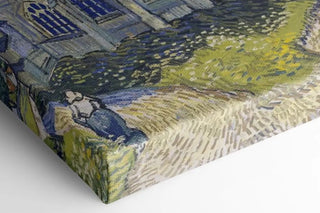
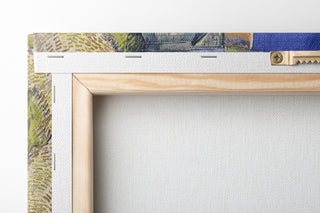
View from behind
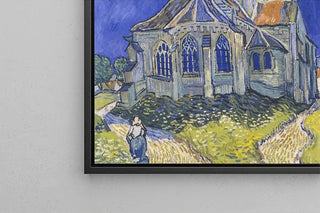
Frame (optional)
Captivating Introduction
In the fascinating universe of art, some works manage to capture the very essence of childhood, evoking memories of innocence and joy. "L'Enfant au tablier blanc" by Henri-Edmond Cross is one of these iconic pieces. Painted at the end of the 19th century, this artwork does not merely depict a child; it invites the viewer to immerse themselves in a world of light and vibrant colors, where each brushstroke reveals a deep emotion. The art print of this piece allows for appreciation not only of the artist's technique but also of how they manage to communicate a sense of serenity and happiness through the image of a child absorbed in their universe.
Style and uniqueness of the artwork
Henri-Edmond Cross's style is often associated with the Neo-Impressionist movement, and "L'Enfant au tablier blanc" is a perfect illustration of this. The artist uses distinct touches of color, carefully juxtaposed, to create a luminous and dynamic atmosphere. In this work, pastel tones blend harmoniously, producing a sensation of softness and lightness. The child, dressed in their white apron, appears to be the focal point of a composition that evokes both the simplicity of daily life and the beauty of the present moment. The way light reflects on surfaces and the delicate shadows demonstrate impressive technical mastery, while maintaining a certain naivety that touches the heart. This blend of technique and emotion makes this artwork a true masterpiece.
The artist and their influence
Henri-Edmond Cross, born in 1856, established himself in the art world thanks to his innovative approach and commitment to the Impressionist movement. Influenced by masters such as Claude Monet and Georges Seurat, Cross developed a unique style that combines technical rigor with poetic sensitivity. His work is characterized by a constant search for color and light, essential elements that define his aesthetic. By exploring themes such as nature, childhood, and daily life, he managed to capture fleeting moments
Painting L'Enfant au tablier blanc - Henri-Edmond Cross | Art print

-10% FROM €95 IN PURCHASES
-15% FROM €195 IN PURCHASES
Regular price
- Unit price
- per
Tax included.
Free shipping
€4.90 / Free shipping on orders over €39
Satisfied or Money Back
Free returns within 30 days
10-year warranty
Our prints are guaranteed for 10 years
Any questions? We are here!
by email to contact@artemlegrand.com
THE STEPS OF YOUR ORDER

STEP 1 - ORDER PLACED
Your order has been confirmed and we are starting production
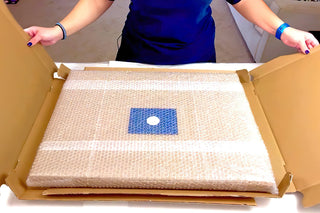
STEP 2 - SHIPPING
We ship your order. We send you an email to track the progress

STEP 3 - DELIVERY
You receive your order. You can also, according to your choice, be delivered to a relay point.
Matte finish
View from behind
Frame (optional)
Captivating Introduction
In the fascinating universe of art, some works manage to capture the very essence of childhood, evoking memories of innocence and joy. "L'Enfant au tablier blanc" by Henri-Edmond Cross is one of these iconic pieces. Painted at the end of the 19th century, this artwork does not merely depict a child; it invites the viewer to immerse themselves in a world of light and vibrant colors, where each brushstroke reveals a deep emotion. The art print of this piece allows for appreciation not only of the artist's technique but also of how they manage to communicate a sense of serenity and happiness through the image of a child absorbed in their universe.
Style and uniqueness of the artwork
Henri-Edmond Cross's style is often associated with the Neo-Impressionist movement, and "L'Enfant au tablier blanc" is a perfect illustration of this. The artist uses distinct touches of color, carefully juxtaposed, to create a luminous and dynamic atmosphere. In this work, pastel tones blend harmoniously, producing a sensation of softness and lightness. The child, dressed in their white apron, appears to be the focal point of a composition that evokes both the simplicity of daily life and the beauty of the present moment. The way light reflects on surfaces and the delicate shadows demonstrate impressive technical mastery, while maintaining a certain naivety that touches the heart. This blend of technique and emotion makes this artwork a true masterpiece.
The artist and their influence
Henri-Edmond Cross, born in 1856, established himself in the art world thanks to his innovative approach and commitment to the Impressionist movement. Influenced by masters such as Claude Monet and Georges Seurat, Cross developed a unique style that combines technical rigor with poetic sensitivity. His work is characterized by a constant search for color and light, essential elements that define his aesthetic. By exploring themes such as nature, childhood, and daily life, he managed to capture fleeting moments
12,34 €