
Painting Man Cactus - Julio González | Art print


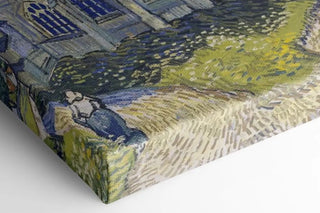
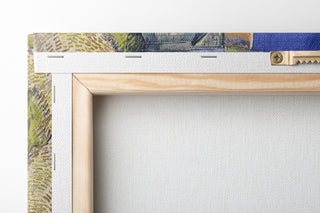
View from behind
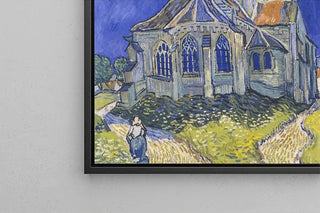
Frame (optional)
Julio González's "Homme Cactus" art print is an iconic piece that invites deep reflection on the human condition through the lens of modern art. Created in the early 20th century, this sculpture embodies a dialogue between form and emptiness, the human body and nature. It evokes universal themes such as solitude, anxiety, and the search for identity, while fitting into a rapidly evolving artistic context. Contemplating this work transports the viewer into a world where matter and spirit intertwine, creating a visual and emotional experience of rare intensity.
Style and uniqueness of the art print
The aesthetic of "Homme Cactus" is characterized by bold use of organic and geometric shapes, typical of González's work. The sculpture, made of iron, features sinuous lines that evoke both fragility and strength. The spines that adorn the cactus-man silhouette symbolize the defenses that individuals put in place against a often hostile external world. This duality between vulnerability and resilience is at the heart of the art print, offering a rich and nuanced interpretation. The raw texture of the metal, far from being smooth and polished, reinforces this impression of struggle between man and his environment, while the play of light on the surface of the sculpture creates fascinating shadows, adding an almost mystical dimension to the whole.
The artist and his influence
Julio González, a sculptor and painter of Spanish origin, is a major figure in modern art. Evolving in the wake of the avant-gardes of the early 20th century, he mastered blending cubist and surrealist influences to forge a unique style. His encounter with Pablo Picasso was decisive, not only artistically but also personally. Together, they explored the potential of metal, redefining sculpture conventions. González was also a pioneer in using light as a fundamental element of the work, transforming the perception of sculptures by integrating their environment. His legacy is reflected in the works of many contemporary artists, demonstrating his lasting impact on the
Painting Man Cactus - Julio González | Art print

-10% FROM €95 IN PURCHASES
-15% FROM €195 IN PURCHASES
Regular price
- Unit price
- per
Tax included.
Free shipping
€4.90 / Free shipping on orders over €39
Satisfied or Money Back
Free returns within 30 days
10-year warranty
Our prints are guaranteed for 10 years
Any questions? We are here!
by email to contact@artemlegrand.com
THE STEPS OF YOUR ORDER

STEP 1 - ORDER PLACED
Your order has been confirmed and we are starting production
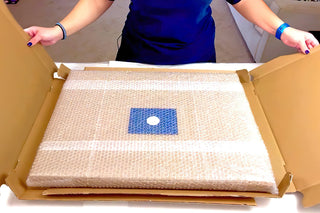
STEP 2 - SHIPPING
We ship your order. We send you an email to track the progress

STEP 3 - DELIVERY
You receive your order. You can also, according to your choice, be delivered to a relay point.
Matte finish
View from behind
Frame (optional)
Julio González's "Homme Cactus" art print is an iconic piece that invites deep reflection on the human condition through the lens of modern art. Created in the early 20th century, this sculpture embodies a dialogue between form and emptiness, the human body and nature. It evokes universal themes such as solitude, anxiety, and the search for identity, while fitting into a rapidly evolving artistic context. Contemplating this work transports the viewer into a world where matter and spirit intertwine, creating a visual and emotional experience of rare intensity.
Style and uniqueness of the art print
The aesthetic of "Homme Cactus" is characterized by bold use of organic and geometric shapes, typical of González's work. The sculpture, made of iron, features sinuous lines that evoke both fragility and strength. The spines that adorn the cactus-man silhouette symbolize the defenses that individuals put in place against a often hostile external world. This duality between vulnerability and resilience is at the heart of the art print, offering a rich and nuanced interpretation. The raw texture of the metal, far from being smooth and polished, reinforces this impression of struggle between man and his environment, while the play of light on the surface of the sculpture creates fascinating shadows, adding an almost mystical dimension to the whole.
The artist and his influence
Julio González, a sculptor and painter of Spanish origin, is a major figure in modern art. Evolving in the wake of the avant-gardes of the early 20th century, he mastered blending cubist and surrealist influences to forge a unique style. His encounter with Pablo Picasso was decisive, not only artistically but also personally. Together, they explored the potential of metal, redefining sculpture conventions. González was also a pioneer in using light as a fundamental element of the work, transforming the perception of sculptures by integrating their environment. His legacy is reflected in the works of many contemporary artists, demonstrating his lasting impact on the
12,34 €