
Art print Butterflies and Moths Butterflies - Anselmus Botius de Boodt | Art print


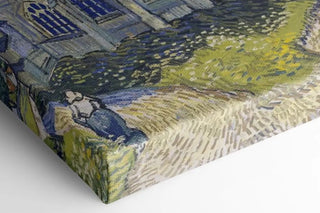
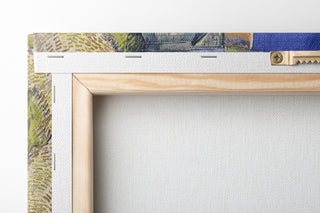
View from behind
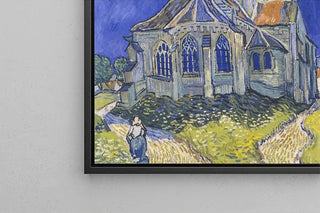
Frame (optional)
Reproduction Papillons et mites Papillons - Anselmus Botius de Boodt – Engaging Introduction
The artwork "Papillons et mites Papillons" by Anselmus Botius de Boodt is a true ode to the delicate beauty of nature. This iconic piece, distinguished by its finesse and attention to detail, immerses us in a universe where each insect becomes a work of art in its own right. The artist, capturing the lightness and delicacy of butterflies and mites, invites us to reflect on the fleeting nature of life and the ephemeral splendor of these creatures. This painting, both scientific and poetic, bears witness to an era when the observation of nature was at the heart of artistic and intellectual pursuits.
Style and uniqueness of the work
Anselmus Botius de Boodt's style is characterized by striking realism, evident in every detail of his work. The precision of forms, the richness of colors, and the meticulous textures make "Papillons et mites Papillons" a centerpiece of the naturalist genre. Each butterfly, with its wings spread, seems to come alive under the artist's brush, while the mites, more discreet, add a layer of mystery to the composition. This duality between light and shadow, between the visible and the invisible, is a distinctive trait of Boodt's work. Using chiaroscuro techniques, he manages to create an almost magical atmosphere, where the viewer is invited to approach and admire the details that escape a first glance.
The artist and his influence
Anselmus Botius de Boodt, a 17th-century Flemish naturalist and painter, mastered the art and science in a way that is uniquely his own. His interest in entomology and botany is reflected in his works, where he depicts insects and plants with precision. Boodt was influenced by the great masters of his time, but he also developed a unique style that left a lasting mark in the art world. His work inspired many contemporary and later artists, who saw in him a pioneer of scientific observation through the pr
Art print Butterflies and Moths Butterflies - Anselmus Botius de Boodt | Art print

-10% FROM €95 IN PURCHASES
-15% FROM €195 IN PURCHASES
Regular price
- Unit price
- per
Free shipping
€4.90 / Free shipping on orders over €39
Satisfied or Money Back
Free returns within 30 days
10-year warranty
Our prints are guaranteed for 10 years
Any questions? We are here!
by email to contact@artemlegrand.com
THE STEPS OF YOUR ORDER

STEP 1 - ORDER PLACED
Your order has been confirmed and we are starting production
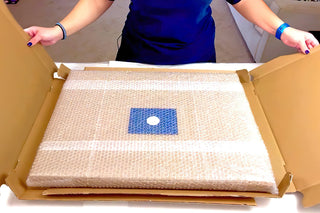
STEP 2 - SHIPPING
We ship your order. We send you an email to track the progress

STEP 3 - DELIVERY
You receive your order. You can also, according to your choice, be delivered to a relay point.
Matte finish
View from behind
Frame (optional)
Reproduction Papillons et mites Papillons - Anselmus Botius de Boodt – Engaging Introduction
The artwork "Papillons et mites Papillons" by Anselmus Botius de Boodt is a true ode to the delicate beauty of nature. This iconic piece, distinguished by its finesse and attention to detail, immerses us in a universe where each insect becomes a work of art in its own right. The artist, capturing the lightness and delicacy of butterflies and mites, invites us to reflect on the fleeting nature of life and the ephemeral splendor of these creatures. This painting, both scientific and poetic, bears witness to an era when the observation of nature was at the heart of artistic and intellectual pursuits.
Style and uniqueness of the work
Anselmus Botius de Boodt's style is characterized by striking realism, evident in every detail of his work. The precision of forms, the richness of colors, and the meticulous textures make "Papillons et mites Papillons" a centerpiece of the naturalist genre. Each butterfly, with its wings spread, seems to come alive under the artist's brush, while the mites, more discreet, add a layer of mystery to the composition. This duality between light and shadow, between the visible and the invisible, is a distinctive trait of Boodt's work. Using chiaroscuro techniques, he manages to create an almost magical atmosphere, where the viewer is invited to approach and admire the details that escape a first glance.
The artist and his influence
Anselmus Botius de Boodt, a 17th-century Flemish naturalist and painter, mastered the art and science in a way that is uniquely his own. His interest in entomology and botany is reflected in his works, where he depicts insects and plants with precision. Boodt was influenced by the great masters of his time, but he also developed a unique style that left a lasting mark in the art world. His work inspired many contemporary and later artists, who saw in him a pioneer of scientific observation through the pr