
Painting An Old Woman - Gerard van Honthorst | Art print


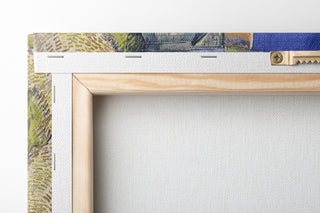
View from behind
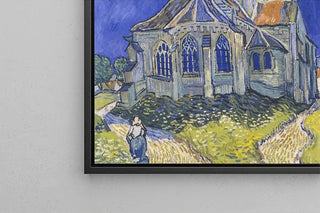
Frame (optional)
In the vast panorama of art history, certain works transcend time and capture the very essence of humanity. "Une vieille femme" by Gerard van Honthorst is one of those creations that transports us to a world where light and shadow intertwine to reveal the depth of human emotions. This painting, created in the early 17th century, embodies not only the exceptional talent of the artist but also an era where chiaroscuro played a predominant role in European art. By contemplating this piece, the viewer is invited to explore the hidden stories behind the wrinkled face of the protagonist, to question her past, her joys, and her sorrows.
Style and uniqueness of the work
van Honthorst's style is inseparable from the Baroque movement, characterized by its ability to play with light dramatically. In "Une vieille femme," the artist uses chiaroscuro to emphasize the features of the central figure. The soft light illuminating her face contrasts with the shadows enveloping the rest of the composition, creating an intimate and emotional atmosphere. The meticulous details, such as the wrinkles marking her forehead and the calloused hands, testify to attentive observation of reality. This realistic approach, combined with an almost poetic sensitivity, allows the work to transcend a simple portrait and become a true study of character. The psychological depth emanating from this old woman invites reflection on the passage of time and the wisdom that comes with it.
The artist and his influence
Gerard van Honthorst, born in Utrecht in 1590, is an emblematic figure of Dutch Baroque. Raised in an artistic environment, he was influenced by masters such as Caravaggio, whose treatment of light profoundly shaped his style. van Honthorst developed a unique approach, blending realism and expressiveness. His work is not limited to portraits; he also explored religious and mythological themes, adding a touch of humanity to subjects often considered abstract. Beyond his own work, his influence extended to many contemporary and future artists, contributing to
Painting An Old Woman - Gerard van Honthorst | Art print

-10% FROM €95 IN PURCHASES
-15% FROM €195 IN PURCHASES
Regular price
- Unit price
- per
Tax included.
Free shipping
€4.90 / Free shipping on orders over €39
Satisfied or Money Back
Free returns within 30 days
10-year warranty
Our prints are guaranteed for 10 years
Any questions? We are here!
by email to contact@artemlegrand.com
THE STEPS OF YOUR ORDER

STEP 1 - ORDER PLACED
Your order has been confirmed and we are starting production
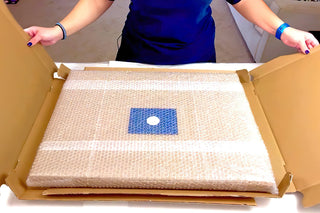
STEP 2 - SHIPPING
We ship your order. We send you an email to track the progress

STEP 3 - DELIVERY
You receive your order. You can also, according to your choice, be delivered to a relay point.
Matte finish
View from behind
Frame (optional)
In the vast panorama of art history, certain works transcend time and capture the very essence of humanity. "Une vieille femme" by Gerard van Honthorst is one of those creations that transports us to a world where light and shadow intertwine to reveal the depth of human emotions. This painting, created in the early 17th century, embodies not only the exceptional talent of the artist but also an era where chiaroscuro played a predominant role in European art. By contemplating this piece, the viewer is invited to explore the hidden stories behind the wrinkled face of the protagonist, to question her past, her joys, and her sorrows.
Style and uniqueness of the work
van Honthorst's style is inseparable from the Baroque movement, characterized by its ability to play with light dramatically. In "Une vieille femme," the artist uses chiaroscuro to emphasize the features of the central figure. The soft light illuminating her face contrasts with the shadows enveloping the rest of the composition, creating an intimate and emotional atmosphere. The meticulous details, such as the wrinkles marking her forehead and the calloused hands, testify to attentive observation of reality. This realistic approach, combined with an almost poetic sensitivity, allows the work to transcend a simple portrait and become a true study of character. The psychological depth emanating from this old woman invites reflection on the passage of time and the wisdom that comes with it.
The artist and his influence
Gerard van Honthorst, born in Utrecht in 1590, is an emblematic figure of Dutch Baroque. Raised in an artistic environment, he was influenced by masters such as Caravaggio, whose treatment of light profoundly shaped his style. van Honthorst developed a unique approach, blending realism and expressiveness. His work is not limited to portraits; he also explored religious and mythological themes, adding a touch of humanity to subjects often considered abstract. Beyond his own work, his influence extended to many contemporary and future artists, contributing to
12,34 €