
Painting L'Aloès - Robert John Thornton | Art print


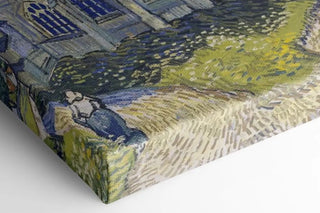
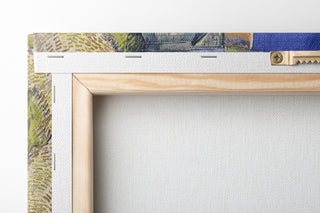
View from behind
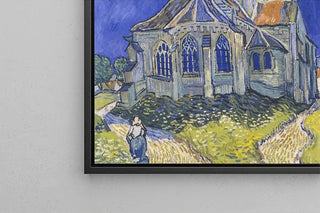
Frame (optional)
Reproduction of L'Aloès - Robert John Thornton – Captivating introduction
The artwork "L'Aloès" by Robert John Thornton is a true ode to nature, a visual exploration that transcends the simple scope of botany to become a unique aesthetic experience. Painted in the 18th century, this iconic piece bears witness to an era when art and science intertwined to celebrate the beauty of flora. Through its meticulous details and harmonious composition, Thornton invites the viewer to immerse themselves in a universe where each leaf, each petal seems to vibrate with its own life. The "art print L'Aloès - Robert John Thornton" allows rediscovery of this masterful work, offering art enthusiasts a chance to delve into the richness of its colors and symbolism.
Style and uniqueness of the work
The style of "L'Aloès" is characterized by botanical precision that borders on hyperrealism, while maintaining an artistic dimension that gives it an almost magical aura. Thornton, a true virtuoso, manages to capture the rough texture of aloe leaves while playing with light to reveal their depth. The green and golden hues intertwine elegantly, creating a striking contrast that draws the eye and stimulates the imagination. Every detail of the work is the result of careful observation, demonstrating a passion for nature and a desire to depict it in all its splendor. This attention to detail, combined with a balanced composition, makes "L'Aloès" a piece that does not merely depict a plant but elevates the subject to the level of art.
The artist and his influence
Robert John Thornton, botanist and artist, is a prominent figure of the 18th century, whose work had a significant impact on the representation of plants in art. His innovative approach established a new standard for botanical illustrations, blending scientific rigor with artistic sensitivity. Thornton surrounded himself with the best experts of his time, which allowed him to enrich his vision and refine his style. His work inspired many artists and scientists, contributing to the emergence of a new way of understanding nature. Through "L'A
Painting L'Aloès - Robert John Thornton | Art print

-10% FROM €95 IN PURCHASES
-15% FROM €195 IN PURCHASES
Regular price
- Unit price
- per
Tax included.
Free shipping
€4.90 / Free shipping on orders over €39
Satisfied or Money Back
Free returns within 30 days
10-year warranty
Our prints are guaranteed for 10 years
Any questions? We are here!
by email to contact@artemlegrand.com
THE STEPS OF YOUR ORDER

STEP 1 - ORDER PLACED
Your order has been confirmed and we are starting production
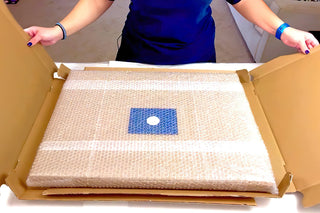
STEP 2 - SHIPPING
We ship your order. We send you an email to track the progress

STEP 3 - DELIVERY
You receive your order. You can also, according to your choice, be delivered to a relay point.
Matte finish
View from behind
Frame (optional)
Reproduction of L'Aloès - Robert John Thornton – Captivating introduction
The artwork "L'Aloès" by Robert John Thornton is a true ode to nature, a visual exploration that transcends the simple scope of botany to become a unique aesthetic experience. Painted in the 18th century, this iconic piece bears witness to an era when art and science intertwined to celebrate the beauty of flora. Through its meticulous details and harmonious composition, Thornton invites the viewer to immerse themselves in a universe where each leaf, each petal seems to vibrate with its own life. The "art print L'Aloès - Robert John Thornton" allows rediscovery of this masterful work, offering art enthusiasts a chance to delve into the richness of its colors and symbolism.
Style and uniqueness of the work
The style of "L'Aloès" is characterized by botanical precision that borders on hyperrealism, while maintaining an artistic dimension that gives it an almost magical aura. Thornton, a true virtuoso, manages to capture the rough texture of aloe leaves while playing with light to reveal their depth. The green and golden hues intertwine elegantly, creating a striking contrast that draws the eye and stimulates the imagination. Every detail of the work is the result of careful observation, demonstrating a passion for nature and a desire to depict it in all its splendor. This attention to detail, combined with a balanced composition, makes "L'Aloès" a piece that does not merely depict a plant but elevates the subject to the level of art.
The artist and his influence
Robert John Thornton, botanist and artist, is a prominent figure of the 18th century, whose work had a significant impact on the representation of plants in art. His innovative approach established a new standard for botanical illustrations, blending scientific rigor with artistic sensitivity. Thornton surrounded himself with the best experts of his time, which allowed him to enrich his vision and refine his style. His work inspired many artists and scientists, contributing to the emergence of a new way of understanding nature. Through "L'A
12,34 €