
Painting Siege of Alkmaar September 18, 1573 Spanish troops storm the city - Herman Frederik Carel Ten Kate


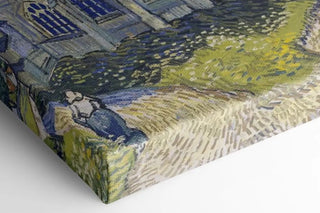
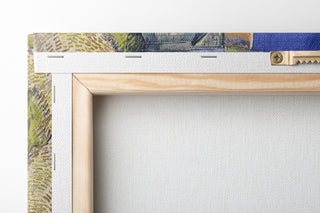
View from behind
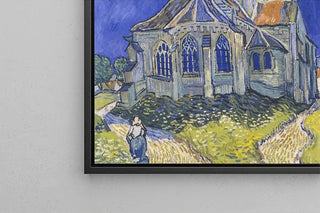
Frame (optional)
In the tumult of battles that marked the 16th century, the work "Siege of Alkmaar" by Herman Frederik Carel Ten Kate emerges as a poignant testament to resistance and human bravery. On this day, September 18, 1573, the city of Alkmaar, besieged by Spanish troops, becomes the stage for an emblematic confrontation. The painting, through its meticulous details and narrative dynamism, transports the viewer to the heart of this historic moment, revealing not only the violence of the conflict but also the determination of the city's defenders. This art print, through its evocative power, invites reflection on the stakes of war and the sacrifices it entails.
Style and uniqueness of the work
Ten Kate's work stands out for its striking realism and its ability to capture the intensity of a decisive moment. Each character, from the officer in full action to civilians in the background, is rendered with precision that demonstrates a deep respect for historical truth. Vibrant colors and striking contrasts accentuate the dramatic tension, while the dynamic composition guides the viewer's gaze across the painting. The architectural details of Alkmaar's buildings, as well as the expressions of the soldiers, add an almost cinematic dimension to the scene. This style, both narrative and immersive, allows the work to transcend a simple record of an event to become a true emotional experience.
The artist and his influence
Herman Frederik Carel Ten Kate, a 19th-century Dutch artist, is often associated with an artistic movement that values historicism and realism. His training and career led him to focus on significant events in Dutch history, particularly those related to the Eighty Years' War. By focusing on historical subjects, Ten Kate was able to combine his talent as a painter with a desire to celebrate national identity. His influence is evident in the way he paid homage to crucial episodes of history, while inspiring other artists.
Painting Siege of Alkmaar September 18, 1573 Spanish troops storm the city - Herman Frederik Carel Ten Kate

-10% FROM €95 IN PURCHASES
-15% FROM €195 IN PURCHASES
Regular price
- Unit price
- per
Tax included.
Free shipping
€4.90 / Free shipping on orders over €39
Satisfied or Money Back
Free returns within 30 days
10-year warranty
Our prints are guaranteed for 10 years
Any questions? We are here!
by email to contact@artemlegrand.com
THE STEPS OF YOUR ORDER

STEP 1 - ORDER PLACED
Your order has been confirmed and we are starting production
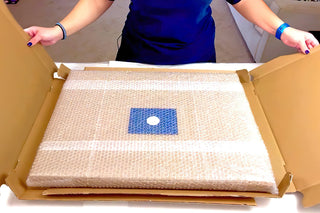
STEP 2 - SHIPPING
We ship your order. We send you an email to track the progress

STEP 3 - DELIVERY
You receive your order. You can also, according to your choice, be delivered to a relay point.
Matte finish
View from behind
Frame (optional)
In the tumult of battles that marked the 16th century, the work "Siege of Alkmaar" by Herman Frederik Carel Ten Kate emerges as a poignant testament to resistance and human bravery. On this day, September 18, 1573, the city of Alkmaar, besieged by Spanish troops, becomes the stage for an emblematic confrontation. The painting, through its meticulous details and narrative dynamism, transports the viewer to the heart of this historic moment, revealing not only the violence of the conflict but also the determination of the city's defenders. This art print, through its evocative power, invites reflection on the stakes of war and the sacrifices it entails.
Style and uniqueness of the work
Ten Kate's work stands out for its striking realism and its ability to capture the intensity of a decisive moment. Each character, from the officer in full action to civilians in the background, is rendered with precision that demonstrates a deep respect for historical truth. Vibrant colors and striking contrasts accentuate the dramatic tension, while the dynamic composition guides the viewer's gaze across the painting. The architectural details of Alkmaar's buildings, as well as the expressions of the soldiers, add an almost cinematic dimension to the scene. This style, both narrative and immersive, allows the work to transcend a simple record of an event to become a true emotional experience.
The artist and his influence
Herman Frederik Carel Ten Kate, a 19th-century Dutch artist, is often associated with an artistic movement that values historicism and realism. His training and career led him to focus on significant events in Dutch history, particularly those related to the Eighty Years' War. By focusing on historical subjects, Ten Kate was able to combine his talent as a painter with a desire to celebrate national identity. His influence is evident in the way he paid homage to crucial episodes of history, while inspiring other artists.
12,34 €