
Publicity painting for the wheat cream « A visit to the chef » - Susan E. Arthurs


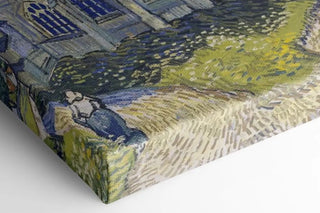
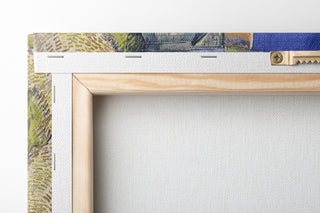
View from behind
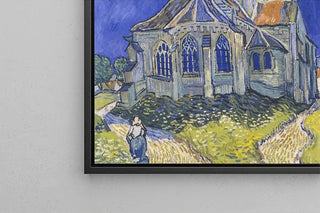
Frame (optional)
In the vast panorama of 20th-century American art, the work of Susan E. Arthurs, titled "Advertising for Cream of Wheat « A Visit to the Chef »", stands out for its innovative approach and its ability to capture the essence of an era. This piece, which skillfully blends advertising with art, invites the viewer to immerse themselves in a universe where gastronomy and aesthetics intersect. Through this work, Arthurs does not merely promote a product; she evokes a way of life, a culinary culture in full transformation, while aligning with the broader movement of American graphic art. The piece is a visual celebration that transcends the simple commercial message to become a true work of art in its own right.
Style and uniqueness of the work
Susan E. Arthurs' style in this piece is a harmonious fusion of illustration and photography, characteristic of the 1920s. The composition is carefully crafted, highlighting a kitchen scene where elements are arranged to create a captivating visual balance. The colors, vibrant and warm, evoke a convivial and welcoming atmosphere, while the meticulous details of the dishes and ingredients emphasize the importance of culinary preparation. Arthurs uses flowing lines and organic shapes that bring the scene to life, making each element almost tangible. This stylistic approach, both realistic and stylized, invites the viewer to emotionally engage, to smell the prepared dishes, and to share an intimate moment around the table. The way she integrates the text into the image, with elegant typography, enhances the visual and narrative impact of the work, transforming a simple advertisement into a vibrant scene of life.
The artist and her influence
Susan E. Arthurs, an emblematic figure of American graphic design, managed to establish herself thanks to her unique vision and her ability to fuse art and commerce. Born in a time when advertising was gaining momentum, she understood that art could serve as a powerful vector of communication. Her influence is felt not
Publicity painting for the wheat cream « A visit to the chef » - Susan E. Arthurs

-10% FROM €95 IN PURCHASES
-15% FROM €195 IN PURCHASES
Regular price
- Unit price
- per
Tax included.
Free shipping
€4.90 / Free shipping on orders over €39
Satisfied or Money Back
Free returns within 30 days
10-year warranty
Our prints are guaranteed for 10 years
Any questions? We are here!
by email to contact@artemlegrand.com
THE STEPS OF YOUR ORDER

STEP 1 - ORDER PLACED
Your order has been confirmed and we are starting production
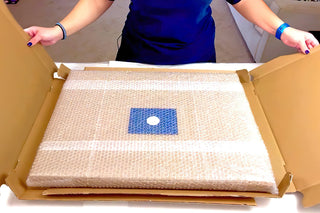
STEP 2 - SHIPPING
We ship your order. We send you an email to track the progress

STEP 3 - DELIVERY
You receive your order. You can also, according to your choice, be delivered to a relay point.
Matte finish
View from behind
Frame (optional)
In the vast panorama of 20th-century American art, the work of Susan E. Arthurs, titled "Advertising for Cream of Wheat « A Visit to the Chef »", stands out for its innovative approach and its ability to capture the essence of an era. This piece, which skillfully blends advertising with art, invites the viewer to immerse themselves in a universe where gastronomy and aesthetics intersect. Through this work, Arthurs does not merely promote a product; she evokes a way of life, a culinary culture in full transformation, while aligning with the broader movement of American graphic art. The piece is a visual celebration that transcends the simple commercial message to become a true work of art in its own right.
Style and uniqueness of the work
Susan E. Arthurs' style in this piece is a harmonious fusion of illustration and photography, characteristic of the 1920s. The composition is carefully crafted, highlighting a kitchen scene where elements are arranged to create a captivating visual balance. The colors, vibrant and warm, evoke a convivial and welcoming atmosphere, while the meticulous details of the dishes and ingredients emphasize the importance of culinary preparation. Arthurs uses flowing lines and organic shapes that bring the scene to life, making each element almost tangible. This stylistic approach, both realistic and stylized, invites the viewer to emotionally engage, to smell the prepared dishes, and to share an intimate moment around the table. The way she integrates the text into the image, with elegant typography, enhances the visual and narrative impact of the work, transforming a simple advertisement into a vibrant scene of life.
The artist and her influence
Susan E. Arthurs, an emblematic figure of American graphic design, managed to establish herself thanks to her unique vision and her ability to fuse art and commerce. Born in a time when advertising was gaining momentum, she understood that art could serve as a powerful vector of communication. Her influence is felt not
12,34 €