
Painting L'Adoration - Pieter Coecke van Aelst | Art print


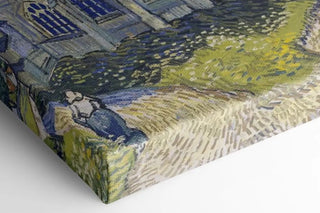
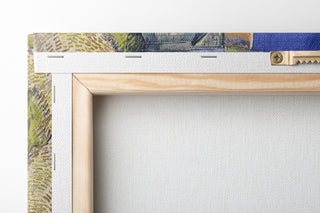
View from behind
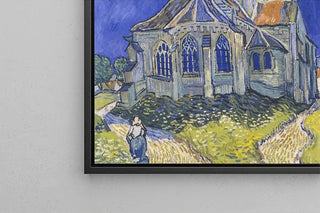
Frame (optional)
Pieter Coecke van Aelst’s "L'Adoration" art print is a masterpiece that transports viewers into a realm where spirituality and beauty converge. This painting, rich in detail and vibrant colors, evokes an atmosphere of intense devotion, inviting each observer to contemplate the sacred scene unfolding before their eyes. The depiction of the Magi’s adoration, imbued with symbolism, reflects a time when art served as a vessel for faith and reflection. The art print immerses us in a moment of grace, where every character, every gesture, is laden with meaning, making this composition a true masterpiece of Flemish Renaissance art.
Style and uniqueness of the art print
The style of Pieter Coecke van Aelst is characterized by exquisite craftsmanship and meticulous attention to detail. In "L'Adoration," the vibrant color palette and play of light add an almost tangible dimension to the scene. The drapery of the garments, carefully rendered, suggests movement and vitality that animate the figures. The composition, balanced and harmonious, guides the viewer’s gaze through the various elements of the art print, while emphasizing the interaction between the characters. Each face, each expression is carefully studied, revealing psychological depth that enriches the visual storytelling. This art print does not merely depict a religious moment; it invites deeper contemplation and a spiritual connection with the divine.
The artist and his influence
Pieter Coecke van Aelst, a 16th-century painter and draftsman, is an emblematic figure of Flemish Renaissance art. Trained in his father’s workshop and influenced by the great masters of his time, he developed a personal style that combines tradition and innovation. Coecke van Aelst also played a crucial role in spreading Flemish art across Europe, notably through his engravings and tapestries. His work has inspired many contemporary and later artists, and his influence is still felt in modern art. By depicting religious themes with such emotional intensity, he helped shape perceptions of spirituality.
Painting L'Adoration - Pieter Coecke van Aelst | Art print

-10% FROM €95 IN PURCHASES
-15% FROM €195 IN PURCHASES
Regular price
- Unit price
- per
Tax included.
Free shipping
€4.90 / Free shipping on orders over €39
Satisfied or Money Back
Free returns within 30 days
10-year warranty
Our prints are guaranteed for 10 years
Any questions? We are here!
by email to contact@artemlegrand.com
THE STEPS OF YOUR ORDER

STEP 1 - ORDER PLACED
Your order has been confirmed and we are starting production
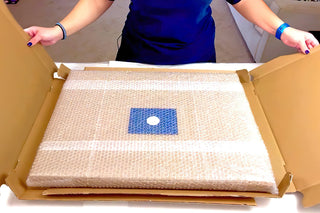
STEP 2 - SHIPPING
We ship your order. We send you an email to track the progress

STEP 3 - DELIVERY
You receive your order. You can also, according to your choice, be delivered to a relay point.
Matte finish
View from behind
Frame (optional)
Pieter Coecke van Aelst’s "L'Adoration" art print is a masterpiece that transports viewers into a realm where spirituality and beauty converge. This painting, rich in detail and vibrant colors, evokes an atmosphere of intense devotion, inviting each observer to contemplate the sacred scene unfolding before their eyes. The depiction of the Magi’s adoration, imbued with symbolism, reflects a time when art served as a vessel for faith and reflection. The art print immerses us in a moment of grace, where every character, every gesture, is laden with meaning, making this composition a true masterpiece of Flemish Renaissance art.
Style and uniqueness of the art print
The style of Pieter Coecke van Aelst is characterized by exquisite craftsmanship and meticulous attention to detail. In "L'Adoration," the vibrant color palette and play of light add an almost tangible dimension to the scene. The drapery of the garments, carefully rendered, suggests movement and vitality that animate the figures. The composition, balanced and harmonious, guides the viewer’s gaze through the various elements of the art print, while emphasizing the interaction between the characters. Each face, each expression is carefully studied, revealing psychological depth that enriches the visual storytelling. This art print does not merely depict a religious moment; it invites deeper contemplation and a spiritual connection with the divine.
The artist and his influence
Pieter Coecke van Aelst, a 16th-century painter and draftsman, is an emblematic figure of Flemish Renaissance art. Trained in his father’s workshop and influenced by the great masters of his time, he developed a personal style that combines tradition and innovation. Coecke van Aelst also played a crucial role in spreading Flemish art across Europe, notably through his engravings and tapestries. His work has inspired many contemporary and later artists, and his influence is still felt in modern art. By depicting religious themes with such emotional intensity, he helped shape perceptions of spirituality.
12,34 €